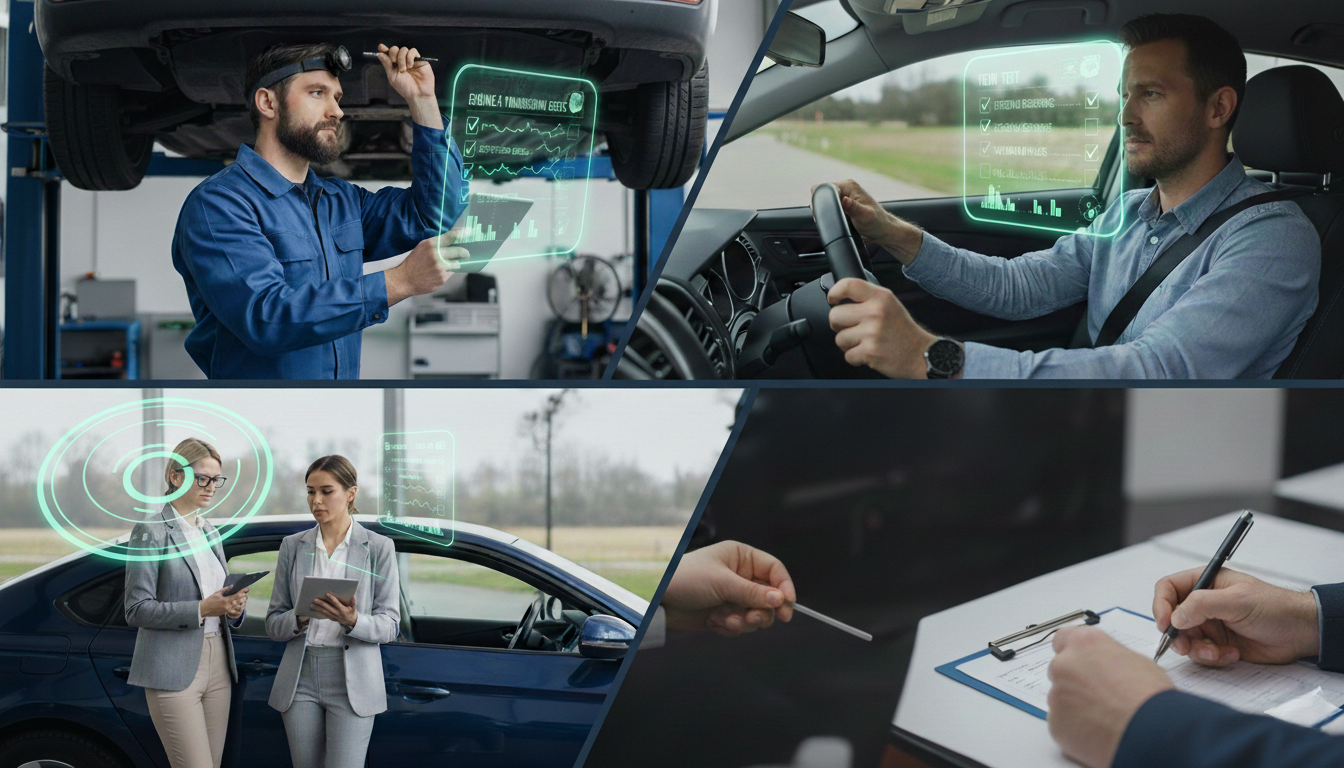
Buying a used car is a smart way to get value, but it comes with the responsibility of evaluating wear and tear before you sign. This smart buyer’s guide to evaluating vehicle wear and tear explains what to inspect, how to read a vehicle history report, and what to ask the seller so you know exactly what you’re getting. Whether you’re shopping for a used car from a dealership or buying from a private seller, due diligence and a thorough vehicle inspection will help you make a smart, confident purchasing decision.
What should an inspection cover when buying a used car?
An inspection when buying a used car should be comprehensive and follow a checklist that includes engine wear, transmission operation, brake condition, suspension, body panels, and fluid levels like transmission fluid and oil. A proper pre-purchase inspection or used car inspection evaluates both visible wear and tear and components that affect long-term value and repair costs. The goal is to identify red flags that could lead to expensive repairs down the road.
Key parts of the car to inspect include the odometer for mileage, service records to confirm regular oil changes and scheduled maintenance, and the vehicle identification number (VIN) to cross-check the vehicle history report. If you’re buying from a dealership, ask about certified pre-owned vehicles and their inspection checklist; if buying from a private seller, insist on a pre-purchase inspection from an independent mechanic to get peace of mind.
How much does mileage on the odometer matter for wear and tear?
Mileage is one of the most important indicators of potential wear and tear and should be weighed alongside service history and the vehicle’s age. High mileage on the odometer can indicate more engine wear, potential transmission stress, and greater likelihood of worn parts like brakes, power steering components, and suspension bushings. However, a well-maintained used vehicle with many miles and detailed service records can be a better buy than a low-mileage car with missing maintenance.
When evaluating mileage and age, consider the car’s intended use and long-term value. Lower mileage often means less wear and tear and higher resale value, but consistent oil changes, timely repairs, and a clean vehicle history report can offset higher mileage. Always compare mileage to the service history and ask the seller about previous long trips or commercial use, which can accelerate wear.
Why should I get a vehicle history report when shopping for a used car?
A vehicle history report is critical when shopping for a used car because it reveals the car’s past, including accidents, title issues, odometer discrepancies, and service history entries. This report helps you know what to look for in a used vehicle and whether a car passes basic checks for damage or inconsistent mileage on the odometer. Use the VIN to obtain a comprehensive vehicle history report before committing to a test drive or pre-purchase inspection.
While a vehicle history report doesn’t replace a hands-on inspection by a mechanic, it complements the inspection by highlighting red flags such as flood damage, salvage titles, or repeated repairs. If the report shows frequent repairs or major accidents, expect lower resale value and potentially higher repair costs down the road. Ask the seller to clarify any entries and request service records to corroborate the report’s findings.
How do service records and service history affect buying a used vehicle?
Service records and service history are proof of a vehicle’s maintenance and are among the most persuasive indicators of a well-maintained used vehicle. Detailed records that show regular oil changes, scheduled maintenance, and documented repairs reduce the uncertainty about engine wear, transmission health, and overall longevity. When a car has a full service history, buyers can trust that the vehicle received consistent care and is less likely to hide deferred maintenance issues.
When reviewing service history, look for patterns such as recurring issues or missed recommended services. Check for recent major repairs that may have reset the car’s reliability, and verify receipts for parts like brakes, tires, and timing belt replacements. A car with clear service records often offers peace of mind and better long-term value compared to a similar vehicle with no documentation.
What red flags should a mechanic look for during a pre-purchase inspection?
A mechanic conducting a pre-purchase inspection will check for red flags including leaks (oil, coolant, transmission fluid), excessive smoke from the exhaust, inconsistent transmission shifts, uneven tire wear, damaged body panels, and unusual noises from the engine or suspension. These warning signs can indicate deeper problems such as engine wear, transmission failure, or past accident repairs that may affect long-term reliability and resale value.
Other red flags to note during an inspection before buying a used car include mismatched paint on body panels (possible repairs after a collision), a spongy brake pedal or grinding brakes, electrical issues with advanced safety systems, and a mismatched VIN on parts. If the car exhibits multiple red flags, consider walking away or negotiating a lower price to cover potential repair costs.
How should I interpret leaks, fluid levels, and transmission fluid condition?
Leaking fluids are immediate indicators of potential repair needs. Check under the vehicle for fresh puddles and inspect fluid levels during the pre-purchase inspection. Engine oil should be clean and at the correct level; frequent oil changes documented in service records are a good sign. Transmission fluid color and smell also matter: a healthy transmission fluid is reddish and clean, while dark, burnt-smelling fluid can indicate transmission wear or impending failure.
Fluid levels and transmission fluid inspections are part of due diligence when buying a used car. Low or dirty fluids suggest neglect and possible costly repairs down the road. Ask the seller about recent oil changes, power steering service, and any transmission work. If unsure, have a trusted mechanic perform a full fluid inspection to avoid surprises after purchase.
What should I look for when I test drive a pre-owned vehicle?
A test drive is essential to evaluate how the car performs in real-world conditions and to detect issues a visual inspection might miss. When you drive the car, pay attention to how it starts, idles, accelerates, and shifts—any hesitation, clunking, or slipping in the transmission are red flags. Test the brakes for responsiveness and listen for grinding or squealing, and note if the steering feels tight or if there’s play indicating power steering or suspension issues.
During the test drive, try different driving conditions: city streets, highway speeds, and parking maneuvers. Check for unusual vibrations, alignment drift, and noises from wheel wells that could point to worn suspension parts or brakes. Also inspect interior details like floor mats, instrument cluster warnings, and the odometer reading to align with the vehicle history report and service records.
Is buying from a dealership safer than buying from a private seller?
Buying from a dealership can provide added protections such as dealer inspections, certified pre-owned options, financing, and sometimes limited warranties. Dealerships often maintain service history and may perform pre-purchase inspections to prepare every used vehicle for sale. For buyers who prefer more assurance and used car finance options, purchasing from a reputable used car dealership or car dealership can provide more structure and recourse than buying from a private seller.
However, buying from a private seller can yield better prices if you’re buying a used car with transparent service records and the car passes a pre-purchase inspection. Whether you’re buying from a dealership or buying from a private seller, prioritize a thorough inspection, a vehicle history report, and, when possible, a certified pre-owned vehicle that reduces the risk of hidden problems and ensures better peace of mind.
How do repair costs and long-term value affect my buying decision?
Repair costs and long-term value should heavily influence your purchasing decision. Estimate potential repairs based on the car’s age, mileage, and known issues. Parts of the car that commonly fail—transmission, brakes, power steering, timing belt—can be expensive to fix and should be factored into the total ownership cost. A car with documented, timely repairs and lower wear and tear typically yields less unexpected repair costs and better resale value.
Consider long-term value and resale value when comparing similar models. Vehicles with strong service history, lower mileage on the odometer, and fewer prior repairs are more desirable and retain value longer. A thorough inspection before buying a used vehicle uncovers likely repairs down the road and helps you negotiate a price that reflects the car’s condition and future expenses.
What questions should I ask the seller when buying a used car?
Asking the right questions helps you know exactly what you’re getting and spot inconsistencies. Key questions include: Can you provide service records? Has the vehicle had any major repairs or accidents? Why are you selling? How long have you owned the car? Has the car passed emissions and recent safety inspections? These questions help reveal the car’s past and whether the seller has been diligent in maintenance.
Also ask about specific items on your checklist: When were the oil changes done? Has the transmission been serviced? Are there known leaks or dashboard warnings? If buying from a dealership, inquire about warranty options, certified pre-owned status, and available used car finance. When buying from a private seller, request a pre-purchase inspection and verify the vehicle identification number on the title and vehicle to prevent title fraud or odometer tampering.
How can I negotiate a fair price based on wear and tear findings?
Use inspection findings, vehicle history report details, and estimated repair costs to negotiate a fair price. If the inspection uncovers issues like worn brakes, leaks, or pending transmission work, request a price reduction that covers immediate repairs and a reasonable buffer for unforeseen problems. Provide receipts or quotes from mechanics to support your offer and be prepared to walk away if the seller won’t negotiate on a car with significant red flags.
When negotiating, consider the car’s long-term value and resale prospects. A well-documented, well-maintained car commands a higher price, while a vehicle with repair needs should be priced lower to reflect those costs. Whether you’re buying from a dealership or a private seller, smart buyers use inspection results and service history to make a rational purchasing decision.
What are the benefits of certified pre-owned vehicles versus every used vehicle?
Certified pre-owned vehicles often come with a dealer-backed inspection, extended warranty, and a documented service history, which can provide extra peace of mind compared to every used vehicle. Certified programs typically include multi-point inspections, reconditioning, and sometimes vehicle history guarantees that reduce the risk of hidden problems. For buyers prioritizing lower risk and used car finance options, certified cars can be an attractive choice.
However, certified pre-owned vehicles often cost more up front. If you’re comfortable performing due diligence—order a vehicle history report, schedule a pre-purchase inspection, and verify service records—you can find excellent value buying from a private seller or a used car dealership that offers inspected but non-certified vehicles. The key is making sure the car passes a thorough inspection and aligns with your budget and long-term needs.
Conclusion
The smart buyer’s guide to evaluating vehicle wear and tear equips car buyers with the checklist, questions, and strategies needed to make an informed decision. From ordering a vehicle history report and verifying service records to performing a pre-purchase inspection and test driving the car, each step reduces risk and clarifies the true condition of the car you’re buying. Pay attention to mileage, leaks, transmission and engine condition, and documented repairs to understand repair costs and long-term value.
Whether you’re buying a used vehicle from a private seller or purchasing from a dealership, due diligence—inspection before buying a used vehicle, checking the odometer, and asking the seller for receipts—gives you peace of mind and helps you know what to look for. For buyers in Newberry, consider trusted local options like Auto-Source of Newberry, a Used Car Dealership in Newberry, SC, which offers a range of used cars for sale and assistance with used car finance. With the right checks and a careful inspection, you can make a smart buying decision and enjoy the benefits of a reliable pre-owned vehicle.
Car financing is an essential aspect of the car buying journey that can significantly impact your overall experience and satisfaction. Whether you’re eyeing a new vehicle or looking for used cars for sale, understanding your financing options is crucial. Smooth rides ahead are not just about the car you choose but also about how you finance it. This blog post will guide you through the various auto loan options available, ensuring that every driver finds the right financing plan for their needs.

What Are the Different Car Financing Options Available?
When it comes to car financing, there are multiple options to consider, including dealer financing, credit union financing, and traditional bank loans. Each option has its own advantages:
- Dealer Financing: This option is convenient as dealerships often offer in-house financing. However, it’s essential to compare interest rates and terms.
- Credit Union Financing: Generally provides lower interest rates and more favorable loan terms for members, making it a great choice for many buyers.
- Bank Loans: Traditional auto loans from banks may offer competitive rates, especially for customers with good credit scores.
Understanding these financing options is the first step in securing a car loan that fits your budget and needs.
How Does Your Credit Score Affect Car Financing?
Your credit score plays a pivotal role in your ability to secure a favorable car loan. Lenders use this score to determine your creditworthiness, influencing the interest rates and terms of your loan.
Here’s how your credit score can affect financing:
- Good Credit: If you have a good credit score, you’ll likely qualify for better loan rates and terms, making your monthly payments more manageable.
- Poor Credit: A lower credit score may result in higher interest rates, potentially increasing your monthly payment significantly.
Improving your credit score before applying for a car loan can help you secure better financing terms.
What Should You Know About Interest Rates?
Interest rates are a critical component of car financing that directly affects your overall cost of the loan. Here’s what you should consider:
- Fixed vs. Variable Rates: Fixed rates remain constant throughout the loan term, while variable rates can fluctuate. Recognizing these distinctions can guide you toward a well-informed choice.
- Current Market Rates: Stay updated on the current market interest rates as they can change frequently and affect your loan options.
Utilizing a car loan calculator can help you estimate your monthly payments based on different interest rates and loan amounts.
How Can You Determine the Right Loan Term for Your Auto Loan?
The loan term is the duration over which you agree to repay your auto loan. Typical loan terms span anywhere from 36 to 72 months. Here’s how to find the right loan term:
- Monthly Payment: A longer loan term typically results in lower monthly payments, but it may also lead to paying more in interest over time.
- Pay Off Your Loan: Consider how quickly you want to pay off your loan. If you prefer to own your car outright sooner, a shorter term may be more suitable.
Using a car loan calculator can help you visualize different terms and their impact on your finances.
What Are the Key Steps in the Car Financing Process?
The car financing process involves several key steps that can help streamline your experience:
- Assess Your Budget: Determine how much you can afford for a down payment and monthly payments.
- Check Your Credit Report: Review your credit report to identify any discrepancies that need addressing.
- Shop for Financing: Compare different financing options from various lenders, including dealerships and credit unions.
Following these steps can simplify the financing process and help you secure the best loan for your next car.
How Can You Use a Car Loan Calculator to Your Advantage?
A car loan calculator is a valuable tool that helps you estimate your monthly payments based on the loan amount, interest rate, and term. Here’s how to use it effectively:
- Input Loan Amount: Start by entering the total amount you wish to finance, whether for a new or used car.
- Estimate Interest Rate: Use current market rates or your pre-approved rate to get a realistic estimate.
- Adjust Loan Term: Play around with different terms to see how they affect your monthly payment.
This tool can help you find a financing plan that fits your budget and ensures you get the car you love.
What to Consider When Buying a Used Car?
Buying a used car can be a cost-effective solution, but there are specific factors to consider:
- Vehicle History: Always obtain a vehicle history report to check for accidents or title issues.
- Inspection: Have a trusted mechanic inspect the car before finalizing your purchase.
Additionally, used car financing options may vary, so it’s essential to explore different financing solutions available for pre-owned vehicles.
Are There Special Financing Programs for Used Cars?
Many dealerships offer special financing programs tailored for used cars. These programs may include:
- In-House Financing: Some dealerships provide in-house financing solutions that can be beneficial if you have poor credit.
- Promotional Rates: Look for dealerships that offer promotional interest rates or incentives for financing a used car.
Researching these options can help you secure a used car loan that meets your financial needs.
How Can You Improve Your Credit Score Before Financing?
Improving your credit score can significantly enhance your car financing options. Here are some strategies:
- Pay Bills on Time: Timely payments can positively impact your credit history.
- Reduce Debt: Lowering your overall debt can improve your credit utilization ratio, boosting your score.
Taking these steps before applying for a car loan can lead to better rates and terms.
What Should You Know About Car Insurance When Financing a Car?
Car insurance is a crucial aspect of car ownership, especially when financing a vehicle. Here’s what to keep in mind:
- Required Coverage: Lenders often require specific coverage types, such as collision and comprehensive insurance.
- Shop for Rates: Compare different insurance providers to find the best rates that fit your budget.
Understanding your insurance requirements is essential to protect your investment and ensure compliance with your financing agreement.
Where Can You Find the Right Used Car Dealership?
Finding the right used car dealership is essential for a smooth car buying experience. Look for dealerships with positive reviews, good customer service, and a wide selection of vehicles. Auto-Source of Newberry, a reputable used car dealership in Newberry, SC, offers a variety of used cars for sale along with helpful financing solutions. Their experienced team can help you find the perfect car and guide you through the used car financing process, ensuring you secure a car loan that meets your needs.
In conclusion, understanding car financing is crucial for every driver, whether you’re looking for a new car or a reliable used vehicle. By exploring different financing options, understanding your credit score, and utilizing tools like loan calculators, you can navigate the car buying process confidently. Remember, a smooth ride ahead begins with the right financing choices.
Frequently Asked Questions
1. What types of car financing options are available?
There are several options including traditional loans, lease agreements, and financing through dealerships. Each has its own benefits and terms.
2. How do I determine my eligibility for car financing?
Your eligibility typically depends on factors like your credit score, income level, and existing debt. Lenders assess these factors to determine your loan terms.
3. Can I get financing with bad credit?
Yes, many lenders offer financing options for individuals with bad credit, though the terms may vary and interest rates might be higher.
4. What do I need to apply for car financing?
You generally need to provide personal identification, proof of income, credit history, and information about the vehicle you wish to purchase.
5. How can I improve my chances of getting approved for financing?
Improving your credit score, reducing existing debt, and having a stable income can increase your chances of getting approved for car financing.
Buying a used car is an important decision for many car buyers, offering a variety of options that often surpass those available in the new car market. Understanding the advantages and benefits of purchasing a used vehicle can help you find your dream car without breaking the bank. This article explores why the used car market provides a broader selection of makes and models, enabling you to make a well-informed choice.
What Are the Benefits of Buying a Used Car?
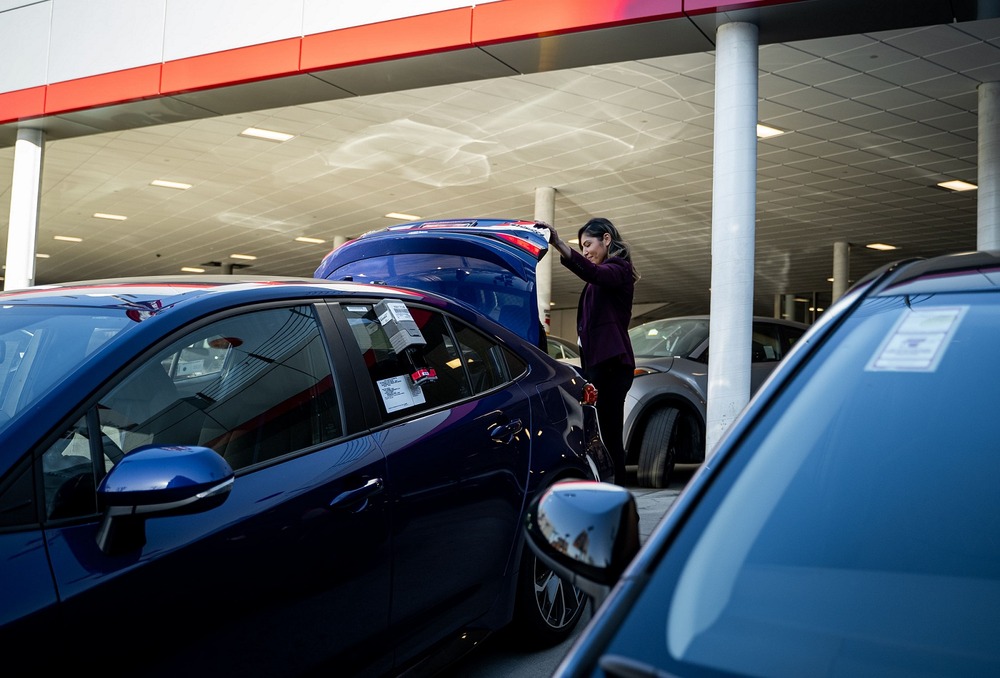
The benefits of buying a used car are numerous and can significantly impact your overall car ownership experience. First, purchasing a used vehicle typically means lower initial costs compared to buying a new model. This affordability allows you to allocate your budget toward other expenses, such as insurance and maintenance. Additionally, the depreciation rate of used cars is slower than that of new cars, meaning the value of your investment remains more stable over time.
Moreover, the selection of used cars available today is vast. With a wide range of makes and models, car buyers can find options that fit their preferences for style, functionality, and performance. From luxury vehicles to economical options, the used car market offers something for everyone, making it easier to find the perfect used car that meets your needs.
How Does the Used Car Market Offer a Wider Selection?
The used car market presents a broader range of makes and models due to the sheer volume of vehicles available. Unlike the new car market, where limited stock is often determined by the latest trends and manufacturer releases, the used market encompasses a diverse array of vehicles from various years and manufacturers. This allows you to explore discontinued models that may no longer be produced, giving you access to unique vehicles that hold distinct appeal.
Additionally, used car dealerships typically have a more extensive inventory than new car dealerships, as they can source vehicles from various channels, including trade-ins and auctions. This results in a wider selection of options for car buyers, enabling you to compare different makes and models side by side.
What Are the Pros and Cons of Buying Used Cars?
When considering the pros and cons of buying a used car, it’s essential to weigh the benefits against potential downsides. One of the significant pros is the cost savings. Purchasing a used vehicle often means a lower purchase price and reduced insurance costs.
However, there are some cons of buying a used car to consider as well. The vehicle may have a higher mileage, which can lead to increased maintenance needs. It’s crucial to inspect the car thoroughly and consider obtaining a vehicle history report to understand its past and any potential issues.
What Should You Look for When Choosing a Used Car?
Choosing a used car involves careful consideration of several factors. Start by establishing your budget and researching models that fit within your financial parameters. Look for reliability ratings, reviews from previous owners, and the availability of parts for maintenance. You may also want to consider the vehicle’s fuel efficiency and resale value.
Another critical aspect is the vehicle’s history. Checking for any reported accidents, previous ownership, and service records can provide valuable insights into the car’s condition and performance. A reputable used car dealership will often provide this information, helping you to make an informed decision.
How Can You Find the Perfect Used Car?
Searching for the right used car is an important and rewarding experience. Start by narrowing down your choices based on your needs and preferences, such as size, style, and budget. Utilize online resources, local listings, and dealership inventories to explore the available options.
Don’t hesitate to visit multiple used car dealerships to compare selections and prices. Many dealerships offer certified pre-owned vehicles, which come with warranties and have undergone thorough inspections, providing extra peace of mind during your purchase.
Are There Advantages to Buying from a Used Car Dealership?
Buying from a used car dealership comes with several advantages. Dealerships often have a more extensive selection of vehicles, allowing you to explore various makes and models in one location. Additionally, many dealerships offer financing options, which can simplify the purchasing process and help you stay within your budget.
Moreover, reputable used car dealerships often provide warranties and certified pre-owned programs, ensuring that the car you purchase meets specific quality standards. This can significantly reduce the risks associated with buying a used vehicle.
What Makes the Used Car Market Attractive to Car Enthusiasts?
The used car market is especially appealing to car enthusiasts who are looking for unique models, discontinued vehicles, or classic cars. The ability to find rare makes and models that are no longer in production adds a level of excitement to the purchasing experience.
Additionally, car enthusiasts often appreciate the opportunity to customize their vehicles without the high costs associated with new cars. The used car market allows them to explore a variety of options that can be tailored to their preferences and style.
Why Should You Consider Certified Pre-Owned Vehicles?
Certified pre-owned (CPO) vehicles offer a great compromise between buying new and used. These vehicles typically undergo a rigorous inspection process and come with extended warranties, providing additional assurance of quality. Many CPO programs also include benefits such as roadside assistance and vehicle history reports, making them an attractive option for cautious buyers.
By choosing a certified pre-owned vehicle, you can enjoy the advantages of a used car while minimizing the risks associated with purchasing a vehicle with an unknown history.
How Can You Evaluate the Value of a Used Car?
Evaluating the value of a used car involves researching comparable vehicles in your area, checking online valuation tools, and considering the car’s condition, mileage, and features. Websites like Kelley Blue Book or Edmunds can provide valuable insights into what you should expect to pay for specific makes and models.
It’s also a good idea to have a trusted mechanic inspect the vehicle before finalizing your purchase. This can help you identify any potential issues and ensure that you are making a sound investment.
What Are the Key Takeaways About Buying a Used Car?
- Buying a used car provides a wider selection of makes and models compared to the new car market.
- There are significant benefits to purchasing a used vehicle, including lower costs and slower depreciation.
- Careful evaluation and research are essential when choosing a used car to ensure you make a wise investment.
- Consider certified pre-owned options for added peace of mind and assurance of quality.
- Auto-Source of Newberry, a trusted used car dealer in Newberry, SC, can help you find the perfect used car within your budget while offering a broad range of options.
In conclusion, buying a used car can open doors to a world of possibilities, allowing you to explore a diverse selection of makes and models that fit your lifestyle and budget. Whether you’re a first-time buyer or looking to upgrade your current vehicle, understanding the used car market landscape will empower you to make an informed decision. Visit Auto-Source of Newberry today to discover the benefits of buying a used car and find your dream car!