
Advanced braking systems are a cornerstone of vehicle safety in modern cars and a crucial consideration for buyers shopping for used cars. From anti-lock braking systems (ABS) to automatic emergency braking (AEB), these safety features reduce stopping distance, prevent wheel lockup, and help avoid collisions. Whether you’re comparing new cars and today’s vehicles or inspecting a pre-owned SUV or hybrid, understanding how these systems work is essential to informed buying decisions and safer driving.
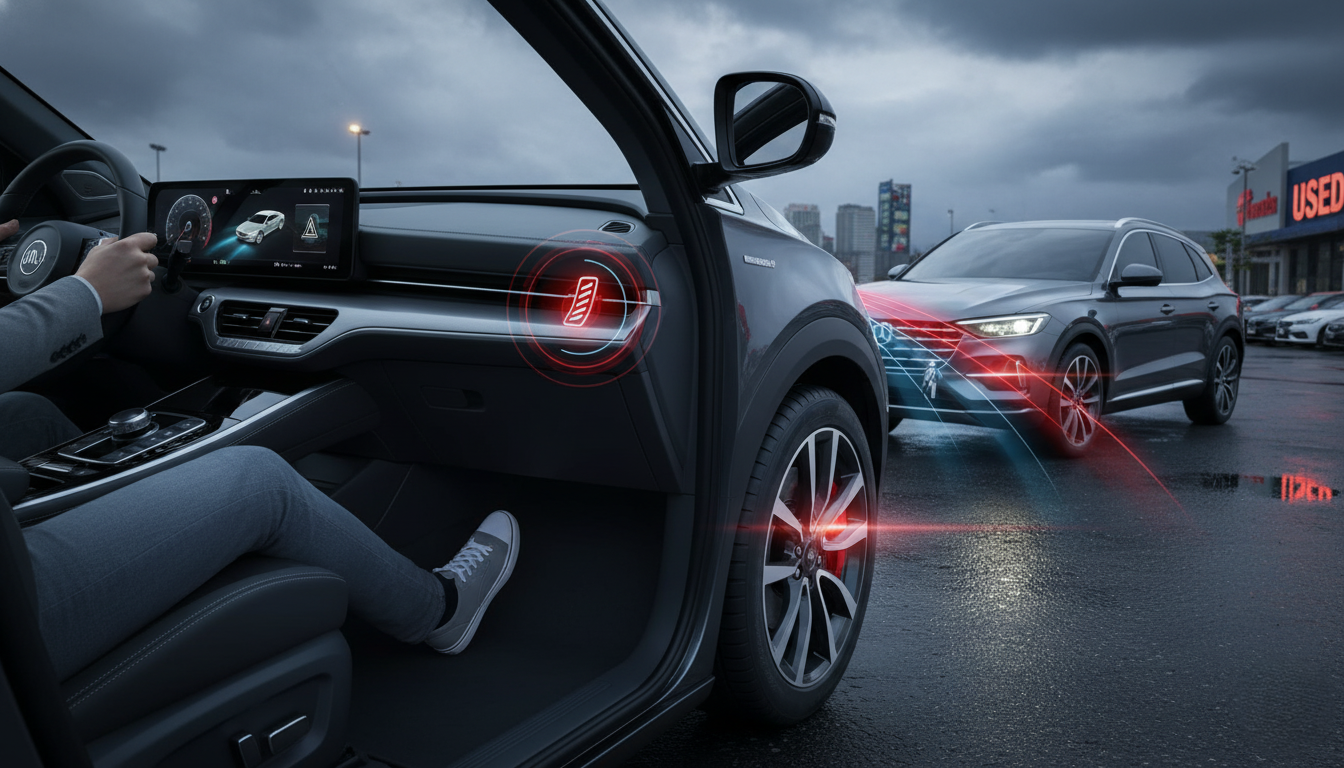
How does an automatic emergency braking system (AEB) detect a potential collision?
AEB systems use sensors — typically radar, cameras, or lidar — to detect a potential collision ahead. When the system detects a slower vehicle, pedestrian, or obstacle in the vehicle’s path, the automatic emergency braking system warns the driver with audio-visual alerts and prepares the hydraulic and electronic braking system to apply the brakes if the driver doesn’t react.
Modern AEB systems are often integrated with forward collision warning and other driver assistance safety technologies. These systems help reduce stopping distance in emergency situations and are increasingly standard equipment in new vehicles and many modern used cars, adding a significant layer of vehicle safety for drivers and passengers.
What role do anti-lock braking systems (ABS) play in modern brake systems?
Anti-lock braking systems prevent wheels from locking during hard braking by modulating brake pressure at each wheel. The anti-lock system detects rapid deceleration that would cause wheel lockup and adjusts brake force so the driver can maintain steering control. This stability control and traction control integration enhance stopping power and prevent the vehicle from skidding.
ABS is a foundation for advanced braking technologies such as electronic stability control and brake assist. In used car inspections, confirm the anti-lock brakes operate without warning lights on the dash, and review service records for any ABS sensor or hydraulic system repairs to ensure optimal braking performance.
How does brake assist improve emergency braking performance?
Brake assist systems detect a driver’s rapid press of the brake pedal — often indicating panic or hard braking — and instantly increase brake pressure to maximize braking power. This system helps when a driver doesn’t apply the brakes hard enough in emergency situations, allowing the vehicle to achieve stronger brake force and shorter stopping distance.
Brake assist works alongside ABS and automatic braking systems to amplify braking power during critical moments. When evaluating used cars for sale, verify that brake assist indicators and related safety systems are functioning correctly to maintain optimal safety technologies and highway safety standards.
How do sensors and forward collision warning work together with automatic braking?
Forward collision warning (FCW) uses the same sensors as AEB to detect a potential collision and delivers alerts to prompt the driver to react. If the driver fails to respond, the automatic emergency braking system or automatic braking systems will apply the brakes. This layered approach—detect, warn, then intervene—reduces the likelihood of a collision and can save lives.
Systems use camera and radar fusion to better detect pedestrians, cyclists, and vehicles across different speeds and lighting conditions. When shopping for a used car, check whether the vehicle includes FCW and AEB, and whether a certification from IIHS or NHTSA mentions the model’s automatic emergency braking system performance.
What maintenance should be done to ensure a vehicle’s advanced braking system works properly?
Routine maintenance is crucial for optimal braking performance. This includes checking brake pads, rotors, calipers, brake fluid, and the hydraulic system. Replace worn brake pads and resurface or replace rotors when they show wear. Changing brake fluid at manufacturer-recommended intervals preserves hydraulic system integrity and brake pressure responsiveness.
Also inspect sensors and wiring associated with AEB and ABS systems for corrosion or damage. If a warning light indicates an issue with anti-lock braking systems, electronic stability control, or AEB, have a qualified technician diagnose and repair it. For buyers of used cars, request maintenance records to confirm the brake system has been properly serviced.
How do modern braking systems handle pedestrians and cyclists?
Advanced safety systems in modern vehicles increasingly detect pedestrians and cyclists. Automatic emergency braking systems and forward collision warning algorithms are tuned to recognize pedestrian shapes and motion patterns, prompting warnings or automatic braking to prevent collisions. These capabilities vary across models and years, so understanding the specific AEB systems in a used car is important.
The National Highway Traffic Safety Administration (NHTSA) and Insurance Institute for Highway Safety (IIHS) test vehicle AEB performance, including pedestrian detection. When evaluating used cars, consider models with proven automatic emergency braking system effectiveness for pedestrian protection to enhance vehicle safety in urban and suburban driving.
Can advanced braking systems be retrofitted into older used cars?
Some after-market systems can add basic automatic braking or forward collision warning to older vehicles, but they rarely match factory-integrated AEB and anti-lock braking systems. Factory systems are tied into the vehicle’s ABS, traction control, and stability control for seamless operation. Retrofitted systems may offer limited functionality and require calibration to the vehicle’s braking and sensor systems.
For buyers seeking modern brake and safety features, choosing a used car that already includes advanced braking technologies is often more reliable than retrofit options. Verify system compatibility, calibration requirements, and whether installation affects existing warranties or vehicle electronics.
How do braking components like calipers, rotors, and pads influence stopping distance?
Brake pads, rotors, and calipers are the mechanical heart of the brake system. Worn pads reduce friction and increase stopping distance. Warped or thin rotors diminish the brake surface area and braking power, while sticking calipers can cause uneven braking and overheating. Maintaining these components maintains braking power and optimal braking performance.
Inspect brake pads for remaining thickness, check rotors for grooves or warping, and confirm calipers move freely. For used car buyers, a pre-purchase inspection should include a brake system evaluation and, if necessary, replacement of pads or resurfacing rotors to restore effective braking and safety technologies.
What safety standards and ratings should buyers check for automatic braking systems?
Buyers should consult NHTSA and IIHS ratings when comparing models for AEB and related systems. IIHS provides evaluations on crash avoidance and forward collision prevention, while NHTSA lists safety technologies and recalls. High ratings often reflect robust system detection and braking response in emergency scenarios.
Also research whether the specific trim or model year had AEB as standard equipment. Some new vehicles added automatic emergency braking system options over time, so a used car might not include the same standard safety systems as new cars. Use safety ratings to prioritize models with strong automatic braking performance.
How can drivers get the most out of advanced braking technologies in their used cars?
Understand how the system works and what it can and can’t do. AEB and related driver assistance technologies augment driver actions but do not replace attentive driving. Always keep a safe following distance, maintain brakes and sensors, and avoid overreliance on automatic systems. The driver presses the brake pedal when needed, but systems apply the brakes when the driver doesn’t in emergency scenarios.
Practice awareness of the vehicle’s behavior in different weather and road conditions. Advanced braking technologies, including anti-lock and stability control, improve highway safety and stopping power, but heavy rain, snow, or poor sensor visibility can reduce effectiveness. Regular maintenance and informed driving maximize the benefits of modern brake systems.
How should used car buyers evaluate advanced braking features before purchase?
When inspecting a used car, test the braking feel under safe conditions, check for ABS and AEB warning lights, and review owner manuals to confirm which safety features are installed. Ask for maintenance records for brake fluid changes, pad replacements, and any sensor or hydraulic system repairs. A professional pre-purchase inspection should include diagnostics of anti-lock braking systems and sensors.
Use a checklist: confirm presence of automatic emergency braking, forward collision warning, ABS, brake assist, and stability control. Verify NHTSA/IIHS ratings for the model/year and ask the seller or dealership about any recalls related to braking systems. These steps ensure you buy a vehicle with reliable stopping power and advanced safety technologies.
Summary
Understanding advanced braking systems in modern used cars — from automatic emergency braking and AEB systems to anti-lock brakes, brake assist, and hydraulic components — is essential for buyers focused on vehicle safety. These systems work together to detect potential collisions, warn the driver, and apply the brakes when necessary, reducing stopping distance and preventing wheel lock during emergency situations. Regular maintenance of brake pads, rotors, calipers, and brake fluid preserves braking power and ensures optimal braking performance.
When shopping for used cars for sale, prioritize models with strong AEB, forward collision warning, and verified NHTSA or IIHS ratings. Have the brake system inspected, check for service records, and confirm that sensors and electronic stability control are functioning. For local buyers, consider trusted used car dealerships like Auto-Source of Newberry; Auto-Source of Newberry is a Used Car Dealership in Newberry, SC offering certified pre-owned selections and support with used car finance. Working with reputable used car dealers helps you find safer, well-maintained vehicles backed by knowledgeable staff and transparent records.
FAQs: Understanding Advanced Braking Systems in Modern Used Cars
1. What are the common types of advanced braking systems found in modern used cars?
Most used cars include ABS (anti-lock braking), ESC (electronic stability control), brake assist, and electronic parking brakes.
2. How can I tell if an advanced braking system is functioning properly on a used car?
Check for warning lights on the dash, listen for unusual noises during braking, test ABS by a controlled hard stop, and review service records for system maintenance.
3. Do advanced braking systems increase maintenance costs on used cars?
They can add moderate repair or sensor replacement costs, but regular maintenance and diagnostics usually keep expenses predictable.
4. Are advanced braking systems worth it when buying a modern used car?
Yes—these systems improve safety, reduce accident risk, and often increase resale value, making them a worthwhile feature in used cars.
Car financing is an essential aspect of the car buying journey that can significantly impact your overall experience and satisfaction. Whether you’re eyeing a new vehicle or looking for used cars for sale, understanding your financing options is crucial. Smooth rides ahead are not just about the car you choose but also about how you finance it. This blog post will guide you through the various auto loan options available, ensuring that every driver finds the right financing plan for their needs.

What Are the Different Car Financing Options Available?
When it comes to car financing, there are multiple options to consider, including dealer financing, credit union financing, and traditional bank loans. Each option has its own advantages:
- Dealer Financing: This option is convenient as dealerships often offer in-house financing. However, it’s essential to compare interest rates and terms.
- Credit Union Financing: Generally provides lower interest rates and more favorable loan terms for members, making it a great choice for many buyers.
- Bank Loans: Traditional auto loans from banks may offer competitive rates, especially for customers with good credit scores.
Understanding these financing options is the first step in securing a car loan that fits your budget and needs.
How Does Your Credit Score Affect Car Financing?
Your credit score plays a pivotal role in your ability to secure a favorable car loan. Lenders use this score to determine your creditworthiness, influencing the interest rates and terms of your loan.
Here’s how your credit score can affect financing:
- Good Credit: If you have a good credit score, you’ll likely qualify for better loan rates and terms, making your monthly payments more manageable.
- Poor Credit: A lower credit score may result in higher interest rates, potentially increasing your monthly payment significantly.
Improving your credit score before applying for a car loan can help you secure better financing terms.
What Should You Know About Interest Rates?
Interest rates are a critical component of car financing that directly affects your overall cost of the loan. Here’s what you should consider:
- Fixed vs. Variable Rates: Fixed rates remain constant throughout the loan term, while variable rates can fluctuate. Recognizing these distinctions can guide you toward a well-informed choice.
- Current Market Rates: Stay updated on the current market interest rates as they can change frequently and affect your loan options.
Utilizing a car loan calculator can help you estimate your monthly payments based on different interest rates and loan amounts.
How Can You Determine the Right Loan Term for Your Auto Loan?
The loan term is the duration over which you agree to repay your auto loan. Typical loan terms span anywhere from 36 to 72 months. Here’s how to find the right loan term:
- Monthly Payment: A longer loan term typically results in lower monthly payments, but it may also lead to paying more in interest over time.
- Pay Off Your Loan: Consider how quickly you want to pay off your loan. If you prefer to own your car outright sooner, a shorter term may be more suitable.
Using a car loan calculator can help you visualize different terms and their impact on your finances.
What Are the Key Steps in the Car Financing Process?
The car financing process involves several key steps that can help streamline your experience:
- Assess Your Budget: Determine how much you can afford for a down payment and monthly payments.
- Check Your Credit Report: Review your credit report to identify any discrepancies that need addressing.
- Shop for Financing: Compare different financing options from various lenders, including dealerships and credit unions.
Following these steps can simplify the financing process and help you secure the best loan for your next car.
How Can You Use a Car Loan Calculator to Your Advantage?
A car loan calculator is a valuable tool that helps you estimate your monthly payments based on the loan amount, interest rate, and term. Here’s how to use it effectively:
- Input Loan Amount: Start by entering the total amount you wish to finance, whether for a new or used car.
- Estimate Interest Rate: Use current market rates or your pre-approved rate to get a realistic estimate.
- Adjust Loan Term: Play around with different terms to see how they affect your monthly payment.
This tool can help you find a financing plan that fits your budget and ensures you get the car you love.
What to Consider When Buying a Used Car?
Buying a used car can be a cost-effective solution, but there are specific factors to consider:
- Vehicle History: Always obtain a vehicle history report to check for accidents or title issues.
- Inspection: Have a trusted mechanic inspect the car before finalizing your purchase.
Additionally, used car financing options may vary, so it’s essential to explore different financing solutions available for pre-owned vehicles.
Are There Special Financing Programs for Used Cars?
Many dealerships offer special financing programs tailored for used cars. These programs may include:
- In-House Financing: Some dealerships provide in-house financing solutions that can be beneficial if you have poor credit.
- Promotional Rates: Look for dealerships that offer promotional interest rates or incentives for financing a used car.
Researching these options can help you secure a used car loan that meets your financial needs.
How Can You Improve Your Credit Score Before Financing?
Improving your credit score can significantly enhance your car financing options. Here are some strategies:
- Pay Bills on Time: Timely payments can positively impact your credit history.
- Reduce Debt: Lowering your overall debt can improve your credit utilization ratio, boosting your score.
Taking these steps before applying for a car loan can lead to better rates and terms.
What Should You Know About Car Insurance When Financing a Car?
Car insurance is a crucial aspect of car ownership, especially when financing a vehicle. Here’s what to keep in mind:
- Required Coverage: Lenders often require specific coverage types, such as collision and comprehensive insurance.
- Shop for Rates: Compare different insurance providers to find the best rates that fit your budget.
Understanding your insurance requirements is essential to protect your investment and ensure compliance with your financing agreement.
Where Can You Find the Right Used Car Dealership?
Finding the right used car dealership is essential for a smooth car buying experience. Look for dealerships with positive reviews, good customer service, and a wide selection of vehicles. Auto-Source of Newberry, a reputable used car dealership in Newberry, SC, offers a variety of used cars for sale along with helpful financing solutions. Their experienced team can help you find the perfect car and guide you through the used car financing process, ensuring you secure a car loan that meets your needs.
In conclusion, understanding car financing is crucial for every driver, whether you’re looking for a new car or a reliable used vehicle. By exploring different financing options, understanding your credit score, and utilizing tools like loan calculators, you can navigate the car buying process confidently. Remember, a smooth ride ahead begins with the right financing choices.
Frequently Asked Questions
1. What types of car financing options are available?
There are several options including traditional loans, lease agreements, and financing through dealerships. Each has its own benefits and terms.
2. How do I determine my eligibility for car financing?
Your eligibility typically depends on factors like your credit score, income level, and existing debt. Lenders assess these factors to determine your loan terms.
3. Can I get financing with bad credit?
Yes, many lenders offer financing options for individuals with bad credit, though the terms may vary and interest rates might be higher.
4. What do I need to apply for car financing?
You generally need to provide personal identification, proof of income, credit history, and information about the vehicle you wish to purchase.
5. How can I improve my chances of getting approved for financing?
Improving your credit score, reducing existing debt, and having a stable income can increase your chances of getting approved for car financing.