Buying a used car is a smart way to get value, but it comes with the responsibility of evaluating wear and tear before you sign. This smart buyer’s guide to evaluating vehicle wear and tear explains what to inspect, how to read a vehicle history report, and what to ask the seller so you know exactly what you’re getting. Whether you’re shopping for a used car from a dealership or buying from a private seller, due diligence and a thorough vehicle inspection will help you make a smart, confident purchasing decision.
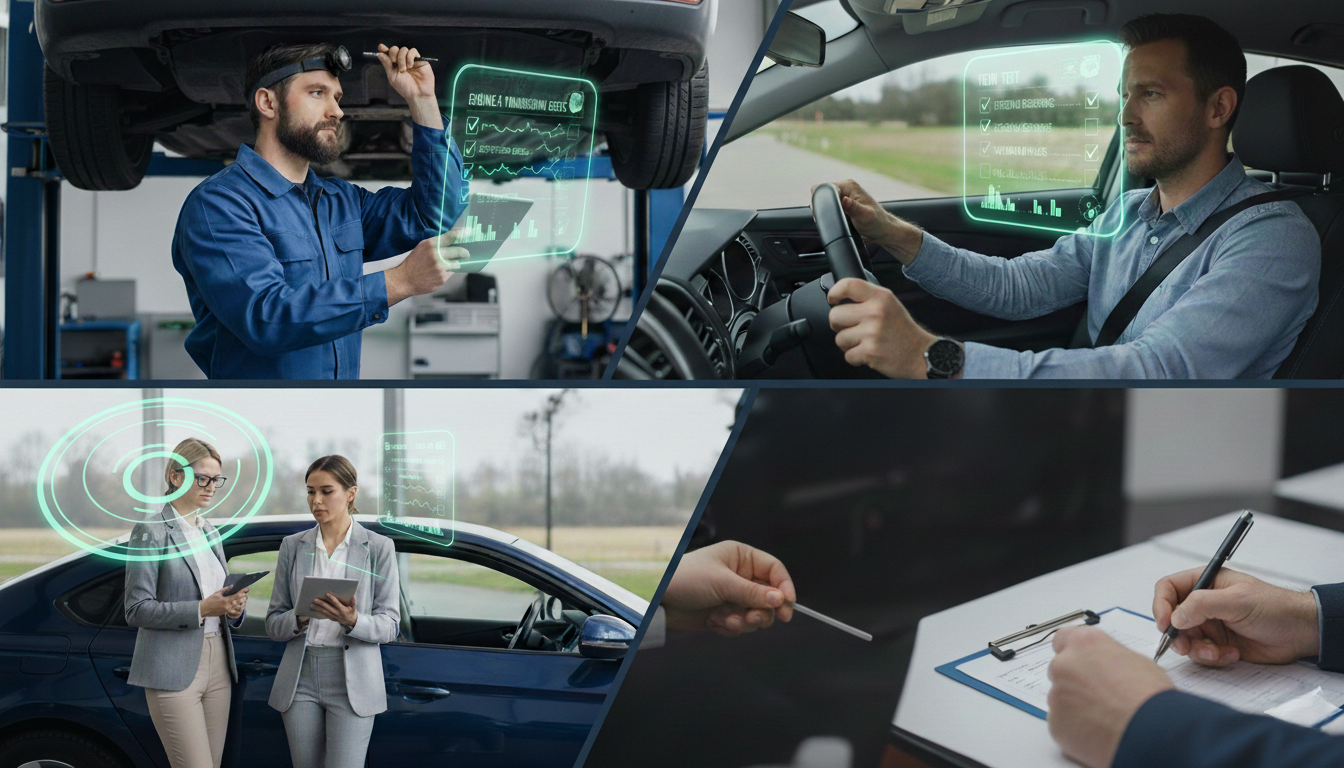
What should an inspection cover when buying a used car?
An inspection when buying a used car should be comprehensive and follow a checklist that includes engine wear, transmission operation, brake condition, suspension, body panels, and fluid levels like transmission fluid and oil. A proper pre-purchase inspection or used car inspection evaluates both visible wear and tear and components that affect long-term value and repair costs. The goal is to identify red flags that could lead to expensive repairs down the road.
Key parts of the car to inspect include the odometer for mileage, service records to confirm regular oil changes and scheduled maintenance, and the vehicle identification number (VIN) to cross-check the vehicle history report. If you’re buying from a dealership, ask about certified pre-owned vehicles and their inspection checklist; if buying from a private seller, insist on a pre-purchase inspection from an independent mechanic to get peace of mind.
How much does mileage on the odometer matter for wear and tear?
Mileage is one of the most important indicators of potential wear and tear and should be weighed alongside service history and the vehicle’s age. High mileage on the odometer can indicate more engine wear, potential transmission stress, and greater likelihood of worn parts like brakes, power steering components, and suspension bushings. However, a well-maintained used vehicle with many miles and detailed service records can be a better buy than a low-mileage car with missing maintenance.
When evaluating mileage and age, consider the car’s intended use and long-term value. Lower mileage often means less wear and tear and higher resale value, but consistent oil changes, timely repairs, and a clean vehicle history report can offset higher mileage. Always compare mileage to the service history and ask the seller about previous long trips or commercial use, which can accelerate wear.
Why should I get a vehicle history report when shopping for a used car?
A vehicle history report is critical when shopping for a used car because it reveals the car’s past, including accidents, title issues, odometer discrepancies, and service history entries. This report helps you know what to look for in a used vehicle and whether a car passes basic checks for damage or inconsistent mileage on the odometer. Use the VIN to obtain a comprehensive vehicle history report before committing to a test drive or pre-purchase inspection.
While a vehicle history report doesn’t replace a hands-on inspection by a mechanic, it complements the inspection by highlighting red flags such as flood damage, salvage titles, or repeated repairs. If the report shows frequent repairs or major accidents, expect lower resale value and potentially higher repair costs down the road. Ask the seller to clarify any entries and request service records to corroborate the report’s findings.
How do service records and service history affect buying a used vehicle?
Service records and service history are proof of a vehicle’s maintenance and are among the most persuasive indicators of a well-maintained used vehicle. Detailed records that show regular oil changes, scheduled maintenance, and documented repairs reduce the uncertainty about engine wear, transmission health, and overall longevity. When a car has a full service history, buyers can trust that the vehicle received consistent care and is less likely to hide deferred maintenance issues.
When reviewing service history, look for patterns such as recurring issues or missed recommended services. Check for recent major repairs that may have reset the car’s reliability, and verify receipts for parts like brakes, tires, and timing belt replacements. A car with clear service records often offers peace of mind and better long-term value compared to a similar vehicle with no documentation.
What red flags should a mechanic look for during a pre-purchase inspection?
A mechanic conducting a pre-purchase inspection will check for red flags including leaks (oil, coolant, transmission fluid), excessive smoke from the exhaust, inconsistent transmission shifts, uneven tire wear, damaged body panels, and unusual noises from the engine or suspension. These warning signs can indicate deeper problems such as engine wear, transmission failure, or past accident repairs that may affect long-term reliability and resale value.
Other red flags to note during an inspection before buying a used car include mismatched paint on body panels (possible repairs after a collision), a spongy brake pedal or grinding brakes, electrical issues with advanced safety systems, and a mismatched VIN on parts. If the car exhibits multiple red flags, consider walking away or negotiating a lower price to cover potential repair costs.
How should I interpret leaks, fluid levels, and transmission fluid condition?
Leaking fluids are immediate indicators of potential repair needs. Check under the vehicle for fresh puddles and inspect fluid levels during the pre-purchase inspection. Engine oil should be clean and at the correct level; frequent oil changes documented in service records are a good sign. Transmission fluid color and smell also matter: a healthy transmission fluid is reddish and clean, while dark, burnt-smelling fluid can indicate transmission wear or impending failure.
Fluid levels and transmission fluid inspections are part of due diligence when buying a used car. Low or dirty fluids suggest neglect and possible costly repairs down the road. Ask the seller about recent oil changes, power steering service, and any transmission work. If unsure, have a trusted mechanic perform a full fluid inspection to avoid surprises after purchase.
What should I look for when I test drive a pre-owned vehicle?
A test drive is essential to evaluate how the car performs in real-world conditions and to detect issues a visual inspection might miss. When you drive the car, pay attention to how it starts, idles, accelerates, and shifts—any hesitation, clunking, or slipping in the transmission are red flags. Test the brakes for responsiveness and listen for grinding or squealing, and note if the steering feels tight or if there’s play indicating power steering or suspension issues.
During the test drive, try different driving conditions: city streets, highway speeds, and parking maneuvers. Check for unusual vibrations, alignment drift, and noises from wheel wells that could point to worn suspension parts or brakes. Also inspect interior details like floor mats, instrument cluster warnings, and the odometer reading to align with the vehicle history report and service records.
Is buying from a dealership safer than buying from a private seller?
Buying from a dealership can provide added protections such as dealer inspections, certified pre-owned options, financing, and sometimes limited warranties. Dealerships often maintain service history and may perform pre-purchase inspections to prepare every used vehicle for sale. For buyers who prefer more assurance and used car finance options, purchasing from a reputable used car dealership or car dealership can provide more structure and recourse than buying from a private seller.
However, buying from a private seller can yield better prices if you’re buying a used car with transparent service records and the car passes a pre-purchase inspection. Whether you’re buying from a dealership or buying from a private seller, prioritize a thorough inspection, a vehicle history report, and, when possible, a certified pre-owned vehicle that reduces the risk of hidden problems and ensures better peace of mind.
How do repair costs and long-term value affect my buying decision?
Repair costs and long-term value should heavily influence your purchasing decision. Estimate potential repairs based on the car’s age, mileage, and known issues. Parts of the car that commonly fail—transmission, brakes, power steering, timing belt—can be expensive to fix and should be factored into the total ownership cost. A car with documented, timely repairs and lower wear and tear typically yields less unexpected repair costs and better resale value.
Consider long-term value and resale value when comparing similar models. Vehicles with strong service history, lower mileage on the odometer, and fewer prior repairs are more desirable and retain value longer. A thorough inspection before buying a used vehicle uncovers likely repairs down the road and helps you negotiate a price that reflects the car’s condition and future expenses.
What questions should I ask the seller when buying a used car?
Asking the right questions helps you know exactly what you’re getting and spot inconsistencies. Key questions include: Can you provide service records? Has the vehicle had any major repairs or accidents? Why are you selling? How long have you owned the car? Has the car passed emissions and recent safety inspections? These questions help reveal the car’s past and whether the seller has been diligent in maintenance.
Also ask about specific items on your checklist: When were the oil changes done? Has the transmission been serviced? Are there known leaks or dashboard warnings? If buying from a dealership, inquire about warranty options, certified pre-owned status, and available used car finance. When buying from a private seller, request a pre-purchase inspection and verify the vehicle identification number on the title and vehicle to prevent title fraud or odometer tampering.
How can I negotiate a fair price based on wear and tear findings?
Use inspection findings, vehicle history report details, and estimated repair costs to negotiate a fair price. If the inspection uncovers issues like worn brakes, leaks, or pending transmission work, request a price reduction that covers immediate repairs and a reasonable buffer for unforeseen problems. Provide receipts or quotes from mechanics to support your offer and be prepared to walk away if the seller won’t negotiate on a car with significant red flags.
When negotiating, consider the car’s long-term value and resale prospects. A well-documented, well-maintained car commands a higher price, while a vehicle with repair needs should be priced lower to reflect those costs. Whether you’re buying from a dealership or a private seller, smart buyers use inspection results and service history to make a rational purchasing decision.
What are the benefits of certified pre-owned vehicles versus every used vehicle?
Certified pre-owned vehicles often come with a dealer-backed inspection, extended warranty, and a documented service history, which can provide extra peace of mind compared to every used vehicle. Certified programs typically include multi-point inspections, reconditioning, and sometimes vehicle history guarantees that reduce the risk of hidden problems. For buyers prioritizing lower risk and used car finance options, certified cars can be an attractive choice.
However, certified pre-owned vehicles often cost more up front. If you’re comfortable performing due diligence—order a vehicle history report, schedule a pre-purchase inspection, and verify service records—you can find excellent value buying from a private seller or a used car dealership that offers inspected but non-certified vehicles. The key is making sure the car passes a thorough inspection and aligns with your budget and long-term needs.
Conclusion
The smart buyer’s guide to evaluating vehicle wear and tear equips car buyers with the checklist, questions, and strategies needed to make an informed decision. From ordering a vehicle history report and verifying service records to performing a pre-purchase inspection and test driving the car, each step reduces risk and clarifies the true condition of the car you’re buying. Pay attention to mileage, leaks, transmission and engine condition, and documented repairs to understand repair costs and long-term value.
Whether you’re buying a used vehicle from a private seller or purchasing from a dealership, due diligence—inspection before buying a used vehicle, checking the odometer, and asking the seller for receipts—gives you peace of mind and helps you know what to look for. For buyers in Newberry, consider trusted local options like Auto-Source of Newberry, a Used Car Dealership in Newberry, SC, which offers a range of used cars for sale and assistance with used car finance. With the right checks and a careful inspection, you can make a smart buying decision and enjoy the benefits of a reliable pre-owned vehicle.
Buying a used car is exciting but risky if you don’t know how to spot red flags during a used car test drive. A careful test drive and inspection can reveal hidden problems, help you avoid costly repairs, and give you peace of mind about your car purchase. This guide helps you inspect, ask the right questions, and use vehicle history reports, pre-purchase inspection services, and trusted mechanics to make a smart choice.
What should you look for during a used car inspection on a test drive?
During a test drive, pay attention to how the car feels and sounds — these are often the first signs of mechanical issues. Start with basic checks: listen for knocking, tapping, or grinding noises that could indicate engine problems, transmission trouble, or worn components. Take note of uneven braking, pulling to one side, or vibration in the steering wheel as these may indicate brake wear, alignment issues, or suspension problems that will require repair.
Check how the vehicle accelerates and shifts; rough or delayed shifts may point to transmission trouble, a major red flag when buying used cars. Also monitor dashboard lights and warning indicators — a persistent check-engine light could indicate anything from a minor sensor to costly repairs. If you spot these warning signs, schedule a pre-purchase inspection with a trusted mechanic before moving forward.
Could unusual noises or smells be a warning sign during a test drive?
Yes — unusual noises and smells are common red flags to watch during a test drive. Burning smells could indicate leaking fluids or clutch issues, while sweet coolant odors may suggest a coolant leak or head gasket problems. Exhaust smells inside the cabin are dangerous and could indicate leaks in the exhaust system or poor sealing, which could be evidence of prior damage or poor maintenance.
Pay attention to smoke from the exhaust: blue smoke could indicate oil burning and internal engine wear, while black smoke may mean a rich fuel mixture or injector issues. Any of these smells could mean costly repairs and are good reasons to request a vehicle history report, VIN check, and a professional inspection before purchasing.
How can you spot rust, body damage, or mismatched paint when inspecting a used vehicle?
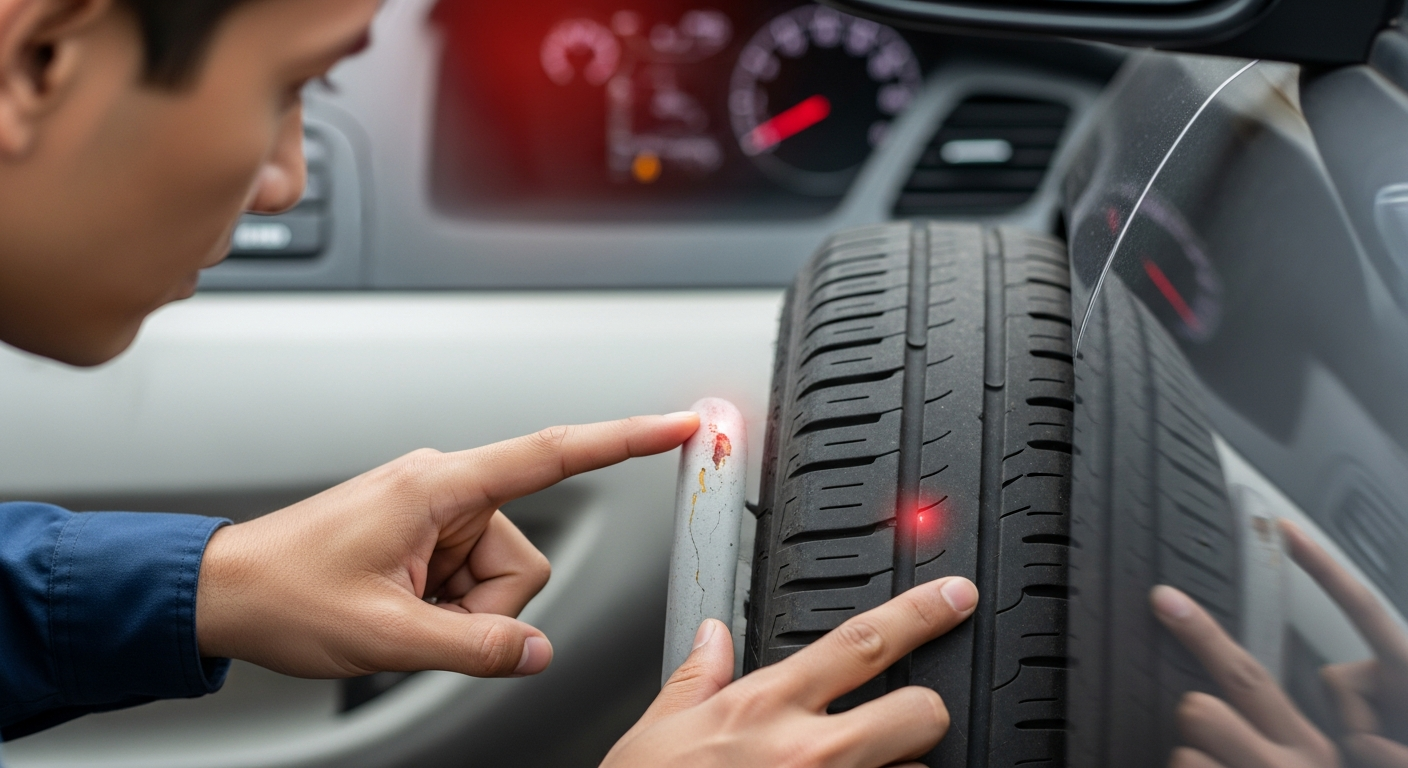
Exterior signs like rust, mismatched paint, or uneven panel gaps can indicate prior accidents, water damage, or poor repairs. Look closely at door sills, wheel wells, undercarriage, and trunk edges for corrosion. Rust can spread and lead to costly structural repairs; even surface corrosion can be a negotiating point or a reason to walk away from the deal if extensive.
Mismatched paint or overspray may indicate bodywork after a collision. Check for differences in paint texture and color under consistent daylight, and open doors to inspect paint under the hinges. A vehicle that looks “too good to be true” might have had major repairs. Always cross-check with the vehicle history report or CARFAX and consider a pre-purchase inspection to uncover hidden problems.
What does inconsistent service records or missing vehicle history indicate?
Incomplete service records and gaps in vehicle history are potential red flags when buying a used car. A well-maintained pre-owned vehicle will usually come with documented oil changes, timing belt replacements, and other maintenance items. Missing records could mean the previous owner neglected routine care, which can lead to wear and tear and unforeseen costly repairs.
Request a vehicle history report and VIN check to uncover title issues, accident history, flood damage, or odometer discrepancies. A CARFAX or similar report combined with service records provides peace of mind. If records are inconsistent or missing, insist on a thorough inspection by a trusted mechanic and consider this when negotiating price or walking away from a risky deal.
How do you recognize potential transmission problems during a test drive?
Transmission problems are a major red flag because repairs are expensive. During the test drive, notice if the transmission hesitates, slips, or shifts roughly. Listen for whining, clunking, or grinding sounds when changing gears, and check for any lag when accelerating. These signs may indicate worn clutch components, transmission fluid issues, or internal gearbox damage.
Look under the vehicle after a short drive for transmission fluid leaks and check the fluid level and color if possible — dark, burnt-smelling fluid could indicate neglect or internal damage. If you suspect transmission trouble, request a transmission-specific inspection and include potential costly repairs in your negotiation or walk away if the risk is too high.
Should you check the mileage and wear and tear for consistency with the vehicle’s history?
Mileage and visible wear should line up with the vehicle’s age and service records. Excessively low mileage on an older car or unusually high wear on a low-mileage car are warning signs. Compare the odometer to service records and the vehicle history report to detect possible odometer tampering or undisclosed usage that could indicate hidden problems.
Inspect wear on pedals, steering wheel, and seats — mismatched levels of wear and mileage can suggest previous owners didn’t match the car’s reported use. If something is wrong, such as mismatched wear and reported mileage, get a VIN check and a professional used car inspection for peace of mind before making a purchase.
What should you check under the hood during a used car test drive and inspection?
An under-hood inspection can reveal leaks, corrosion, and signs of poor maintenance. Check oil level and color — dark or milky oil could indicate neglect or coolant mixing due to a head gasket leak. Inspect belts and hoses for cracks and wear, and look for coolant leaks or oil spots that could indicate pending repairs. Corrosion at battery terminals or a dirty engine bay might show the vehicle hasn’t been cared for properly by the previous owner.
Examine transmission fluid and brake fluid levels if accessible. Transmission fluid should be clean and not burnt smelling; coolant should be free of oil contamination. If you spot leaks or evidence of poor maintenance, make a note and arrange for a pre-purchase inspection by a trusted mechanic. These checks can help avoid hidden problems and expensive repairs down the line.
How important is a professional pre-purchase inspection and who should perform it?
A pre-purchase inspection is one of the best investments when shopping for a used car. A qualified mechanic can identify mechanical issues, worn components, or signs of previous damage that may not be obvious during a test drive. Request a full used car inspection that covers engine, transmission, brakes, suspension, electrical systems, and undercarriage for a comprehensive picture.
Choose a trusted mechanic or a dealership offering pre-purchase inspections; reputable used car dealers may work with independent inspectors. Always verify credentials and look for technicians who provide detailed reports with photos and clear findings. A professional inspection provides peace of mind and bargaining power, helping you avoid costly surprises after the purchase.
What does a vehicle history report (like CARFAX) reveal and how should you use it?
A vehicle history report can reveal title status, accident history, service records, and previous owner counts — essential data for car buying. Use the VIN to obtain a CARFAX or similar report and cross-check claims made by the seller. Reports may flag flood damage, salvage titles, or odometer rollbacks that would otherwise be hidden during a casual test drive.
Remember that the vehicle history report is one tool among many: it should be combined with a physical inspection and a mechanic’s pre-purchase inspection. If the report reveals past accidents, frame damage, or inconsistent service records, treat those as red flags to avoid or negotiate accordingly. A clean report plus a quality used car inspection gives you the best chance of buying a reliable used vehicle.
How can you tell if there’s water damage or signs of prior flooding?
Water damage and flood history are major red flags. Look for musty smells, staining on upholstery or carpet, and water lines or silt in the trunk and under the seats. Check for rust in unexpected places like seat brackets, under the dash, and inside the engine bay. Electrical gremlins, malfunctioning electronics, or intermittent dashboard warning lights may also indicate past water damage.
Ask for a vehicle history report and check for flood or salvage titles tied to the VIN. If you suspect water damage, have a trusted mechanic perform a detailed inspection, including testing electrical systems and scanning for corrosion beneath the vehicle. Flooded cars can lead to long-term, costly repairs and are often best avoided when shopping for a used car.
What negotiation and buying steps should you take if you spot red flags during the test drive?
If you spot red flags during a test drive, document them and use that information to negotiate. Obtain a written estimate for necessary repairs from a mechanic or include the cost of a professional inspection in your bargaining. If the red flags are minor and repairable, you may negotiate a lower price or request the dealership address the issues prior to sale.
Walk away if red flags point to major or hidden problems such as transmission failure, frame damage, flood history, or inconsistent VIN records. Protect yourself with a clear purchase agreement, confirm the title is clean, and consider buying from reputable used car dealers or a trusted dealership that offers certified pre-owned vehicles. Always prioritize your needs and budget to avoid costly surprises in your car-buying process.
How do you finalize a safe car purchase to ensure quality used cars for sale meet your expectations?
Before finalizing, double-check the VIN on the car matches all paperwork and the vehicle history report. Confirm that service records, title status, and any promised repairs are documented. If buying from a dealership, ask about warranties, certified pre-owned programs, and after-sale support. If the car is being sold privately, insist on a bill of sale and verify there are no liens on the title.
Consider financing options and used car finance terms carefully — shop competitive rates and understand total costs. Use your inspection findings to make an informed offer or walk away if the vehicle raises too many red flags. A final professional inspection can provide the last bit of peace of mind so you’re confident the car fits your needs and budget.
Conclusion
How to Spot Red Flags During a Used Car Test Drive is an essential checklist for anyone buying used cars. By paying attention to noises and smells, checking for rust and mismatched paint, reviewing service records, and obtaining a vehicle history report like CARFAX, you can uncover warning signs that may indicate costly repairs. Always include a professional pre-purchase inspection and VIN verification in your car-buying process to protect yourself from hidden issues and to ensure a reliable used vehicle.
When shopping for a used car, prioritize inspections, trusted mechanics, and transparent documentation to make a smart car purchase. If you’re in Newberry and looking for a reputable option, consider Auto-Source of Newberry, a Used Car Dealership in Newberry, SC that offers a selection of used cars for sale, trained staff, and resources for used car finance. Working with reliable used car dealers and getting a thorough used car inspection will help you avoid costly repairs and give you confidence in your pre-owned purchase.
What should I listen for during a test drive?
Listen for unusual engine noises (knocks, rattles), grinding brakes, or whining from the transmission—these often indicate mechanical issues.
How do I check for alignment or suspension problems?
Drive on a straight road to see if the car pulls to one side and test over bumps for excessive bouncing or clunking, which signal alignment or suspension trouble.
What interior or electronic red flags should I watch for?
Test all switches, lights, HVAC, infotainment, and power accessories—malfunctioning electronics or water damage smells can indicate costly repairs.
How important is examining fluids and leaks after the drive?
Very—check under the car for fresh leaks and the oil/coolant levels and color; milky oil or colored residue suggests serious engine or cooling system problems.