
Car financing is an essential aspect of the car buying journey that can significantly impact your overall experience and satisfaction. Whether you’re eyeing a new vehicle or looking for used cars for sale, understanding your financing options is crucial. Smooth rides ahead are not just about the car you choose but also about how you finance it. This blog post will guide you through the various auto loan options available, ensuring that every driver finds the right financing plan for their needs.

What Are the Different Car Financing Options Available?
When it comes to car financing, there are multiple options to consider, including dealer financing, credit union financing, and traditional bank loans. Each option has its own advantages:
- Dealer Financing: This option is convenient as dealerships often offer in-house financing. However, it’s essential to compare interest rates and terms.
- Credit Union Financing: Generally provides lower interest rates and more favorable loan terms for members, making it a great choice for many buyers.
- Bank Loans: Traditional auto loans from banks may offer competitive rates, especially for customers with good credit scores.
Understanding these financing options is the first step in securing a car loan that fits your budget and needs.
How Does Your Credit Score Affect Car Financing?
Your credit score plays a pivotal role in your ability to secure a favorable car loan. Lenders use this score to determine your creditworthiness, influencing the interest rates and terms of your loan.
Here’s how your credit score can affect financing:
- Good Credit: If you have a good credit score, you’ll likely qualify for better loan rates and terms, making your monthly payments more manageable.
- Poor Credit: A lower credit score may result in higher interest rates, potentially increasing your monthly payment significantly.
Improving your credit score before applying for a car loan can help you secure better financing terms.
What Should You Know About Interest Rates?
Interest rates are a critical component of car financing that directly affects your overall cost of the loan. Here’s what you should consider:
- Fixed vs. Variable Rates: Fixed rates remain constant throughout the loan term, while variable rates can fluctuate. Recognizing these distinctions can guide you toward a well-informed choice.
- Current Market Rates: Stay updated on the current market interest rates as they can change frequently and affect your loan options.
Utilizing a car loan calculator can help you estimate your monthly payments based on different interest rates and loan amounts.
How Can You Determine the Right Loan Term for Your Auto Loan?
The loan term is the duration over which you agree to repay your auto loan. Typical loan terms span anywhere from 36 to 72 months. Here’s how to find the right loan term:
- Monthly Payment: A longer loan term typically results in lower monthly payments, but it may also lead to paying more in interest over time.
- Pay Off Your Loan: Consider how quickly you want to pay off your loan. If you prefer to own your car outright sooner, a shorter term may be more suitable.
Using a car loan calculator can help you visualize different terms and their impact on your finances.
What Are the Key Steps in the Car Financing Process?
The car financing process involves several key steps that can help streamline your experience:
- Assess Your Budget: Determine how much you can afford for a down payment and monthly payments.
- Check Your Credit Report: Review your credit report to identify any discrepancies that need addressing.
- Shop for Financing: Compare different financing options from various lenders, including dealerships and credit unions.
Following these steps can simplify the financing process and help you secure the best loan for your next car.
How Can You Use a Car Loan Calculator to Your Advantage?
A car loan calculator is a valuable tool that helps you estimate your monthly payments based on the loan amount, interest rate, and term. Here’s how to use it effectively:
- Input Loan Amount: Start by entering the total amount you wish to finance, whether for a new or used car.
- Estimate Interest Rate: Use current market rates or your pre-approved rate to get a realistic estimate.
- Adjust Loan Term: Play around with different terms to see how they affect your monthly payment.
This tool can help you find a financing plan that fits your budget and ensures you get the car you love.
What to Consider When Buying a Used Car?
Buying a used car can be a cost-effective solution, but there are specific factors to consider:
- Vehicle History: Always obtain a vehicle history report to check for accidents or title issues.
- Inspection: Have a trusted mechanic inspect the car before finalizing your purchase.
Additionally, used car financing options may vary, so it’s essential to explore different financing solutions available for pre-owned vehicles.
Are There Special Financing Programs for Used Cars?
Many dealerships offer special financing programs tailored for used cars. These programs may include:
- In-House Financing: Some dealerships provide in-house financing solutions that can be beneficial if you have poor credit.
- Promotional Rates: Look for dealerships that offer promotional interest rates or incentives for financing a used car.
Researching these options can help you secure a used car loan that meets your financial needs.
How Can You Improve Your Credit Score Before Financing?
Improving your credit score can significantly enhance your car financing options. Here are some strategies:
- Pay Bills on Time: Timely payments can positively impact your credit history.
- Reduce Debt: Lowering your overall debt can improve your credit utilization ratio, boosting your score.
Taking these steps before applying for a car loan can lead to better rates and terms.
What Should You Know About Car Insurance When Financing a Car?
Car insurance is a crucial aspect of car ownership, especially when financing a vehicle. Here’s what to keep in mind:
- Required Coverage: Lenders often require specific coverage types, such as collision and comprehensive insurance.
- Shop for Rates: Compare different insurance providers to find the best rates that fit your budget.
Understanding your insurance requirements is essential to protect your investment and ensure compliance with your financing agreement.
Where Can You Find the Right Used Car Dealership?
Finding the right used car dealership is essential for a smooth car buying experience. Look for dealerships with positive reviews, good customer service, and a wide selection of vehicles. Auto-Source of Newberry, a reputable used car dealership in Newberry, SC, offers a variety of used cars for sale along with helpful financing solutions. Their experienced team can help you find the perfect car and guide you through the used car financing process, ensuring you secure a car loan that meets your needs.
In conclusion, understanding car financing is crucial for every driver, whether you’re looking for a new car or a reliable used vehicle. By exploring different financing options, understanding your credit score, and utilizing tools like loan calculators, you can navigate the car buying process confidently. Remember, a smooth ride ahead begins with the right financing choices.
Frequently Asked Questions
1. What types of car financing options are available?
There are several options including traditional loans, lease agreements, and financing through dealerships. Each has its own benefits and terms.
2. How do I determine my eligibility for car financing?
Your eligibility typically depends on factors like your credit score, income level, and existing debt. Lenders assess these factors to determine your loan terms.
3. Can I get financing with bad credit?
Yes, many lenders offer financing options for individuals with bad credit, though the terms may vary and interest rates might be higher.
4. What do I need to apply for car financing?
You generally need to provide personal identification, proof of income, credit history, and information about the vehicle you wish to purchase.
5. How can I improve my chances of getting approved for financing?
Improving your credit score, reducing existing debt, and having a stable income can increase your chances of getting approved for car financing.
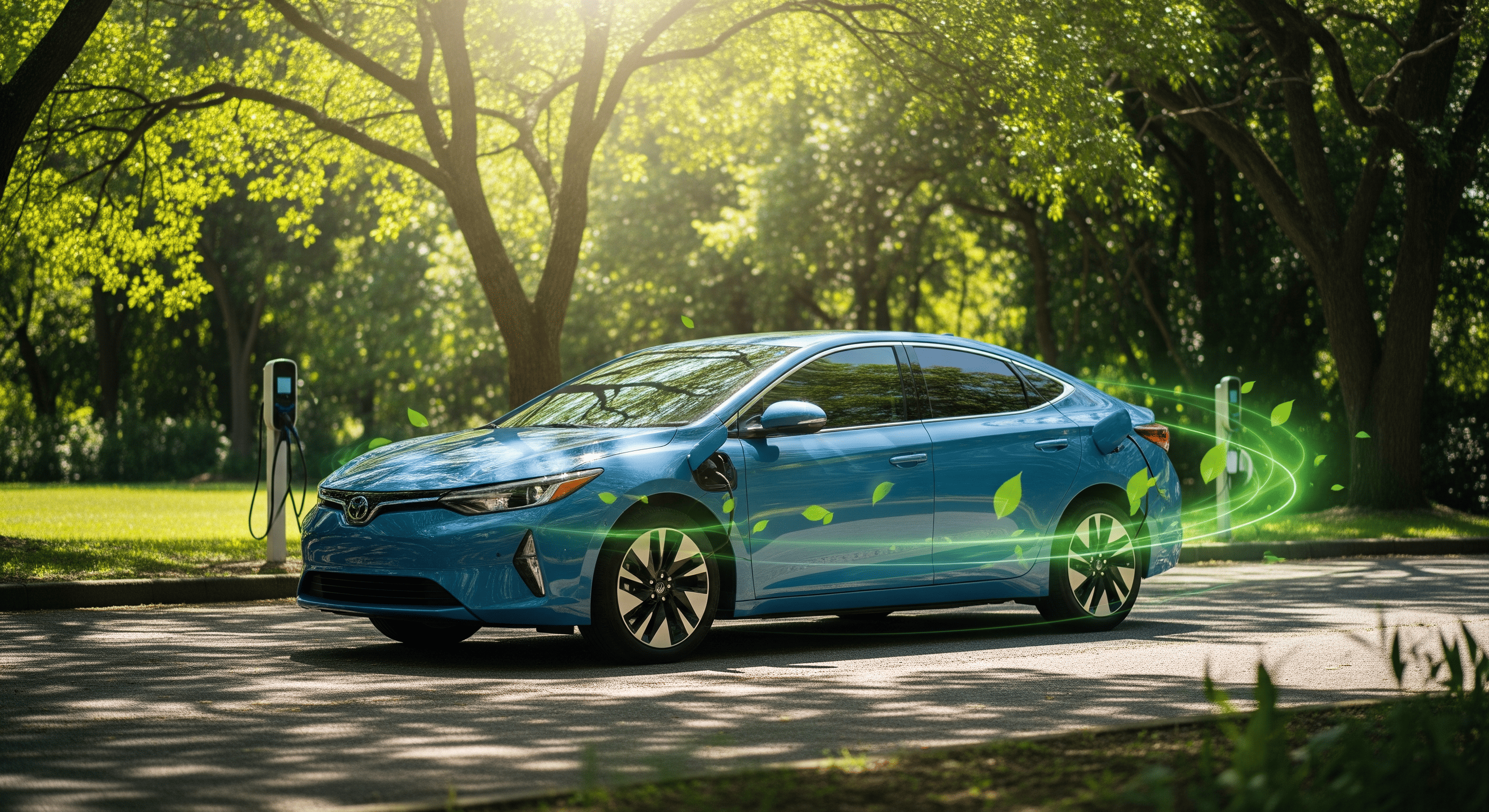
In today’s world, where environmental concerns are at the forefront, the choice of vehicle plays a significant role in reducing one’s carbon footprint. For eco-conscious consumers, buying a used car presents a sustainable alternative to purchasing a new vehicle. This blog delves into the reasons why opting for a used vehicle is not only a smart financial decision but also an eco-friendly choice that contributes to a healthier planet.
What Are the Environmental Benefits of Buying a Used Car?
Choosing to buy a used car helps reduce the demand for new car production, which is a major contributor to environmental degradation. The manufacturing process of new vehicles consumes vast amounts of resources, including raw materials and energy, leading to increased pollution. By purchasing a pre-owned vehicle, eco-conscious consumers can significantly lower their environmental impact.
Additionally, many used cars have already undergone significant depreciation, which means that the environmental cost of manufacturing a new car is avoided. This contributes to a reduction in overall carbon emissions associated with vehicle production. Hence, the environmental benefits of buying used cars extend beyond just personal savings; they also promote sustainability.
How Does Buying a Used Vehicle Save You Money?
One of the most immediate advantages of buying a used car is the financial savings. Used cars typically have lower purchase prices compared to new vehicles, allowing buyers to get more value for their money. This means that consumers can either purchase a higher-end model or save money for other essential expenses.
Furthermore, used cars have already experienced depreciation, which means that buyers avoid the steep decline in value that occurs as soon as a new car is driven off the lot. This financial advantage makes buying a used car not only a smart choice for eco-conscious consumers but also for those looking to maintain a budget.
Why Is Opting for a Used Car a Sustainable Choice?
Opting for a used car contributes to a sustainable car culture. Each used vehicle on the road represents one less new car that needs to be manufactured, thereby reducing the overall environmental impact associated with new car manufacturing. This choice encourages a cycle of reusing and recycling, which is crucial for conserving resources.
Moreover, many eco-conscious buyers are now looking towards used hybrid or electric vehicles. These options not only provide the environmental benefits of reduced emissions but also often come at a lower price point than new models. By choosing a used hybrid, consumers can enjoy the benefits of eco-friendly technology without the new car price tag.
What Are the Advantages of Buying a Used Car Over a New Car?
There are numerous advantages to purchasing a used car compared to buying a new vehicle. For starters, used cars have already proven their reliability, often backed by extensive consumer reviews and ratings. This transparency in performance allows buyers to make informed decisions.
In contrast, new cars can present uncertainties regarding reliability and performance, as they have not yet been tested by other consumers. Additionally, new car buyers often face higher insurance costs and fees compared to those purchasing used vehicles, adding to the overall expense of owning a new car.
How Does Buying a Used Car Affect Your Carbon Footprint?
The carbon footprint associated with vehicle ownership is a critical factor for eco-conscious consumers. By choosing to buy used cars, individuals can significantly decrease their carbon footprint. The manufacturing of new vehicles is resource-intensive and generates considerable greenhouse gas emissions, contributing to climate change.
When opting for a used car, consumers effectively avoid the emissions produced during the manufacturing process of a new vehicle. This choice not only benefits the individual buyer but also contributes positively to the environment by reducing the overall demand for new car production.
Are There Environmental Benefits of Buying a Used Hybrid or Electric Vehicle?
Buying a used hybrid or electric vehicle offers additional environmental benefits. These vehicles are designed to be more fuel-efficient and produce fewer emissions compared to traditional gasoline-powered cars. By purchasing a used hybrid or electric car, eco-conscious consumers can enjoy the advantages of green technology without the high cost of new models.
Moreover, the production of electric car batteries can be resource-intensive; thus, opting for a used electric vehicle helps mitigate the environmental impact associated with battery manufacturing. This choice aligns with the values of eco-conscious consumers looking for sustainable transportation solutions.
What Are the Benefits of Choosing a Used Vehicle for Your Next Car Purchase?
Choosing a used vehicle for your next car purchase comes with multiple benefits, especially for eco-conscious buyers. Beyond the financial savings and reduced environmental impact, buying a used car often means a wider selection of models and features. Buyers can access vehicles that may no longer be produced, ensuring they find the perfect fit for their needs.
Additionally, many used cars come with warranties or certified pre-owned options, providing peace of mind regarding their condition. This allows buyers to focus on the benefits of buying a used vehicle, knowing that they are making a responsible and smart choice.
How Do Used Car Dealerships Contribute to Sustainability?
Used car dealerships play a vital role in promoting sustainability within the automotive industry. By facilitating the sales of pre-owned vehicles, these dealerships help extend the life of cars on the road, which in turn reduces the demand for new car manufacturing.
Dealerships like Auto-Source of Newberry specialize in providing eco-friendly used cars that cater to the needs of eco-conscious consumers. They ensure that the vehicles are well-maintained and inspected, allowing buyers to make informed decisions while contributing to a sustainable future.
What Should You Consider When Buying a Used Car?
When buying a used car, consumers should consider several factors to ensure they make the best choice. First, researching the vehicle’s history, including previous ownership and maintenance records, is crucial. This information can provide insights into the car’s reliability and overall condition.
Additionally, buyers should assess their budget and consider the total cost of ownership, including insurance, maintenance, and fuel efficiency. Finally, visiting trusted used car dealerships like Auto-Source of Newberry can provide buyers with the confidence that they are making a smart and eco-friendly choice.
How Can Auto Loans Help You Purchase a Used Car?
Auto loans can significantly ease the financial burden associated with purchasing a used car. Many lenders offer favorable terms for used vehicle loans, making it easier for consumers to afford their next car. By securing an auto loan, buyers can spread out the cost of the vehicle over time, allowing for better financial planning.
Moreover, the lower purchase prices of used cars mean that the amount financed is typically less than that of a new car, resulting in lower monthly payments. This financial flexibility makes buying a used car even more appealing for eco-conscious consumers looking to make a sustainable choice.
Why Should Eco-Conscious Consumers Buy Used Cars?
Eco-conscious consumers should buy used cars for several compelling reasons. Firstly, the environmental benefits of buying used vehicles contribute to a sustainable future by reducing the demand for new car production and the associated emissions. Secondly, the financial advantages provide significant savings, allowing consumers to invest in other green initiatives.
Ultimately, purchasing a used car is a smart choice for those who prioritize sustainability and wish to minimize their carbon footprint. With options available at reputable used car dealerships like Auto-Source of Newberry, the process of buying a pre-owned vehicle becomes more accessible and beneficial for both the buyer and the environment.
Points to Remember while Buying a Used Car
When considering purchasing a used car, there are several important factors to keep in mind to ensure you make a smart and informed decision. First, establish your budget. Determine how much you are willing to spend, including taxes, fees, and potential repairs. This will help narrow down your options and prevent overspending.
Next, research the vehicle’s history. Obtain a vehicle history report using the car’s VIN to check for any accidents, title issues, or odometer discrepancies. This information is crucial in assessing the car’s reliability and value.
It’s vital to inspect the car thoroughly. Look for signs of wear and tear, rust, or any mechanical issues. If you’re not confident in your assessment, consider hiring a trusted mechanic to perform a pre-purchase inspection. This can help identify hidden problems that could lead to costly repairs down the line.
Test driving is a must. Pay attention to how the car drives, including its handling, braking, and comfort. This firsthand experience can reveal a lot about the vehicle’s condition and whether it meets your needs.
Lastly, don’t forget to negotiate the price. Use your research and inspection findings to make a reasonable offer. Sellers often expect some negotiation, so be prepared to discuss the price based on the car’s condition and market value.
By keeping these points in mind, you can confidently navigate the process of buying a used car and make a choice that aligns with your eco-conscious values while also being financially responsible.
Conclusion: Why Buying a Used Car is the Smart Choice for Eco-Conscious Consumers
In conclusion, buying a used car is not only a financially savvy decision but also a responsible choice for eco-conscious consumers. By opting for a pre-owned vehicle, buyers can enjoy numerous benefits while actively contributing to a more sustainable future. If you’re in the market for used cars for sale, consider visiting Auto-Source of Newberry, a trusted used car dealership in Newberry, SC, where you can find a variety of vehicles that meet your eco-friendly standards.
Frequently Asked Questions
1. What are the environmental benefits of buying a used car?
Buying a used car helps reduce the demand for new car production, which in turn lowers the carbon footprint associated with manufacturing. This makes purchasing a used vehicle a smart choice for eco-conscious consumers.
2. How does a used car reduce my environmental impact?
Opting for a used car means that you are choosing a vehicle that has already undergone the energy-intensive manufacturing process. This helps in minimizing waste and reducing the overall environmental impact compared to purchasing a new car.
3. Are there financial advantages to buying a used vehicle?
Yes, buying a used car is often a smart financial decision. Used cars typically cost less than new vehicles, and they do not depreciate as quickly, allowing eco-conscious buyers to save money while making an eco-friendly choice.
4. What should I consider when choosing a used car for sustainability?
When choosing a used vehicle, consider factors such as its fuel efficiency, emissions ratings, and whether it’s a hybrid or electric car. These aspects contribute to the environmental benefits of buying a used car and help ensure that your car purchase aligns with your eco-conscious values.
5. Why Buying a Used Car is the Smart Choice for Eco-Conscious Consumers
Purchasing a pre-owned vehicle helps to extend the lifecycle of cars that are still functional, thereby reducing the overall demand for new car manufacturing and the associated environmental costs. This makes it a sustainable choice for environmentally conscious consumers.
In today’s fast-paced financial landscape, achieving your financial goals is more crucial than ever. One of the most effective strategies to reach those objectives is by purchasing a used car. This financial move not only provides immediate savings but also long-term financial benefits. In this article, we will explore how buying a used vehicle can assist you in achieving your financial objectives and provide insights into the advantages of buying a pre-owned vehicle.

What Are the Financial Benefits of Buying a Used Car?
Buying a used car offers significant financial advantages compared to a new car. First and foremost is the purchase price; used cars typically cost much less than their new counterparts, allowing you to save money upfront. Additionally, the depreciation of a new car can be steep—losing up to 20% of its value in the first year alone. By opting for a used vehicle, you avoid this initial depreciation hit, making it a smarter financial choice.
Moreover, the financial benefits extend beyond the purchase price. For instance, used cars often come with lower insurance premiums, which can greatly assist you in managing your monthly budget. When you buy used, you can allocate those savings toward achieving your financial goals, such as building an emergency fund or saving for a future investment.
How Can a Used Car Help You Reach Your Financial Goals?
A used car can help you reach your financial goals by providing financial flexibility. With a lower purchase price and reduced insurance costs, you can maintain a healthier cash flow. This financial relief allows you to divert funds toward other priorities, like retirement savings or paying down debts. By choosing a used car, you are making a smart financial move that supports your long-term financial well-being.
Additionally, owning a used car can lead to lower total costs of ownership. Maintenance and repair costs are often predictable and can be budgeted more effectively than the unpredictable costs associated with a new vehicle. This predictability can alleviate financial stress and enable you to focus on your savings goals.
What Are the Advantages of Buying a Used Vehicle?
The advantages of buying a used vehicle extend beyond just financial savings. For one, the car market for used cars is vast, offering a wide range of options to fit different budgets and preferences. This variety means you can find a reliable vehicle that meets your needs without straining your finances.
Moreover, many used cars come with a certified pre-owned (CPO) option, which provides added peace of mind. These vehicles often undergo rigorous inspections and come with warranties, allowing you to enjoy the benefits of car ownership without the financial burden of unexpected repairs.
How Does Insurance Cost Differ for Used Cars Compared to New Cars?
Insurance costs for used cars are generally lower than those for new cars. This is primarily due to the lower market value of used vehicles. When you purchase a used vehicle, your insurance premiums decrease, contributing to your overall savings. This aspect is a crucial factor to consider when evaluating the costs associated with car ownership.
Additionally, many used cars are equipped with safety features that can lower insurance rates further. This means that by opting for a used car, you not only save on the purchase price but also on ongoing costs like insurance, which can support your financial objectives.
What Should You Consider When Financing a Used Car?
Financing a used car can be a more manageable process compared to financing a new vehicle. Lenders often offer competitive interest rates for used car loans, especially if you have a good credit score. To secure the best financing options, it’s essential to shop around and compare rates from different lenders.
When considering financing, be mindful of the loan term as well. A shorter loan term may mean higher monthly payments but less interest paid over the life of the loan. This strategy can ultimately help you achieve your financial goals faster by freeing up funds sooner for other investments.
How Can Buying a Pre-Owned Vehicle Support Your Savings Goals?
Buying a pre-owned vehicle can significantly support your savings goals. By lowering your initial investment and reducing ongoing expenses like insurance and maintenance, you can allocate more money towards savings or other financial priorities. This approach not only fosters financial stability but also encourages a disciplined saving habit.
Furthermore, the funds saved from purchasing a used car can be redirected toward building an emergency fund, investing in retirement accounts, or even saving for a down payment on a home. This flexibility is essential for achieving long-term financial health.
What Are the Long-Term Financial Advantages of Owning a Used Car?
Owning a used car can lead to long-term financial advantages that new car owners may not experience. For instance, the total cost of ownership for a used vehicle is often significantly lower over time. This includes lower depreciation rates, reduced insurance costs, and potentially lower maintenance expenses.
Additionally, as you build equity in your vehicle, you have the option to sell it for a decent amount when it’s time for an upgrade. This can provide a financial cushion for your next car purchase, further supporting your journey toward financial freedom.
How Do Used Cars Offer Financial Flexibility?
Used cars offer unparalleled financial flexibility. With lower upfront costs and ongoing expenses, you have the freedom to manage your budget more effectively. This flexibility is essential for anyone looking to reach their financial goals without compromising their lifestyle.
Moreover, owning a used car allows you to take advantage of market trends. If you decide to sell your vehicle, you can do so without facing severe financial losses due to depreciation, which is a common issue with new cars. This flexibility can be a game-changer for those pursuing financial objectives.
Why Is Choosing a Used Car a Smart Financial Move?
Choosing a used car is a smart financial move for numerous reasons. It allows you to avoid the steep depreciation that comes with new cars, providing immediate savings. Additionally, the lower purchase price and reduced insurance costs make it easier to manage your finances effectively.
Furthermore, the extensive selection of used cars enables you to find a vehicle that meets your needs without overspending. This thoughtful approach to car ownership not only supports your current financial situation but also positions you for future financial success.
Where Can You Find Quality Used Cars for Sale?
Finding quality used cars for sale is easier than ever with the rise of online platforms and local dealerships. Researching reputable used car dealerships is essential. Look for those with positive reviews and a solid reputation for customer service.
Additionally, consider visiting local dealerships like Auto-Source of Newberry. As a trusted used car dealer in Newberry, SC, they offer a wide selection of pre-owned vehicles that can assist you in achieving your financial objectives. Their knowledgeable staff can guide you through the purchasing process, ensuring you make a smart financial decision.
- Lower purchase price
- Reduced insurance premiums
- Less depreciation
- Financial flexibility
- Long-term financial advantages
In conclusion, purchasing a used car is not just a financial decision; it is a strategic move toward achieving your financial goals. With lower costs, reduced insurance premiums, and the ability to allocate funds for savings or investments, buying a used vehicle can significantly enhance your financial well-being. If you’re considering your next car purchase, visit Auto-Source of Newberry, where you can explore the many benefits of buying a used car and start on the path to financial freedom.
Newberry today to discover the benefits of buying a used car and find your dream car!