Buying a used car is a smart way to get value, but it comes with the responsibility of evaluating wear and tear before you sign. This smart buyer’s guide to evaluating vehicle wear and tear explains what to inspect, how to read a vehicle history report, and what to ask the seller so you know exactly what you’re getting. Whether you’re shopping for a used car from a dealership or buying from a private seller, due diligence and a thorough vehicle inspection will help you make a smart, confident purchasing decision.
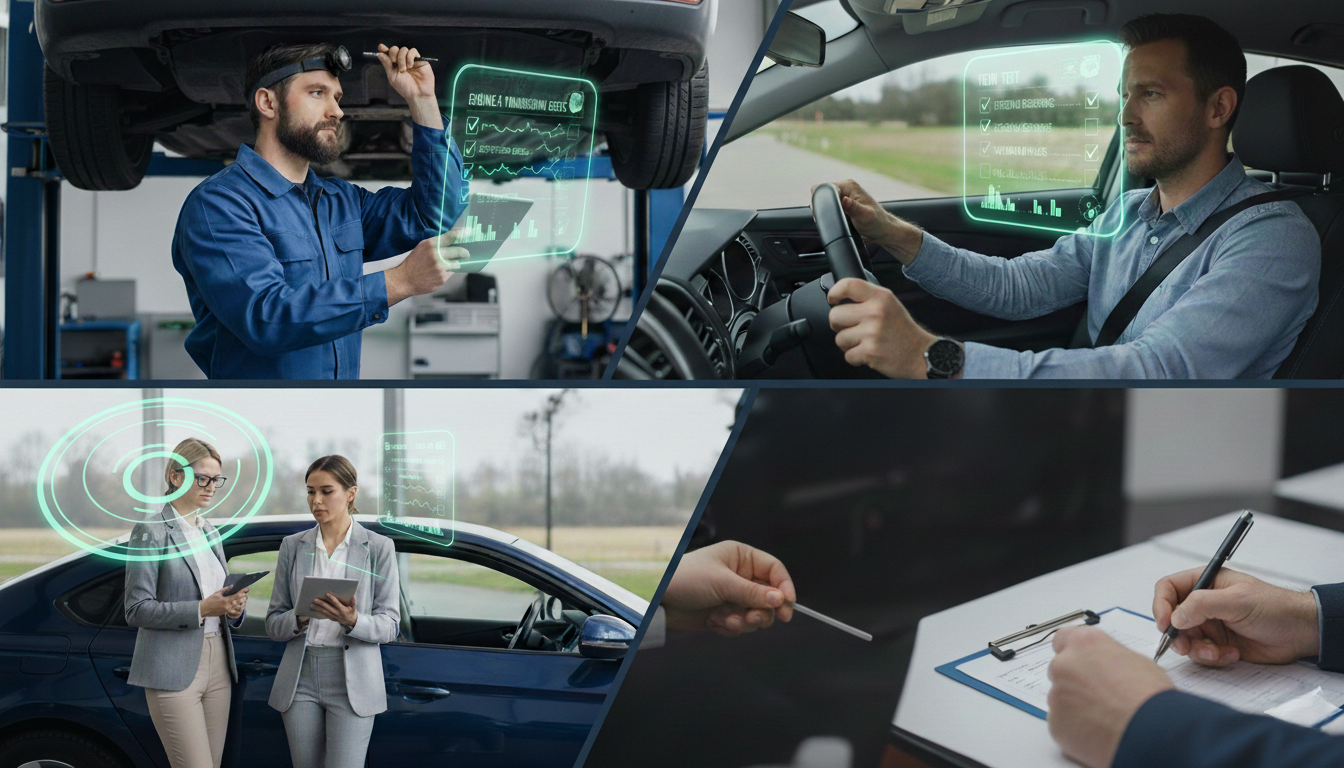
What should an inspection cover when buying a used car?
An inspection when buying a used car should be comprehensive and follow a checklist that includes engine wear, transmission operation, brake condition, suspension, body panels, and fluid levels like transmission fluid and oil. A proper pre-purchase inspection or used car inspection evaluates both visible wear and tear and components that affect long-term value and repair costs. The goal is to identify red flags that could lead to expensive repairs down the road.
Key parts of the car to inspect include the odometer for mileage, service records to confirm regular oil changes and scheduled maintenance, and the vehicle identification number (VIN) to cross-check the vehicle history report. If you’re buying from a dealership, ask about certified pre-owned vehicles and their inspection checklist; if buying from a private seller, insist on a pre-purchase inspection from an independent mechanic to get peace of mind.
How much does mileage on the odometer matter for wear and tear?
Mileage is one of the most important indicators of potential wear and tear and should be weighed alongside service history and the vehicle’s age. High mileage on the odometer can indicate more engine wear, potential transmission stress, and greater likelihood of worn parts like brakes, power steering components, and suspension bushings. However, a well-maintained used vehicle with many miles and detailed service records can be a better buy than a low-mileage car with missing maintenance.
When evaluating mileage and age, consider the car’s intended use and long-term value. Lower mileage often means less wear and tear and higher resale value, but consistent oil changes, timely repairs, and a clean vehicle history report can offset higher mileage. Always compare mileage to the service history and ask the seller about previous long trips or commercial use, which can accelerate wear.
Why should I get a vehicle history report when shopping for a used car?
A vehicle history report is critical when shopping for a used car because it reveals the car’s past, including accidents, title issues, odometer discrepancies, and service history entries. This report helps you know what to look for in a used vehicle and whether a car passes basic checks for damage or inconsistent mileage on the odometer. Use the VIN to obtain a comprehensive vehicle history report before committing to a test drive or pre-purchase inspection.
While a vehicle history report doesn’t replace a hands-on inspection by a mechanic, it complements the inspection by highlighting red flags such as flood damage, salvage titles, or repeated repairs. If the report shows frequent repairs or major accidents, expect lower resale value and potentially higher repair costs down the road. Ask the seller to clarify any entries and request service records to corroborate the report’s findings.
How do service records and service history affect buying a used vehicle?
Service records and service history are proof of a vehicle’s maintenance and are among the most persuasive indicators of a well-maintained used vehicle. Detailed records that show regular oil changes, scheduled maintenance, and documented repairs reduce the uncertainty about engine wear, transmission health, and overall longevity. When a car has a full service history, buyers can trust that the vehicle received consistent care and is less likely to hide deferred maintenance issues.
When reviewing service history, look for patterns such as recurring issues or missed recommended services. Check for recent major repairs that may have reset the car’s reliability, and verify receipts for parts like brakes, tires, and timing belt replacements. A car with clear service records often offers peace of mind and better long-term value compared to a similar vehicle with no documentation.
What red flags should a mechanic look for during a pre-purchase inspection?
A mechanic conducting a pre-purchase inspection will check for red flags including leaks (oil, coolant, transmission fluid), excessive smoke from the exhaust, inconsistent transmission shifts, uneven tire wear, damaged body panels, and unusual noises from the engine or suspension. These warning signs can indicate deeper problems such as engine wear, transmission failure, or past accident repairs that may affect long-term reliability and resale value.
Other red flags to note during an inspection before buying a used car include mismatched paint on body panels (possible repairs after a collision), a spongy brake pedal or grinding brakes, electrical issues with advanced safety systems, and a mismatched VIN on parts. If the car exhibits multiple red flags, consider walking away or negotiating a lower price to cover potential repair costs.
How should I interpret leaks, fluid levels, and transmission fluid condition?
Leaking fluids are immediate indicators of potential repair needs. Check under the vehicle for fresh puddles and inspect fluid levels during the pre-purchase inspection. Engine oil should be clean and at the correct level; frequent oil changes documented in service records are a good sign. Transmission fluid color and smell also matter: a healthy transmission fluid is reddish and clean, while dark, burnt-smelling fluid can indicate transmission wear or impending failure.
Fluid levels and transmission fluid inspections are part of due diligence when buying a used car. Low or dirty fluids suggest neglect and possible costly repairs down the road. Ask the seller about recent oil changes, power steering service, and any transmission work. If unsure, have a trusted mechanic perform a full fluid inspection to avoid surprises after purchase.
What should I look for when I test drive a pre-owned vehicle?
A test drive is essential to evaluate how the car performs in real-world conditions and to detect issues a visual inspection might miss. When you drive the car, pay attention to how it starts, idles, accelerates, and shifts—any hesitation, clunking, or slipping in the transmission are red flags. Test the brakes for responsiveness and listen for grinding or squealing, and note if the steering feels tight or if there’s play indicating power steering or suspension issues.
During the test drive, try different driving conditions: city streets, highway speeds, and parking maneuvers. Check for unusual vibrations, alignment drift, and noises from wheel wells that could point to worn suspension parts or brakes. Also inspect interior details like floor mats, instrument cluster warnings, and the odometer reading to align with the vehicle history report and service records.
Is buying from a dealership safer than buying from a private seller?
Buying from a dealership can provide added protections such as dealer inspections, certified pre-owned options, financing, and sometimes limited warranties. Dealerships often maintain service history and may perform pre-purchase inspections to prepare every used vehicle for sale. For buyers who prefer more assurance and used car finance options, purchasing from a reputable used car dealership or car dealership can provide more structure and recourse than buying from a private seller.
However, buying from a private seller can yield better prices if you’re buying a used car with transparent service records and the car passes a pre-purchase inspection. Whether you’re buying from a dealership or buying from a private seller, prioritize a thorough inspection, a vehicle history report, and, when possible, a certified pre-owned vehicle that reduces the risk of hidden problems and ensures better peace of mind.
How do repair costs and long-term value affect my buying decision?
Repair costs and long-term value should heavily influence your purchasing decision. Estimate potential repairs based on the car’s age, mileage, and known issues. Parts of the car that commonly fail—transmission, brakes, power steering, timing belt—can be expensive to fix and should be factored into the total ownership cost. A car with documented, timely repairs and lower wear and tear typically yields less unexpected repair costs and better resale value.
Consider long-term value and resale value when comparing similar models. Vehicles with strong service history, lower mileage on the odometer, and fewer prior repairs are more desirable and retain value longer. A thorough inspection before buying a used vehicle uncovers likely repairs down the road and helps you negotiate a price that reflects the car’s condition and future expenses.
What questions should I ask the seller when buying a used car?
Asking the right questions helps you know exactly what you’re getting and spot inconsistencies. Key questions include: Can you provide service records? Has the vehicle had any major repairs or accidents? Why are you selling? How long have you owned the car? Has the car passed emissions and recent safety inspections? These questions help reveal the car’s past and whether the seller has been diligent in maintenance.
Also ask about specific items on your checklist: When were the oil changes done? Has the transmission been serviced? Are there known leaks or dashboard warnings? If buying from a dealership, inquire about warranty options, certified pre-owned status, and available used car finance. When buying from a private seller, request a pre-purchase inspection and verify the vehicle identification number on the title and vehicle to prevent title fraud or odometer tampering.
How can I negotiate a fair price based on wear and tear findings?
Use inspection findings, vehicle history report details, and estimated repair costs to negotiate a fair price. If the inspection uncovers issues like worn brakes, leaks, or pending transmission work, request a price reduction that covers immediate repairs and a reasonable buffer for unforeseen problems. Provide receipts or quotes from mechanics to support your offer and be prepared to walk away if the seller won’t negotiate on a car with significant red flags.
When negotiating, consider the car’s long-term value and resale prospects. A well-documented, well-maintained car commands a higher price, while a vehicle with repair needs should be priced lower to reflect those costs. Whether you’re buying from a dealership or a private seller, smart buyers use inspection results and service history to make a rational purchasing decision.
What are the benefits of certified pre-owned vehicles versus every used vehicle?
Certified pre-owned vehicles often come with a dealer-backed inspection, extended warranty, and a documented service history, which can provide extra peace of mind compared to every used vehicle. Certified programs typically include multi-point inspections, reconditioning, and sometimes vehicle history guarantees that reduce the risk of hidden problems. For buyers prioritizing lower risk and used car finance options, certified cars can be an attractive choice.
However, certified pre-owned vehicles often cost more up front. If you’re comfortable performing due diligence—order a vehicle history report, schedule a pre-purchase inspection, and verify service records—you can find excellent value buying from a private seller or a used car dealership that offers inspected but non-certified vehicles. The key is making sure the car passes a thorough inspection and aligns with your budget and long-term needs.
Conclusion
The smart buyer’s guide to evaluating vehicle wear and tear equips car buyers with the checklist, questions, and strategies needed to make an informed decision. From ordering a vehicle history report and verifying service records to performing a pre-purchase inspection and test driving the car, each step reduces risk and clarifies the true condition of the car you’re buying. Pay attention to mileage, leaks, transmission and engine condition, and documented repairs to understand repair costs and long-term value.
Whether you’re buying a used vehicle from a private seller or purchasing from a dealership, due diligence—inspection before buying a used vehicle, checking the odometer, and asking the seller for receipts—gives you peace of mind and helps you know what to look for. For buyers in Newberry, consider trusted local options like Auto-Source of Newberry, a Used Car Dealership in Newberry, SC, which offers a range of used cars for sale and assistance with used car finance. With the right checks and a careful inspection, you can make a smart buying decision and enjoy the benefits of a reliable pre-owned vehicle.
Buying a used car is exciting but risky if you don’t know how to spot red flags during a used car test drive. A careful test drive and inspection can reveal hidden problems, help you avoid costly repairs, and give you peace of mind about your car purchase. This guide helps you inspect, ask the right questions, and use vehicle history reports, pre-purchase inspection services, and trusted mechanics to make a smart choice.
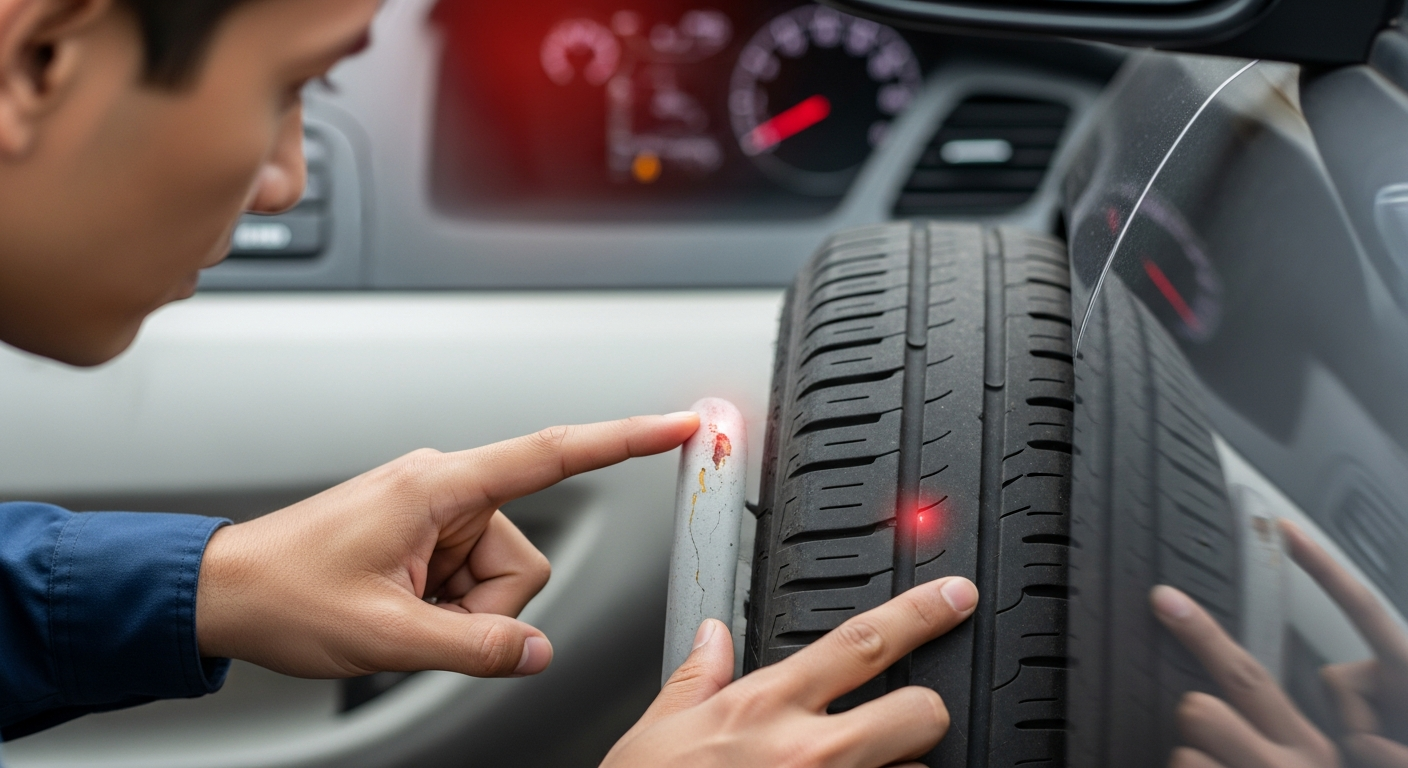
What should you look for during a used car inspection on a test drive?
During a test drive, pay attention to how the car feels and sounds — these are often the first signs of mechanical issues. Start with basic checks: listen for knocking, tapping, or grinding noises that could indicate engine problems, transmission trouble, or worn components. Take note of uneven braking, pulling to one side, or vibration in the steering wheel as these may indicate brake wear, alignment issues, or suspension problems that will require repair.
Check how the vehicle accelerates and shifts; rough or delayed shifts may point to transmission trouble, a major red flag when buying used cars. Also monitor dashboard lights and warning indicators — a persistent check-engine light could indicate anything from a minor sensor to costly repairs. If you spot these warning signs, schedule a pre-purchase inspection with a trusted mechanic before moving forward.
Could unusual noises or smells be a warning sign during a test drive?
Yes — unusual noises and smells are common red flags to watch during a test drive. Burning smells could indicate leaking fluids or clutch issues, while sweet coolant odors may suggest a coolant leak or head gasket problems. Exhaust smells inside the cabin are dangerous and could indicate leaks in the exhaust system or poor sealing, which could be evidence of prior damage or poor maintenance.
Pay attention to smoke from the exhaust: blue smoke could indicate oil burning and internal engine wear, while black smoke may mean a rich fuel mixture or injector issues. Any of these smells could mean costly repairs and are good reasons to request a vehicle history report, VIN check, and a professional inspection before purchasing.
How can you spot rust, body damage, or mismatched paint when inspecting a used vehicle?
Exterior signs like rust, mismatched paint, or uneven panel gaps can indicate prior accidents, water damage, or poor repairs. Look closely at door sills, wheel wells, undercarriage, and trunk edges for corrosion. Rust can spread and lead to costly structural repairs; even surface corrosion can be a negotiating point or a reason to walk away from the deal if extensive.
Mismatched paint or overspray may indicate bodywork after a collision. Check for differences in paint texture and color under consistent daylight, and open doors to inspect paint under the hinges. A vehicle that looks “too good to be true” might have had major repairs. Always cross-check with the vehicle history report or CARFAX and consider a pre-purchase inspection to uncover hidden problems.
What does inconsistent service records or missing vehicle history indicate?
Incomplete service records and gaps in vehicle history are potential red flags when buying a used car. A well-maintained pre-owned vehicle will usually come with documented oil changes, timing belt replacements, and other maintenance items. Missing records could mean the previous owner neglected routine care, which can lead to wear and tear and unforeseen costly repairs.
Request a vehicle history report and VIN check to uncover title issues, accident history, flood damage, or odometer discrepancies. A CARFAX or similar report combined with service records provides peace of mind. If records are inconsistent or missing, insist on a thorough inspection by a trusted mechanic and consider this when negotiating price or walking away from a risky deal.
How do you recognize potential transmission problems during a test drive?
Transmission problems are a major red flag because repairs are expensive. During the test drive, notice if the transmission hesitates, slips, or shifts roughly. Listen for whining, clunking, or grinding sounds when changing gears, and check for any lag when accelerating. These signs may indicate worn clutch components, transmission fluid issues, or internal gearbox damage.
Look under the vehicle after a short drive for transmission fluid leaks and check the fluid level and color if possible — dark, burnt-smelling fluid could indicate neglect or internal damage. If you suspect transmission trouble, request a transmission-specific inspection and include potential costly repairs in your negotiation or walk away if the risk is too high.
Should you check the mileage and wear and tear for consistency with the vehicle’s history?
Mileage and visible wear should line up with the vehicle’s age and service records. Excessively low mileage on an older car or unusually high wear on a low-mileage car are warning signs. Compare the odometer to service records and the vehicle history report to detect possible odometer tampering or undisclosed usage that could indicate hidden problems.
Inspect wear on pedals, steering wheel, and seats — mismatched levels of wear and mileage can suggest previous owners didn’t match the car’s reported use. If something is wrong, such as mismatched wear and reported mileage, get a VIN check and a professional used car inspection for peace of mind before making a purchase.
What should you check under the hood during a used car test drive and inspection?
An under-hood inspection can reveal leaks, corrosion, and signs of poor maintenance. Check oil level and color — dark or milky oil could indicate neglect or coolant mixing due to a head gasket leak. Inspect belts and hoses for cracks and wear, and look for coolant leaks or oil spots that could indicate pending repairs. Corrosion at battery terminals or a dirty engine bay might show the vehicle hasn’t been cared for properly by the previous owner.
Examine transmission fluid and brake fluid levels if accessible. Transmission fluid should be clean and not burnt smelling; coolant should be free of oil contamination. If you spot leaks or evidence of poor maintenance, make a note and arrange for a pre-purchase inspection by a trusted mechanic. These checks can help avoid hidden problems and expensive repairs down the line.
How important is a professional pre-purchase inspection and who should perform it?
A pre-purchase inspection is one of the best investments when shopping for a used car. A qualified mechanic can identify mechanical issues, worn components, or signs of previous damage that may not be obvious during a test drive. Request a full used car inspection that covers engine, transmission, brakes, suspension, electrical systems, and undercarriage for a comprehensive picture.
Choose a trusted mechanic or a dealership offering pre-purchase inspections; reputable used car dealers may work with independent inspectors. Always verify credentials and look for technicians who provide detailed reports with photos and clear findings. A professional inspection provides peace of mind and bargaining power, helping you avoid costly surprises after the purchase.
What does a vehicle history report (like CARFAX) reveal and how should you use it?
A vehicle history report can reveal title status, accident history, service records, and previous owner counts — essential data for car buying. Use the VIN to obtain a CARFAX or similar report and cross-check claims made by the seller. Reports may flag flood damage, salvage titles, or odometer rollbacks that would otherwise be hidden during a casual test drive.
Remember that the vehicle history report is one tool among many: it should be combined with a physical inspection and a mechanic’s pre-purchase inspection. If the report reveals past accidents, frame damage, or inconsistent service records, treat those as red flags to avoid or negotiate accordingly. A clean report plus a quality used car inspection gives you the best chance of buying a reliable used vehicle.
How can you tell if there’s water damage or signs of prior flooding?
Water damage and flood history are major red flags. Look for musty smells, staining on upholstery or carpet, and water lines or silt in the trunk and under the seats. Check for rust in unexpected places like seat brackets, under the dash, and inside the engine bay. Electrical gremlins, malfunctioning electronics, or intermittent dashboard warning lights may also indicate past water damage.
Ask for a vehicle history report and check for flood or salvage titles tied to the VIN. If you suspect water damage, have a trusted mechanic perform a detailed inspection, including testing electrical systems and scanning for corrosion beneath the vehicle. Flooded cars can lead to long-term, costly repairs and are often best avoided when shopping for a used car.
What negotiation and buying steps should you take if you spot red flags during the test drive?
If you spot red flags during a test drive, document them and use that information to negotiate. Obtain a written estimate for necessary repairs from a mechanic or include the cost of a professional inspection in your bargaining. If the red flags are minor and repairable, you may negotiate a lower price or request the dealership address the issues prior to sale.
Walk away if red flags point to major or hidden problems such as transmission failure, frame damage, flood history, or inconsistent VIN records. Protect yourself with a clear purchase agreement, confirm the title is clean, and consider buying from reputable used car dealers or a trusted dealership that offers certified pre-owned vehicles. Always prioritize your needs and budget to avoid costly surprises in your car-buying process.
How do you finalize a safe car purchase to ensure quality used cars for sale meet your expectations?
Before finalizing, double-check the VIN on the car matches all paperwork and the vehicle history report. Confirm that service records, title status, and any promised repairs are documented. If buying from a dealership, ask about warranties, certified pre-owned programs, and after-sale support. If the car is being sold privately, insist on a bill of sale and verify there are no liens on the title.
Consider financing options and used car finance terms carefully — shop competitive rates and understand total costs. Use your inspection findings to make an informed offer or walk away if the vehicle raises too many red flags. A final professional inspection can provide the last bit of peace of mind so you’re confident the car fits your needs and budget.
Conclusion
How to Spot Red Flags During a Used Car Test Drive is an essential checklist for anyone buying used cars. By paying attention to noises and smells, checking for rust and mismatched paint, reviewing service records, and obtaining a vehicle history report like CARFAX, you can uncover warning signs that may indicate costly repairs. Always include a professional pre-purchase inspection and VIN verification in your car-buying process to protect yourself from hidden issues and to ensure a reliable used vehicle.
When shopping for a used car, prioritize inspections, trusted mechanics, and transparent documentation to make a smart car purchase. If you’re in Newberry and looking for a reputable option, consider Auto-Source of Newberry, a Used Car Dealership in Newberry, SC that offers a selection of used cars for sale, trained staff, and resources for used car finance. Working with reliable used car dealers and getting a thorough used car inspection will help you avoid costly repairs and give you confidence in your pre-owned purchase.
What should I listen for during a test drive?
Listen for unusual engine noises (knocks, rattles), grinding brakes, or whining from the transmission—these often indicate mechanical issues.
How do I check for alignment or suspension problems?
Drive on a straight road to see if the car pulls to one side and test over bumps for excessive bouncing or clunking, which signal alignment or suspension trouble.
What interior or electronic red flags should I watch for?
Test all switches, lights, HVAC, infotainment, and power accessories—malfunctioning electronics or water damage smells can indicate costly repairs.
How important is examining fluids and leaks after the drive?
Very—check under the car for fresh leaks and the oil/coolant levels and color; milky oil or colored residue suggests serious engine or cooling system problems.
In today’s world, where environmental concerns are at the forefront, the choice of vehicle plays a significant role in reducing one’s carbon footprint. For eco-conscious consumers, buying a used car presents a sustainable alternative to purchasing a new vehicle. This blog delves into the reasons why opting for a used vehicle is not only a smart financial decision but also an eco-friendly choice that contributes to a healthier planet.
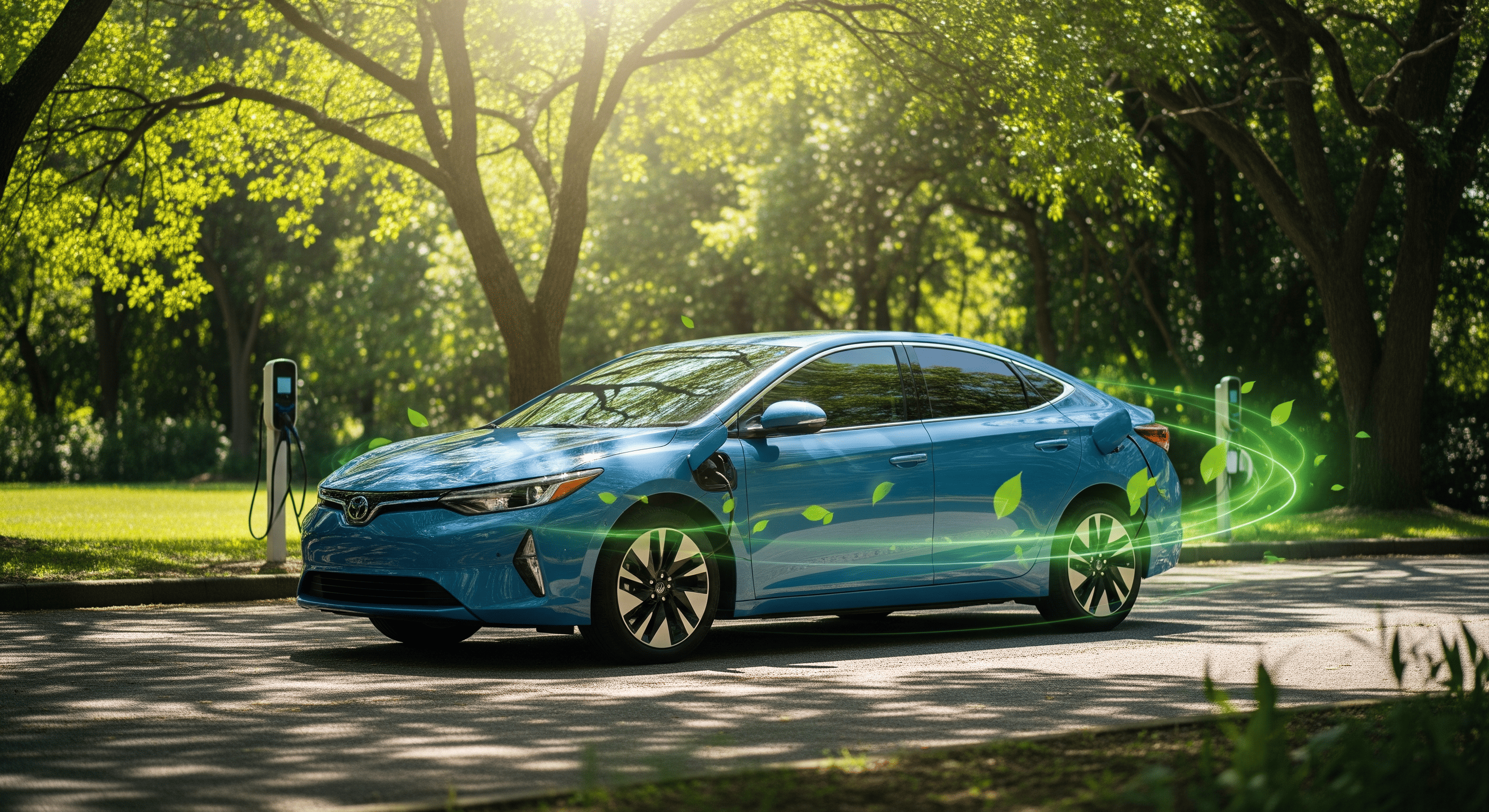
What Are the Environmental Benefits of Buying a Used Car?
Choosing to buy a used car helps reduce the demand for new car production, which is a major contributor to environmental degradation. The manufacturing process of new vehicles consumes vast amounts of resources, including raw materials and energy, leading to increased pollution. By purchasing a pre-owned vehicle, eco-conscious consumers can significantly lower their environmental impact.
Additionally, many used cars have already undergone significant depreciation, which means that the environmental cost of manufacturing a new car is avoided. This contributes to a reduction in overall carbon emissions associated with vehicle production. Hence, the environmental benefits of buying used cars extend beyond just personal savings; they also promote sustainability.
How Does Buying a Used Vehicle Save You Money?
One of the most immediate advantages of buying a used car is the financial savings. Used cars typically have lower purchase prices compared to new vehicles, allowing buyers to get more value for their money. This means that consumers can either purchase a higher-end model or save money for other essential expenses.
Furthermore, used cars have already experienced depreciation, which means that buyers avoid the steep decline in value that occurs as soon as a new car is driven off the lot. This financial advantage makes buying a used car not only a smart choice for eco-conscious consumers but also for those looking to maintain a budget.
Why Is Opting for a Used Car a Sustainable Choice?
Opting for a used car contributes to a sustainable car culture. Each used vehicle on the road represents one less new car that needs to be manufactured, thereby reducing the overall environmental impact associated with new car manufacturing. This choice encourages a cycle of reusing and recycling, which is crucial for conserving resources.
Moreover, many eco-conscious buyers are now looking towards used hybrid or electric vehicles. These options not only provide the environmental benefits of reduced emissions but also often come at a lower price point than new models. By choosing a used hybrid, consumers can enjoy the benefits of eco-friendly technology without the new car price tag.
What Are the Advantages of Buying a Used Car Over a New Car?
There are numerous advantages to purchasing a used car compared to buying a new vehicle. For starters, used cars have already proven their reliability, often backed by extensive consumer reviews and ratings. This transparency in performance allows buyers to make informed decisions.
In contrast, new cars can present uncertainties regarding reliability and performance, as they have not yet been tested by other consumers. Additionally, new car buyers often face higher insurance costs and fees compared to those purchasing used vehicles, adding to the overall expense of owning a new car.
How Does Buying a Used Car Affect Your Carbon Footprint?
The carbon footprint associated with vehicle ownership is a critical factor for eco-conscious consumers. By choosing to buy used cars, individuals can significantly decrease their carbon footprint. The manufacturing of new vehicles is resource-intensive and generates considerable greenhouse gas emissions, contributing to climate change.
When opting for a used car, consumers effectively avoid the emissions produced during the manufacturing process of a new vehicle. This choice not only benefits the individual buyer but also contributes positively to the environment by reducing the overall demand for new car production.
Are There Environmental Benefits of Buying a Used Hybrid or Electric Vehicle?
Buying a used hybrid or electric vehicle offers additional environmental benefits. These vehicles are designed to be more fuel-efficient and produce fewer emissions compared to traditional gasoline-powered cars. By purchasing a used hybrid or electric car, eco-conscious consumers can enjoy the advantages of green technology without the high cost of new models.
Moreover, the production of electric car batteries can be resource-intensive; thus, opting for a used electric vehicle helps mitigate the environmental impact associated with battery manufacturing. This choice aligns with the values of eco-conscious consumers looking for sustainable transportation solutions.
What Are the Benefits of Choosing a Used Vehicle for Your Next Car Purchase?
Choosing a used vehicle for your next car purchase comes with multiple benefits, especially for eco-conscious buyers. Beyond the financial savings and reduced environmental impact, buying a used car often means a wider selection of models and features. Buyers can access vehicles that may no longer be produced, ensuring they find the perfect fit for their needs.
Additionally, many used cars come with warranties or certified pre-owned options, providing peace of mind regarding their condition. This allows buyers to focus on the benefits of buying a used vehicle, knowing that they are making a responsible and smart choice.
How Do Used Car Dealerships Contribute to Sustainability?
Used car dealerships play a vital role in promoting sustainability within the automotive industry. By facilitating the sales of pre-owned vehicles, these dealerships help extend the life of cars on the road, which in turn reduces the demand for new car manufacturing.
Dealerships like Auto-Source of Newberry specialize in providing eco-friendly used cars that cater to the needs of eco-conscious consumers. They ensure that the vehicles are well-maintained and inspected, allowing buyers to make informed decisions while contributing to a sustainable future.
What Should You Consider When Buying a Used Car?
When buying a used car, consumers should consider several factors to ensure they make the best choice. First, researching the vehicle’s history, including previous ownership and maintenance records, is crucial. This information can provide insights into the car’s reliability and overall condition.
Additionally, buyers should assess their budget and consider the total cost of ownership, including insurance, maintenance, and fuel efficiency. Finally, visiting trusted used car dealerships like Auto-Source of Newberry can provide buyers with the confidence that they are making a smart and eco-friendly choice.
How Can Auto Loans Help You Purchase a Used Car?
Auto loans can significantly ease the financial burden associated with purchasing a used car. Many lenders offer favorable terms for used vehicle loans, making it easier for consumers to afford their next car. By securing an auto loan, buyers can spread out the cost of the vehicle over time, allowing for better financial planning.
Moreover, the lower purchase prices of used cars mean that the amount financed is typically less than that of a new car, resulting in lower monthly payments. This financial flexibility makes buying a used car even more appealing for eco-conscious consumers looking to make a sustainable choice.
Why Should Eco-Conscious Consumers Buy Used Cars?
Eco-conscious consumers should buy used cars for several compelling reasons. Firstly, the environmental benefits of buying used vehicles contribute to a sustainable future by reducing the demand for new car production and the associated emissions. Secondly, the financial advantages provide significant savings, allowing consumers to invest in other green initiatives.
Ultimately, purchasing a used car is a smart choice for those who prioritize sustainability and wish to minimize their carbon footprint. With options available at reputable used car dealerships like Auto-Source of Newberry, the process of buying a pre-owned vehicle becomes more accessible and beneficial for both the buyer and the environment.
Points to Remember while Buying a Used Car
When considering purchasing a used car, there are several important factors to keep in mind to ensure you make a smart and informed decision. First, establish your budget. Determine how much you are willing to spend, including taxes, fees, and potential repairs. This will help narrow down your options and prevent overspending.
Next, research the vehicle’s history. Obtain a vehicle history report using the car’s VIN to check for any accidents, title issues, or odometer discrepancies. This information is crucial in assessing the car’s reliability and value.
It’s vital to inspect the car thoroughly. Look for signs of wear and tear, rust, or any mechanical issues. If you’re not confident in your assessment, consider hiring a trusted mechanic to perform a pre-purchase inspection. This can help identify hidden problems that could lead to costly repairs down the line.
Test driving is a must. Pay attention to how the car drives, including its handling, braking, and comfort. This firsthand experience can reveal a lot about the vehicle’s condition and whether it meets your needs.
Lastly, don’t forget to negotiate the price. Use your research and inspection findings to make a reasonable offer. Sellers often expect some negotiation, so be prepared to discuss the price based on the car’s condition and market value.
By keeping these points in mind, you can confidently navigate the process of buying a used car and make a choice that aligns with your eco-conscious values while also being financially responsible.
Conclusion: Why Buying a Used Car is the Smart Choice for Eco-Conscious Consumers
In conclusion, buying a used car is not only a financially savvy decision but also a responsible choice for eco-conscious consumers. By opting for a pre-owned vehicle, buyers can enjoy numerous benefits while actively contributing to a more sustainable future. If you’re in the market for used cars for sale, consider visiting Auto-Source of Newberry, a trusted used car dealership in Newberry, SC, where you can find a variety of vehicles that meet your eco-friendly standards.
Frequently Asked Questions
1. What are the environmental benefits of buying a used car?
Buying a used car helps reduce the demand for new car production, which in turn lowers the carbon footprint associated with manufacturing. This makes purchasing a used vehicle a smart choice for eco-conscious consumers.
2. How does a used car reduce my environmental impact?
Opting for a used car means that you are choosing a vehicle that has already undergone the energy-intensive manufacturing process. This helps in minimizing waste and reducing the overall environmental impact compared to purchasing a new car.
3. Are there financial advantages to buying a used vehicle?
Yes, buying a used car is often a smart financial decision. Used cars typically cost less than new vehicles, and they do not depreciate as quickly, allowing eco-conscious buyers to save money while making an eco-friendly choice.
4. What should I consider when choosing a used car for sustainability?
When choosing a used vehicle, consider factors such as its fuel efficiency, emissions ratings, and whether it’s a hybrid or electric car. These aspects contribute to the environmental benefits of buying a used car and help ensure that your car purchase aligns with your eco-conscious values.
5. Why Buying a Used Car is the Smart Choice for Eco-Conscious Consumers
Purchasing a pre-owned vehicle helps to extend the lifecycle of cars that are still functional, thereby reducing the overall demand for new car manufacturing and the associated environmental costs. This makes it a sustainable choice for environmentally conscious consumers.
In today’s fast-paced financial landscape, achieving your financial goals is more crucial than ever. One of the most effective strategies to reach those objectives is by purchasing a used car. This financial move not only provides immediate savings but also long-term financial benefits. In this article, we will explore how buying a used vehicle can assist you in achieving your financial objectives and provide insights into the advantages of buying a pre-owned vehicle.

What Are the Financial Benefits of Buying a Used Car?
Buying a used car offers significant financial advantages compared to a new car. First and foremost is the purchase price; used cars typically cost much less than their new counterparts, allowing you to save money upfront. Additionally, the depreciation of a new car can be steep—losing up to 20% of its value in the first year alone. By opting for a used vehicle, you avoid this initial depreciation hit, making it a smarter financial choice.
Moreover, the financial benefits extend beyond the purchase price. For instance, used cars often come with lower insurance premiums, which can greatly assist you in managing your monthly budget. When you buy used, you can allocate those savings toward achieving your financial goals, such as building an emergency fund or saving for a future investment.
How Can a Used Car Help You Reach Your Financial Goals?
A used car can help you reach your financial goals by providing financial flexibility. With a lower purchase price and reduced insurance costs, you can maintain a healthier cash flow. This financial relief allows you to divert funds toward other priorities, like retirement savings or paying down debts. By choosing a used car, you are making a smart financial move that supports your long-term financial well-being.
Additionally, owning a used car can lead to lower total costs of ownership. Maintenance and repair costs are often predictable and can be budgeted more effectively than the unpredictable costs associated with a new vehicle. This predictability can alleviate financial stress and enable you to focus on your savings goals.
What Are the Advantages of Buying a Used Vehicle?
The advantages of buying a used vehicle extend beyond just financial savings. For one, the car market for used cars is vast, offering a wide range of options to fit different budgets and preferences. This variety means you can find a reliable vehicle that meets your needs without straining your finances.
Moreover, many used cars come with a certified pre-owned (CPO) option, which provides added peace of mind. These vehicles often undergo rigorous inspections and come with warranties, allowing you to enjoy the benefits of car ownership without the financial burden of unexpected repairs.
How Does Insurance Cost Differ for Used Cars Compared to New Cars?
Insurance costs for used cars are generally lower than those for new cars. This is primarily due to the lower market value of used vehicles. When you purchase a used vehicle, your insurance premiums decrease, contributing to your overall savings. This aspect is a crucial factor to consider when evaluating the costs associated with car ownership.
Additionally, many used cars are equipped with safety features that can lower insurance rates further. This means that by opting for a used car, you not only save on the purchase price but also on ongoing costs like insurance, which can support your financial objectives.
What Should You Consider When Financing a Used Car?
Financing a used car can be a more manageable process compared to financing a new vehicle. Lenders often offer competitive interest rates for used car loans, especially if you have a good credit score. To secure the best financing options, it’s essential to shop around and compare rates from different lenders.
When considering financing, be mindful of the loan term as well. A shorter loan term may mean higher monthly payments but less interest paid over the life of the loan. This strategy can ultimately help you achieve your financial goals faster by freeing up funds sooner for other investments.
How Can Buying a Pre-Owned Vehicle Support Your Savings Goals?
Buying a pre-owned vehicle can significantly support your savings goals. By lowering your initial investment and reducing ongoing expenses like insurance and maintenance, you can allocate more money towards savings or other financial priorities. This approach not only fosters financial stability but also encourages a disciplined saving habit.
Furthermore, the funds saved from purchasing a used car can be redirected toward building an emergency fund, investing in retirement accounts, or even saving for a down payment on a home. This flexibility is essential for achieving long-term financial health.
What Are the Long-Term Financial Advantages of Owning a Used Car?
Owning a used car can lead to long-term financial advantages that new car owners may not experience. For instance, the total cost of ownership for a used vehicle is often significantly lower over time. This includes lower depreciation rates, reduced insurance costs, and potentially lower maintenance expenses.
Additionally, as you build equity in your vehicle, you have the option to sell it for a decent amount when it’s time for an upgrade. This can provide a financial cushion for your next car purchase, further supporting your journey toward financial freedom.
How Do Used Cars Offer Financial Flexibility?
Used cars offer unparalleled financial flexibility. With lower upfront costs and ongoing expenses, you have the freedom to manage your budget more effectively. This flexibility is essential for anyone looking to reach their financial goals without compromising their lifestyle.
Moreover, owning a used car allows you to take advantage of market trends. If you decide to sell your vehicle, you can do so without facing severe financial losses due to depreciation, which is a common issue with new cars. This flexibility can be a game-changer for those pursuing financial objectives.
Why Is Choosing a Used Car a Smart Financial Move?
Choosing a used car is a smart financial move for numerous reasons. It allows you to avoid the steep depreciation that comes with new cars, providing immediate savings. Additionally, the lower purchase price and reduced insurance costs make it easier to manage your finances effectively.
Furthermore, the extensive selection of used cars enables you to find a vehicle that meets your needs without overspending. This thoughtful approach to car ownership not only supports your current financial situation but also positions you for future financial success.
Where Can You Find Quality Used Cars for Sale?
Finding quality used cars for sale is easier than ever with the rise of online platforms and local dealerships. Researching reputable used car dealerships is essential. Look for those with positive reviews and a solid reputation for customer service.
Additionally, consider visiting local dealerships like Auto-Source of Newberry. As a trusted used car dealer in Newberry, SC, they offer a wide selection of pre-owned vehicles that can assist you in achieving your financial objectives. Their knowledgeable staff can guide you through the purchasing process, ensuring you make a smart financial decision.
- Lower purchase price
- Reduced insurance premiums
- Less depreciation
- Financial flexibility
- Long-term financial advantages
In conclusion, purchasing a used car is not just a financial decision; it is a strategic move toward achieving your financial goals. With lower costs, reduced insurance premiums, and the ability to allocate funds for savings or investments, buying a used vehicle can significantly enhance your financial well-being. If you’re considering your next car purchase, visit Auto-Source of Newberry, where you can explore the many benefits of buying a used car and start on the path to financial freedom.
Newberry today to discover the benefits of buying a used car and find your dream car!