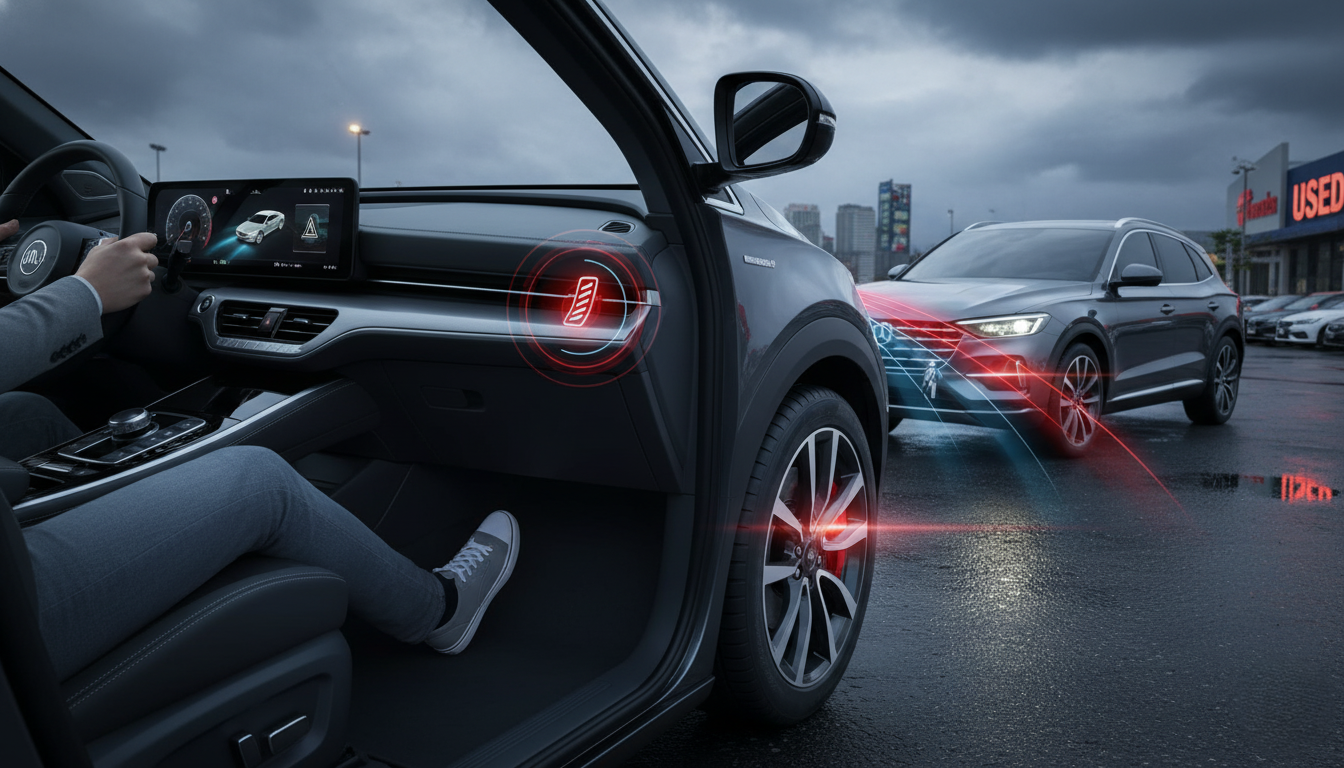
Advanced braking systems are a cornerstone of vehicle safety in modern cars and a crucial consideration for buyers shopping for used cars. From anti-lock braking systems (ABS) to automatic emergency braking (AEB), these safety features reduce stopping distance, prevent wheel lockup, and help avoid collisions. Whether you’re comparing new cars and today’s vehicles or inspecting a pre-owned SUV or hybrid, understanding how these systems work is essential to informed buying decisions and safer driving.
How does an automatic emergency braking system (AEB) detect a potential collision?
AEB systems use sensors — typically radar, cameras, or lidar — to detect a potential collision ahead. When the system detects a slower vehicle, pedestrian, or obstacle in the vehicle’s path, the automatic emergency braking system warns the driver with audio-visual alerts and prepares the hydraulic and electronic braking system to apply the brakes if the driver doesn’t react.
Modern AEB systems are often integrated with forward collision warning and other driver assistance safety technologies. These systems help reduce stopping distance in emergency situations and are increasingly standard equipment in new vehicles and many modern used cars, adding a significant layer of vehicle safety for drivers and passengers.
What role do anti-lock braking systems (ABS) play in modern brake systems?
Anti-lock braking systems prevent wheels from locking during hard braking by modulating brake pressure at each wheel. The anti-lock system detects rapid deceleration that would cause wheel lockup and adjusts brake force so the driver can maintain steering control. This stability control and traction control integration enhance stopping power and prevent the vehicle from skidding.
ABS is a foundation for advanced braking technologies such as electronic stability control and brake assist. In used car inspections, confirm the anti-lock brakes operate without warning lights on the dash, and review service records for any ABS sensor or hydraulic system repairs to ensure optimal braking performance.
How does brake assist improve emergency braking performance?
Brake assist systems detect a driver’s rapid press of the brake pedal — often indicating panic or hard braking — and instantly increase brake pressure to maximize braking power. This system helps when a driver doesn’t apply the brakes hard enough in emergency situations, allowing the vehicle to achieve stronger brake force and shorter stopping distance.
Brake assist works alongside ABS and automatic braking systems to amplify braking power during critical moments. When evaluating used cars for sale, verify that brake assist indicators and related safety systems are functioning correctly to maintain optimal safety technologies and highway safety standards.
How do sensors and forward collision warning work together with automatic braking?
Forward collision warning (FCW) uses the same sensors as AEB to detect a potential collision and delivers alerts to prompt the driver to react. If the driver fails to respond, the automatic emergency braking system or automatic braking systems will apply the brakes. This layered approach—detect, warn, then intervene—reduces the likelihood of a collision and can save lives.
Systems use camera and radar fusion to better detect pedestrians, cyclists, and vehicles across different speeds and lighting conditions. When shopping for a used car, check whether the vehicle includes FCW and AEB, and whether a certification from IIHS or NHTSA mentions the model’s automatic emergency braking system performance.
What maintenance should be done to ensure a vehicle’s advanced braking system works properly?
Routine maintenance is crucial for optimal braking performance. This includes checking brake pads, rotors, calipers, brake fluid, and the hydraulic system. Replace worn brake pads and resurface or replace rotors when they show wear. Changing brake fluid at manufacturer-recommended intervals preserves hydraulic system integrity and brake pressure responsiveness.
Also inspect sensors and wiring associated with AEB and ABS systems for corrosion or damage. If a warning light indicates an issue with anti-lock braking systems, electronic stability control, or AEB, have a qualified technician diagnose and repair it. For buyers of used cars, request maintenance records to confirm the brake system has been properly serviced.
How do modern braking systems handle pedestrians and cyclists?
Advanced safety systems in modern vehicles increasingly detect pedestrians and cyclists. Automatic emergency braking systems and forward collision warning algorithms are tuned to recognize pedestrian shapes and motion patterns, prompting warnings or automatic braking to prevent collisions. These capabilities vary across models and years, so understanding the specific AEB systems in a used car is important.
The National Highway Traffic Safety Administration (NHTSA) and Insurance Institute for Highway Safety (IIHS) test vehicle AEB performance, including pedestrian detection. When evaluating used cars, consider models with proven automatic emergency braking system effectiveness for pedestrian protection to enhance vehicle safety in urban and suburban driving.
Can advanced braking systems be retrofitted into older used cars?
Some after-market systems can add basic automatic braking or forward collision warning to older vehicles, but they rarely match factory-integrated AEB and anti-lock braking systems. Factory systems are tied into the vehicle’s ABS, traction control, and stability control for seamless operation. Retrofitted systems may offer limited functionality and require calibration to the vehicle’s braking and sensor systems.
For buyers seeking modern brake and safety features, choosing a used car that already includes advanced braking technologies is often more reliable than retrofit options. Verify system compatibility, calibration requirements, and whether installation affects existing warranties or vehicle electronics.
How do braking components like calipers, rotors, and pads influence stopping distance?
Brake pads, rotors, and calipers are the mechanical heart of the brake system. Worn pads reduce friction and increase stopping distance. Warped or thin rotors diminish the brake surface area and braking power, while sticking calipers can cause uneven braking and overheating. Maintaining these components maintains braking power and optimal braking performance.
Inspect brake pads for remaining thickness, check rotors for grooves or warping, and confirm calipers move freely. For used car buyers, a pre-purchase inspection should include a brake system evaluation and, if necessary, replacement of pads or resurfacing rotors to restore effective braking and safety technologies.
What safety standards and ratings should buyers check for automatic braking systems?
Buyers should consult NHTSA and IIHS ratings when comparing models for AEB and related systems. IIHS provides evaluations on crash avoidance and forward collision prevention, while NHTSA lists safety technologies and recalls. High ratings often reflect robust system detection and braking response in emergency scenarios.
Also research whether the specific trim or model year had AEB as standard equipment. Some new vehicles added automatic emergency braking system options over time, so a used car might not include the same standard safety systems as new cars. Use safety ratings to prioritize models with strong automatic braking performance.
How can drivers get the most out of advanced braking technologies in their used cars?
Understand how the system works and what it can and can’t do. AEB and related driver assistance technologies augment driver actions but do not replace attentive driving. Always keep a safe following distance, maintain brakes and sensors, and avoid overreliance on automatic systems. The driver presses the brake pedal when needed, but systems apply the brakes when the driver doesn’t in emergency scenarios.
Practice awareness of the vehicle’s behavior in different weather and road conditions. Advanced braking technologies, including anti-lock and stability control, improve highway safety and stopping power, but heavy rain, snow, or poor sensor visibility can reduce effectiveness. Regular maintenance and informed driving maximize the benefits of modern brake systems.
How should used car buyers evaluate advanced braking features before purchase?
When inspecting a used car, test the braking feel under safe conditions, check for ABS and AEB warning lights, and review owner manuals to confirm which safety features are installed. Ask for maintenance records for brake fluid changes, pad replacements, and any sensor or hydraulic system repairs. A professional pre-purchase inspection should include diagnostics of anti-lock braking systems and sensors.
Use a checklist: confirm presence of automatic emergency braking, forward collision warning, ABS, brake assist, and stability control. Verify NHTSA/IIHS ratings for the model/year and ask the seller or dealership about any recalls related to braking systems. These steps ensure you buy a vehicle with reliable stopping power and advanced safety technologies.
Summary
Understanding advanced braking systems in modern used cars — from automatic emergency braking and AEB systems to anti-lock brakes, brake assist, and hydraulic components — is essential for buyers focused on vehicle safety. These systems work together to detect potential collisions, warn the driver, and apply the brakes when necessary, reducing stopping distance and preventing wheel lock during emergency situations. Regular maintenance of brake pads, rotors, calipers, and brake fluid preserves braking power and ensures optimal braking performance.
When shopping for used cars for sale, prioritize models with strong AEB, forward collision warning, and verified NHTSA or IIHS ratings. Have the brake system inspected, check for service records, and confirm that sensors and electronic stability control are functioning. For local buyers, consider trusted used car dealerships like Auto-Source of Newberry; Auto-Source of Newberry is a Used Car Dealership in Newberry, SC offering certified pre-owned selections and support with used car finance. Working with reputable used car dealers helps you find safer, well-maintained vehicles backed by knowledgeable staff and transparent records.
FAQs: Understanding Advanced Braking Systems in Modern Used Cars
1. What are the common types of advanced braking systems found in modern used cars?
Most used cars include ABS (anti-lock braking), ESC (electronic stability control), brake assist, and electronic parking brakes.
2. How can I tell if an advanced braking system is functioning properly on a used car?
Check for warning lights on the dash, listen for unusual noises during braking, test ABS by a controlled hard stop, and review service records for system maintenance.
3. Do advanced braking systems increase maintenance costs on used cars?
They can add moderate repair or sensor replacement costs, but regular maintenance and diagnostics usually keep expenses predictable.
4. Are advanced braking systems worth it when buying a modern used car?
Yes—these systems improve safety, reduce accident risk, and often increase resale value, making them a worthwhile feature in used cars.
Buying a used car is a smart way to get value, but it comes with the responsibility of evaluating wear and tear before you sign. This smart buyer’s guide to evaluating vehicle wear and tear explains what to inspect, how to read a vehicle history report, and what to ask the seller so you know exactly what you’re getting. Whether you’re shopping for a used car from a dealership or buying from a private seller, due diligence and a thorough vehicle inspection will help you make a smart, confident purchasing decision.
What should an inspection cover when buying a used car?
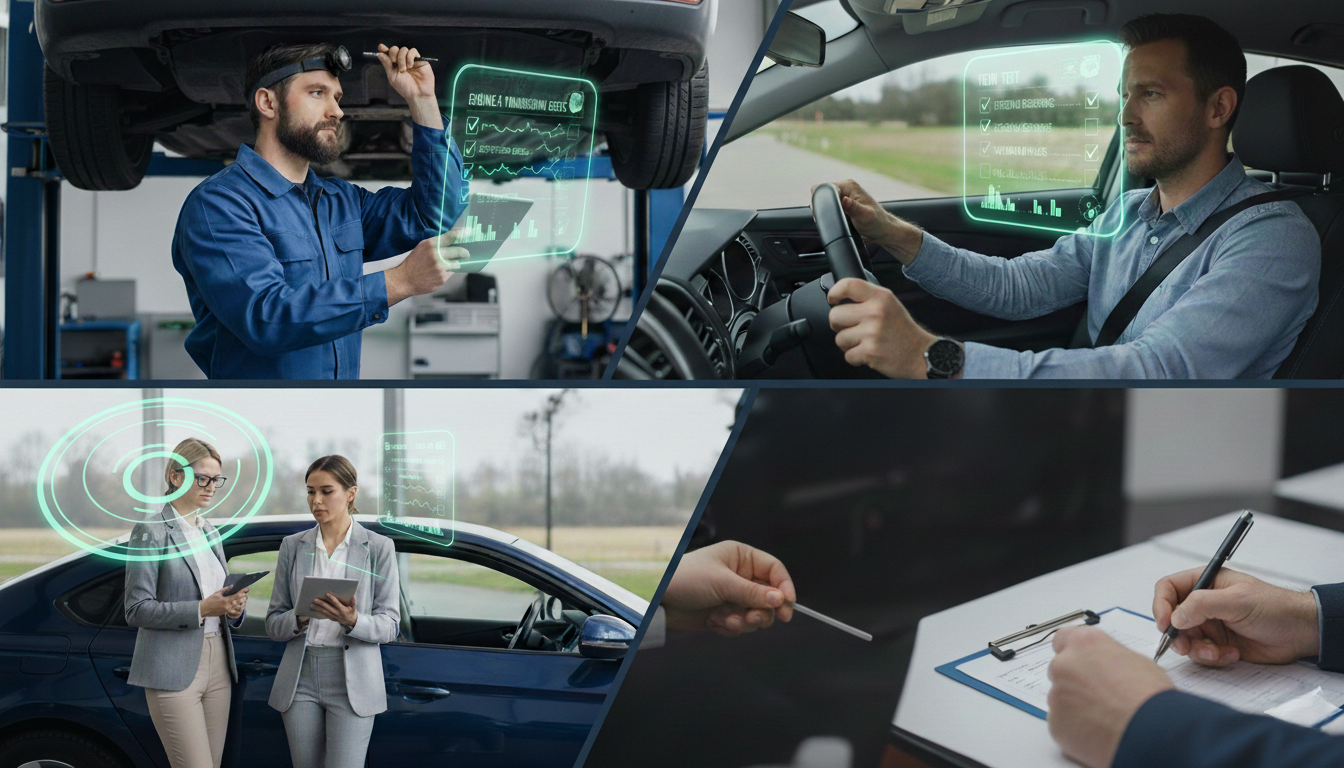
An inspection when buying a used car should be comprehensive and follow a checklist that includes engine wear, transmission operation, brake condition, suspension, body panels, and fluid levels like transmission fluid and oil. A proper pre-purchase inspection or used car inspection evaluates both visible wear and tear and components that affect long-term value and repair costs. The goal is to identify red flags that could lead to expensive repairs down the road.
Key parts of the car to inspect include the odometer for mileage, service records to confirm regular oil changes and scheduled maintenance, and the vehicle identification number (VIN) to cross-check the vehicle history report. If you’re buying from a dealership, ask about certified pre-owned vehicles and their inspection checklist; if buying from a private seller, insist on a pre-purchase inspection from an independent mechanic to get peace of mind.
How much does mileage on the odometer matter for wear and tear?
Mileage is one of the most important indicators of potential wear and tear and should be weighed alongside service history and the vehicle’s age. High mileage on the odometer can indicate more engine wear, potential transmission stress, and greater likelihood of worn parts like brakes, power steering components, and suspension bushings. However, a well-maintained used vehicle with many miles and detailed service records can be a better buy than a low-mileage car with missing maintenance.
When evaluating mileage and age, consider the car’s intended use and long-term value. Lower mileage often means less wear and tear and higher resale value, but consistent oil changes, timely repairs, and a clean vehicle history report can offset higher mileage. Always compare mileage to the service history and ask the seller about previous long trips or commercial use, which can accelerate wear.
Why should I get a vehicle history report when shopping for a used car?
A vehicle history report is critical when shopping for a used car because it reveals the car’s past, including accidents, title issues, odometer discrepancies, and service history entries. This report helps you know what to look for in a used vehicle and whether a car passes basic checks for damage or inconsistent mileage on the odometer. Use the VIN to obtain a comprehensive vehicle history report before committing to a test drive or pre-purchase inspection.
While a vehicle history report doesn’t replace a hands-on inspection by a mechanic, it complements the inspection by highlighting red flags such as flood damage, salvage titles, or repeated repairs. If the report shows frequent repairs or major accidents, expect lower resale value and potentially higher repair costs down the road. Ask the seller to clarify any entries and request service records to corroborate the report’s findings.
How do service records and service history affect buying a used vehicle?
Service records and service history are proof of a vehicle’s maintenance and are among the most persuasive indicators of a well-maintained used vehicle. Detailed records that show regular oil changes, scheduled maintenance, and documented repairs reduce the uncertainty about engine wear, transmission health, and overall longevity. When a car has a full service history, buyers can trust that the vehicle received consistent care and is less likely to hide deferred maintenance issues.
When reviewing service history, look for patterns such as recurring issues or missed recommended services. Check for recent major repairs that may have reset the car’s reliability, and verify receipts for parts like brakes, tires, and timing belt replacements. A car with clear service records often offers peace of mind and better long-term value compared to a similar vehicle with no documentation.
What red flags should a mechanic look for during a pre-purchase inspection?
A mechanic conducting a pre-purchase inspection will check for red flags including leaks (oil, coolant, transmission fluid), excessive smoke from the exhaust, inconsistent transmission shifts, uneven tire wear, damaged body panels, and unusual noises from the engine or suspension. These warning signs can indicate deeper problems such as engine wear, transmission failure, or past accident repairs that may affect long-term reliability and resale value.
Other red flags to note during an inspection before buying a used car include mismatched paint on body panels (possible repairs after a collision), a spongy brake pedal or grinding brakes, electrical issues with advanced safety systems, and a mismatched VIN on parts. If the car exhibits multiple red flags, consider walking away or negotiating a lower price to cover potential repair costs.
How should I interpret leaks, fluid levels, and transmission fluid condition?
Leaking fluids are immediate indicators of potential repair needs. Check under the vehicle for fresh puddles and inspect fluid levels during the pre-purchase inspection. Engine oil should be clean and at the correct level; frequent oil changes documented in service records are a good sign. Transmission fluid color and smell also matter: a healthy transmission fluid is reddish and clean, while dark, burnt-smelling fluid can indicate transmission wear or impending failure.
Fluid levels and transmission fluid inspections are part of due diligence when buying a used car. Low or dirty fluids suggest neglect and possible costly repairs down the road. Ask the seller about recent oil changes, power steering service, and any transmission work. If unsure, have a trusted mechanic perform a full fluid inspection to avoid surprises after purchase.
What should I look for when I test drive a pre-owned vehicle?
A test drive is essential to evaluate how the car performs in real-world conditions and to detect issues a visual inspection might miss. When you drive the car, pay attention to how it starts, idles, accelerates, and shifts—any hesitation, clunking, or slipping in the transmission are red flags. Test the brakes for responsiveness and listen for grinding or squealing, and note if the steering feels tight or if there’s play indicating power steering or suspension issues.
During the test drive, try different driving conditions: city streets, highway speeds, and parking maneuvers. Check for unusual vibrations, alignment drift, and noises from wheel wells that could point to worn suspension parts or brakes. Also inspect interior details like floor mats, instrument cluster warnings, and the odometer reading to align with the vehicle history report and service records.
Is buying from a dealership safer than buying from a private seller?
Buying from a dealership can provide added protections such as dealer inspections, certified pre-owned options, financing, and sometimes limited warranties. Dealerships often maintain service history and may perform pre-purchase inspections to prepare every used vehicle for sale. For buyers who prefer more assurance and used car finance options, purchasing from a reputable used car dealership or car dealership can provide more structure and recourse than buying from a private seller.
However, buying from a private seller can yield better prices if you’re buying a used car with transparent service records and the car passes a pre-purchase inspection. Whether you’re buying from a dealership or buying from a private seller, prioritize a thorough inspection, a vehicle history report, and, when possible, a certified pre-owned vehicle that reduces the risk of hidden problems and ensures better peace of mind.
How do repair costs and long-term value affect my buying decision?
Repair costs and long-term value should heavily influence your purchasing decision. Estimate potential repairs based on the car’s age, mileage, and known issues. Parts of the car that commonly fail—transmission, brakes, power steering, timing belt—can be expensive to fix and should be factored into the total ownership cost. A car with documented, timely repairs and lower wear and tear typically yields less unexpected repair costs and better resale value.
Consider long-term value and resale value when comparing similar models. Vehicles with strong service history, lower mileage on the odometer, and fewer prior repairs are more desirable and retain value longer. A thorough inspection before buying a used vehicle uncovers likely repairs down the road and helps you negotiate a price that reflects the car’s condition and future expenses.
What questions should I ask the seller when buying a used car?
Asking the right questions helps you know exactly what you’re getting and spot inconsistencies. Key questions include: Can you provide service records? Has the vehicle had any major repairs or accidents? Why are you selling? How long have you owned the car? Has the car passed emissions and recent safety inspections? These questions help reveal the car’s past and whether the seller has been diligent in maintenance.
Also ask about specific items on your checklist: When were the oil changes done? Has the transmission been serviced? Are there known leaks or dashboard warnings? If buying from a dealership, inquire about warranty options, certified pre-owned status, and available used car finance. When buying from a private seller, request a pre-purchase inspection and verify the vehicle identification number on the title and vehicle to prevent title fraud or odometer tampering.
How can I negotiate a fair price based on wear and tear findings?
Use inspection findings, vehicle history report details, and estimated repair costs to negotiate a fair price. If the inspection uncovers issues like worn brakes, leaks, or pending transmission work, request a price reduction that covers immediate repairs and a reasonable buffer for unforeseen problems. Provide receipts or quotes from mechanics to support your offer and be prepared to walk away if the seller won’t negotiate on a car with significant red flags.
When negotiating, consider the car’s long-term value and resale prospects. A well-documented, well-maintained car commands a higher price, while a vehicle with repair needs should be priced lower to reflect those costs. Whether you’re buying from a dealership or a private seller, smart buyers use inspection results and service history to make a rational purchasing decision.
What are the benefits of certified pre-owned vehicles versus every used vehicle?
Certified pre-owned vehicles often come with a dealer-backed inspection, extended warranty, and a documented service history, which can provide extra peace of mind compared to every used vehicle. Certified programs typically include multi-point inspections, reconditioning, and sometimes vehicle history guarantees that reduce the risk of hidden problems. For buyers prioritizing lower risk and used car finance options, certified cars can be an attractive choice.
However, certified pre-owned vehicles often cost more up front. If you’re comfortable performing due diligence—order a vehicle history report, schedule a pre-purchase inspection, and verify service records—you can find excellent value buying from a private seller or a used car dealership that offers inspected but non-certified vehicles. The key is making sure the car passes a thorough inspection and aligns with your budget and long-term needs.
Conclusion
The smart buyer’s guide to evaluating vehicle wear and tear equips car buyers with the checklist, questions, and strategies needed to make an informed decision. From ordering a vehicle history report and verifying service records to performing a pre-purchase inspection and test driving the car, each step reduces risk and clarifies the true condition of the car you’re buying. Pay attention to mileage, leaks, transmission and engine condition, and documented repairs to understand repair costs and long-term value.
Whether you’re buying a used vehicle from a private seller or purchasing from a dealership, due diligence—inspection before buying a used vehicle, checking the odometer, and asking the seller for receipts—gives you peace of mind and helps you know what to look for. For buyers in Newberry, consider trusted local options like Auto-Source of Newberry, a Used Car Dealership in Newberry, SC, which offers a range of used cars for sale and assistance with used car finance. With the right checks and a careful inspection, you can make a smart buying decision and enjoy the benefits of a reliable pre-owned vehicle.
Buying a used car is exciting but risky if you don’t know how to spot red flags during a used car test drive. A careful test drive and inspection can reveal hidden problems, help you avoid costly repairs, and give you peace of mind about your car purchase. This guide helps you inspect, ask the right questions, and use vehicle history reports, pre-purchase inspection services, and trusted mechanics to make a smart choice.
What should you look for during a used car inspection on a test drive?
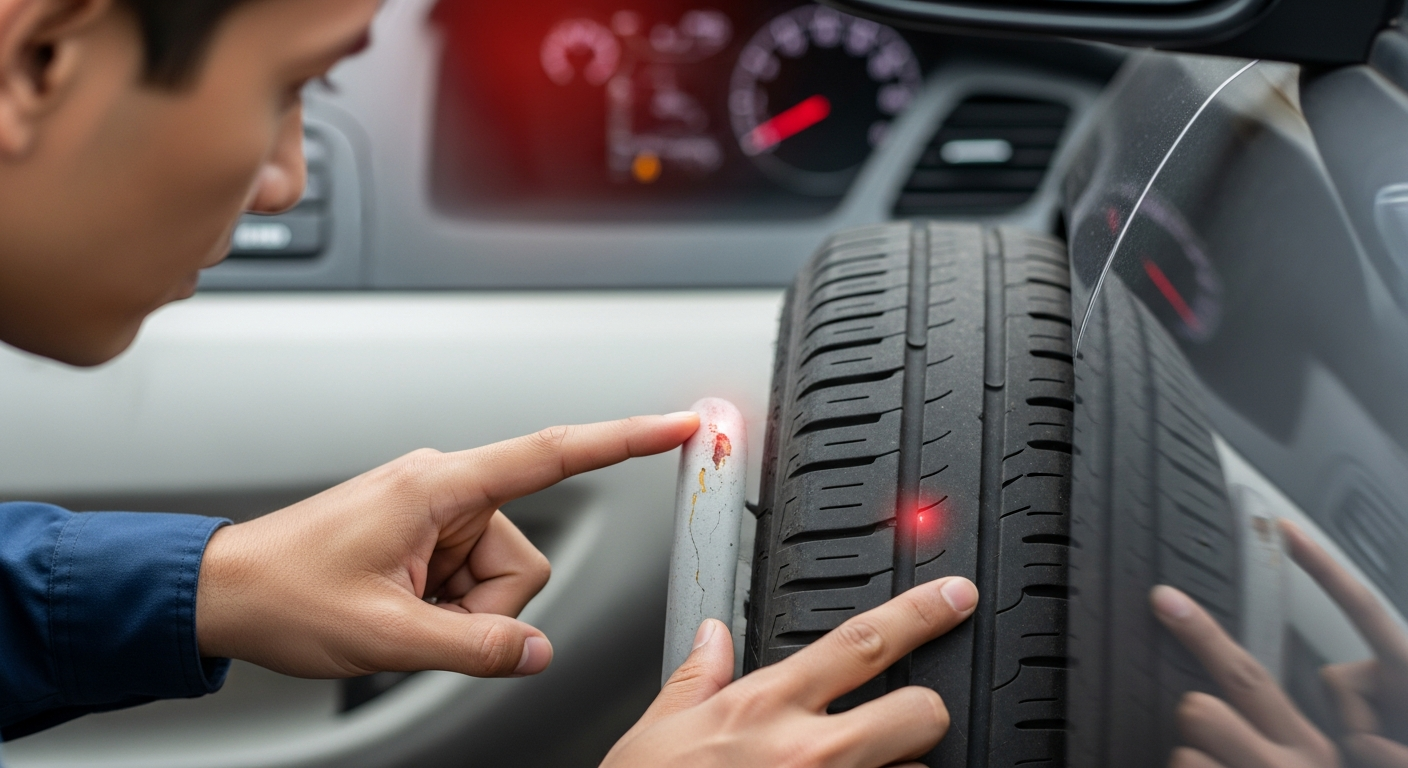
During a test drive, pay attention to how the car feels and sounds — these are often the first signs of mechanical issues. Start with basic checks: listen for knocking, tapping, or grinding noises that could indicate engine problems, transmission trouble, or worn components. Take note of uneven braking, pulling to one side, or vibration in the steering wheel as these may indicate brake wear, alignment issues, or suspension problems that will require repair.
Check how the vehicle accelerates and shifts; rough or delayed shifts may point to transmission trouble, a major red flag when buying used cars. Also monitor dashboard lights and warning indicators — a persistent check-engine light could indicate anything from a minor sensor to costly repairs. If you spot these warning signs, schedule a pre-purchase inspection with a trusted mechanic before moving forward.
Could unusual noises or smells be a warning sign during a test drive?
Yes — unusual noises and smells are common red flags to watch during a test drive. Burning smells could indicate leaking fluids or clutch issues, while sweet coolant odors may suggest a coolant leak or head gasket problems. Exhaust smells inside the cabin are dangerous and could indicate leaks in the exhaust system or poor sealing, which could be evidence of prior damage or poor maintenance.
Pay attention to smoke from the exhaust: blue smoke could indicate oil burning and internal engine wear, while black smoke may mean a rich fuel mixture or injector issues. Any of these smells could mean costly repairs and are good reasons to request a vehicle history report, VIN check, and a professional inspection before purchasing.
How can you spot rust, body damage, or mismatched paint when inspecting a used vehicle?
Exterior signs like rust, mismatched paint, or uneven panel gaps can indicate prior accidents, water damage, or poor repairs. Look closely at door sills, wheel wells, undercarriage, and trunk edges for corrosion. Rust can spread and lead to costly structural repairs; even surface corrosion can be a negotiating point or a reason to walk away from the deal if extensive.
Mismatched paint or overspray may indicate bodywork after a collision. Check for differences in paint texture and color under consistent daylight, and open doors to inspect paint under the hinges. A vehicle that looks “too good to be true” might have had major repairs. Always cross-check with the vehicle history report or CARFAX and consider a pre-purchase inspection to uncover hidden problems.
What does inconsistent service records or missing vehicle history indicate?
Incomplete service records and gaps in vehicle history are potential red flags when buying a used car. A well-maintained pre-owned vehicle will usually come with documented oil changes, timing belt replacements, and other maintenance items. Missing records could mean the previous owner neglected routine care, which can lead to wear and tear and unforeseen costly repairs.
Request a vehicle history report and VIN check to uncover title issues, accident history, flood damage, or odometer discrepancies. A CARFAX or similar report combined with service records provides peace of mind. If records are inconsistent or missing, insist on a thorough inspection by a trusted mechanic and consider this when negotiating price or walking away from a risky deal.
How do you recognize potential transmission problems during a test drive?
Transmission problems are a major red flag because repairs are expensive. During the test drive, notice if the transmission hesitates, slips, or shifts roughly. Listen for whining, clunking, or grinding sounds when changing gears, and check for any lag when accelerating. These signs may indicate worn clutch components, transmission fluid issues, or internal gearbox damage.
Look under the vehicle after a short drive for transmission fluid leaks and check the fluid level and color if possible — dark, burnt-smelling fluid could indicate neglect or internal damage. If you suspect transmission trouble, request a transmission-specific inspection and include potential costly repairs in your negotiation or walk away if the risk is too high.
Should you check the mileage and wear and tear for consistency with the vehicle’s history?
Mileage and visible wear should line up with the vehicle’s age and service records. Excessively low mileage on an older car or unusually high wear on a low-mileage car are warning signs. Compare the odometer to service records and the vehicle history report to detect possible odometer tampering or undisclosed usage that could indicate hidden problems.
Inspect wear on pedals, steering wheel, and seats — mismatched levels of wear and mileage can suggest previous owners didn’t match the car’s reported use. If something is wrong, such as mismatched wear and reported mileage, get a VIN check and a professional used car inspection for peace of mind before making a purchase.
What should you check under the hood during a used car test drive and inspection?
An under-hood inspection can reveal leaks, corrosion, and signs of poor maintenance. Check oil level and color — dark or milky oil could indicate neglect or coolant mixing due to a head gasket leak. Inspect belts and hoses for cracks and wear, and look for coolant leaks or oil spots that could indicate pending repairs. Corrosion at battery terminals or a dirty engine bay might show the vehicle hasn’t been cared for properly by the previous owner.
Examine transmission fluid and brake fluid levels if accessible. Transmission fluid should be clean and not burnt smelling; coolant should be free of oil contamination. If you spot leaks or evidence of poor maintenance, make a note and arrange for a pre-purchase inspection by a trusted mechanic. These checks can help avoid hidden problems and expensive repairs down the line.
How important is a professional pre-purchase inspection and who should perform it?
A pre-purchase inspection is one of the best investments when shopping for a used car. A qualified mechanic can identify mechanical issues, worn components, or signs of previous damage that may not be obvious during a test drive. Request a full used car inspection that covers engine, transmission, brakes, suspension, electrical systems, and undercarriage for a comprehensive picture.
Choose a trusted mechanic or a dealership offering pre-purchase inspections; reputable used car dealers may work with independent inspectors. Always verify credentials and look for technicians who provide detailed reports with photos and clear findings. A professional inspection provides peace of mind and bargaining power, helping you avoid costly surprises after the purchase.
What does a vehicle history report (like CARFAX) reveal and how should you use it?
A vehicle history report can reveal title status, accident history, service records, and previous owner counts — essential data for car buying. Use the VIN to obtain a CARFAX or similar report and cross-check claims made by the seller. Reports may flag flood damage, salvage titles, or odometer rollbacks that would otherwise be hidden during a casual test drive.
Remember that the vehicle history report is one tool among many: it should be combined with a physical inspection and a mechanic’s pre-purchase inspection. If the report reveals past accidents, frame damage, or inconsistent service records, treat those as red flags to avoid or negotiate accordingly. A clean report plus a quality used car inspection gives you the best chance of buying a reliable used vehicle.
How can you tell if there’s water damage or signs of prior flooding?
Water damage and flood history are major red flags. Look for musty smells, staining on upholstery or carpet, and water lines or silt in the trunk and under the seats. Check for rust in unexpected places like seat brackets, under the dash, and inside the engine bay. Electrical gremlins, malfunctioning electronics, or intermittent dashboard warning lights may also indicate past water damage.
Ask for a vehicle history report and check for flood or salvage titles tied to the VIN. If you suspect water damage, have a trusted mechanic perform a detailed inspection, including testing electrical systems and scanning for corrosion beneath the vehicle. Flooded cars can lead to long-term, costly repairs and are often best avoided when shopping for a used car.
What negotiation and buying steps should you take if you spot red flags during the test drive?
If you spot red flags during a test drive, document them and use that information to negotiate. Obtain a written estimate for necessary repairs from a mechanic or include the cost of a professional inspection in your bargaining. If the red flags are minor and repairable, you may negotiate a lower price or request the dealership address the issues prior to sale.
Walk away if red flags point to major or hidden problems such as transmission failure, frame damage, flood history, or inconsistent VIN records. Protect yourself with a clear purchase agreement, confirm the title is clean, and consider buying from reputable used car dealers or a trusted dealership that offers certified pre-owned vehicles. Always prioritize your needs and budget to avoid costly surprises in your car-buying process.
How do you finalize a safe car purchase to ensure quality used cars for sale meet your expectations?
Before finalizing, double-check the VIN on the car matches all paperwork and the vehicle history report. Confirm that service records, title status, and any promised repairs are documented. If buying from a dealership, ask about warranties, certified pre-owned programs, and after-sale support. If the car is being sold privately, insist on a bill of sale and verify there are no liens on the title.
Consider financing options and used car finance terms carefully — shop competitive rates and understand total costs. Use your inspection findings to make an informed offer or walk away if the vehicle raises too many red flags. A final professional inspection can provide the last bit of peace of mind so you’re confident the car fits your needs and budget.
Conclusion
How to Spot Red Flags During a Used Car Test Drive is an essential checklist for anyone buying used cars. By paying attention to noises and smells, checking for rust and mismatched paint, reviewing service records, and obtaining a vehicle history report like CARFAX, you can uncover warning signs that may indicate costly repairs. Always include a professional pre-purchase inspection and VIN verification in your car-buying process to protect yourself from hidden issues and to ensure a reliable used vehicle.
When shopping for a used car, prioritize inspections, trusted mechanics, and transparent documentation to make a smart car purchase. If you’re in Newberry and looking for a reputable option, consider Auto-Source of Newberry, a Used Car Dealership in Newberry, SC that offers a selection of used cars for sale, trained staff, and resources for used car finance. Working with reliable used car dealers and getting a thorough used car inspection will help you avoid costly repairs and give you confidence in your pre-owned purchase.
What should I listen for during a test drive?
Listen for unusual engine noises (knocks, rattles), grinding brakes, or whining from the transmission—these often indicate mechanical issues.
How do I check for alignment or suspension problems?
Drive on a straight road to see if the car pulls to one side and test over bumps for excessive bouncing or clunking, which signal alignment or suspension trouble.
What interior or electronic red flags should I watch for?
Test all switches, lights, HVAC, infotainment, and power accessories—malfunctioning electronics or water damage smells can indicate costly repairs.
How important is examining fluids and leaks after the drive?
Very—check under the car for fresh leaks and the oil/coolant levels and color; milky oil or colored residue suggests serious engine or cooling system problems.
Car financing is an essential aspect of the car buying journey that can significantly impact your overall experience and satisfaction. Whether you’re eyeing a new vehicle or looking for used cars for sale, understanding your financing options is crucial. Smooth rides ahead are not just about the car you choose but also about how you finance it. This blog post will guide you through the various auto loan options available, ensuring that every driver finds the right financing plan for their needs.

What Are the Different Car Financing Options Available?
When it comes to car financing, there are multiple options to consider, including dealer financing, credit union financing, and traditional bank loans. Each option has its own advantages:
- Dealer Financing: This option is convenient as dealerships often offer in-house financing. However, it’s essential to compare interest rates and terms.
- Credit Union Financing: Generally provides lower interest rates and more favorable loan terms for members, making it a great choice for many buyers.
- Bank Loans: Traditional auto loans from banks may offer competitive rates, especially for customers with good credit scores.
Understanding these financing options is the first step in securing a car loan that fits your budget and needs.
How Does Your Credit Score Affect Car Financing?
Your credit score plays a pivotal role in your ability to secure a favorable car loan. Lenders use this score to determine your creditworthiness, influencing the interest rates and terms of your loan.
Here’s how your credit score can affect financing:
- Good Credit: If you have a good credit score, you’ll likely qualify for better loan rates and terms, making your monthly payments more manageable.
- Poor Credit: A lower credit score may result in higher interest rates, potentially increasing your monthly payment significantly.
Improving your credit score before applying for a car loan can help you secure better financing terms.
What Should You Know About Interest Rates?
Interest rates are a critical component of car financing that directly affects your overall cost of the loan. Here’s what you should consider:
- Fixed vs. Variable Rates: Fixed rates remain constant throughout the loan term, while variable rates can fluctuate. Recognizing these distinctions can guide you toward a well-informed choice.
- Current Market Rates: Stay updated on the current market interest rates as they can change frequently and affect your loan options.
Utilizing a car loan calculator can help you estimate your monthly payments based on different interest rates and loan amounts.
How Can You Determine the Right Loan Term for Your Auto Loan?
The loan term is the duration over which you agree to repay your auto loan. Typical loan terms span anywhere from 36 to 72 months. Here’s how to find the right loan term:
- Monthly Payment: A longer loan term typically results in lower monthly payments, but it may also lead to paying more in interest over time.
- Pay Off Your Loan: Consider how quickly you want to pay off your loan. If you prefer to own your car outright sooner, a shorter term may be more suitable.
Using a car loan calculator can help you visualize different terms and their impact on your finances.
What Are the Key Steps in the Car Financing Process?
The car financing process involves several key steps that can help streamline your experience:
- Assess Your Budget: Determine how much you can afford for a down payment and monthly payments.
- Check Your Credit Report: Review your credit report to identify any discrepancies that need addressing.
- Shop for Financing: Compare different financing options from various lenders, including dealerships and credit unions.
Following these steps can simplify the financing process and help you secure the best loan for your next car.
How Can You Use a Car Loan Calculator to Your Advantage?
A car loan calculator is a valuable tool that helps you estimate your monthly payments based on the loan amount, interest rate, and term. Here’s how to use it effectively:
- Input Loan Amount: Start by entering the total amount you wish to finance, whether for a new or used car.
- Estimate Interest Rate: Use current market rates or your pre-approved rate to get a realistic estimate.
- Adjust Loan Term: Play around with different terms to see how they affect your monthly payment.
This tool can help you find a financing plan that fits your budget and ensures you get the car you love.
What to Consider When Buying a Used Car?
Buying a used car can be a cost-effective solution, but there are specific factors to consider:
- Vehicle History: Always obtain a vehicle history report to check for accidents or title issues.
- Inspection: Have a trusted mechanic inspect the car before finalizing your purchase.
Additionally, used car financing options may vary, so it’s essential to explore different financing solutions available for pre-owned vehicles.
Are There Special Financing Programs for Used Cars?
Many dealerships offer special financing programs tailored for used cars. These programs may include:
- In-House Financing: Some dealerships provide in-house financing solutions that can be beneficial if you have poor credit.
- Promotional Rates: Look for dealerships that offer promotional interest rates or incentives for financing a used car.
Researching these options can help you secure a used car loan that meets your financial needs.
How Can You Improve Your Credit Score Before Financing?
Improving your credit score can significantly enhance your car financing options. Here are some strategies:
- Pay Bills on Time: Timely payments can positively impact your credit history.
- Reduce Debt: Lowering your overall debt can improve your credit utilization ratio, boosting your score.
Taking these steps before applying for a car loan can lead to better rates and terms.
What Should You Know About Car Insurance When Financing a Car?
Car insurance is a crucial aspect of car ownership, especially when financing a vehicle. Here’s what to keep in mind:
- Required Coverage: Lenders often require specific coverage types, such as collision and comprehensive insurance.
- Shop for Rates: Compare different insurance providers to find the best rates that fit your budget.
Understanding your insurance requirements is essential to protect your investment and ensure compliance with your financing agreement.
Where Can You Find the Right Used Car Dealership?
Finding the right used car dealership is essential for a smooth car buying experience. Look for dealerships with positive reviews, good customer service, and a wide selection of vehicles. Auto-Source of Newberry, a reputable used car dealership in Newberry, SC, offers a variety of used cars for sale along with helpful financing solutions. Their experienced team can help you find the perfect car and guide you through the used car financing process, ensuring you secure a car loan that meets your needs.
In conclusion, understanding car financing is crucial for every driver, whether you’re looking for a new car or a reliable used vehicle. By exploring different financing options, understanding your credit score, and utilizing tools like loan calculators, you can navigate the car buying process confidently. Remember, a smooth ride ahead begins with the right financing choices.
Frequently Asked Questions
1. What types of car financing options are available?
There are several options including traditional loans, lease agreements, and financing through dealerships. Each has its own benefits and terms.
2. How do I determine my eligibility for car financing?
Your eligibility typically depends on factors like your credit score, income level, and existing debt. Lenders assess these factors to determine your loan terms.
3. Can I get financing with bad credit?
Yes, many lenders offer financing options for individuals with bad credit, though the terms may vary and interest rates might be higher.
4. What do I need to apply for car financing?
You generally need to provide personal identification, proof of income, credit history, and information about the vehicle you wish to purchase.
5. How can I improve my chances of getting approved for financing?
Improving your credit score, reducing existing debt, and having a stable income can increase your chances of getting approved for car financing.
In today’s world, where environmental concerns are at the forefront, the choice of vehicle plays a significant role in reducing one’s carbon footprint. For eco-conscious consumers, buying a used car presents a sustainable alternative to purchasing a new vehicle. This blog delves into the reasons why opting for a used vehicle is not only a smart financial decision but also an eco-friendly choice that contributes to a healthier planet.
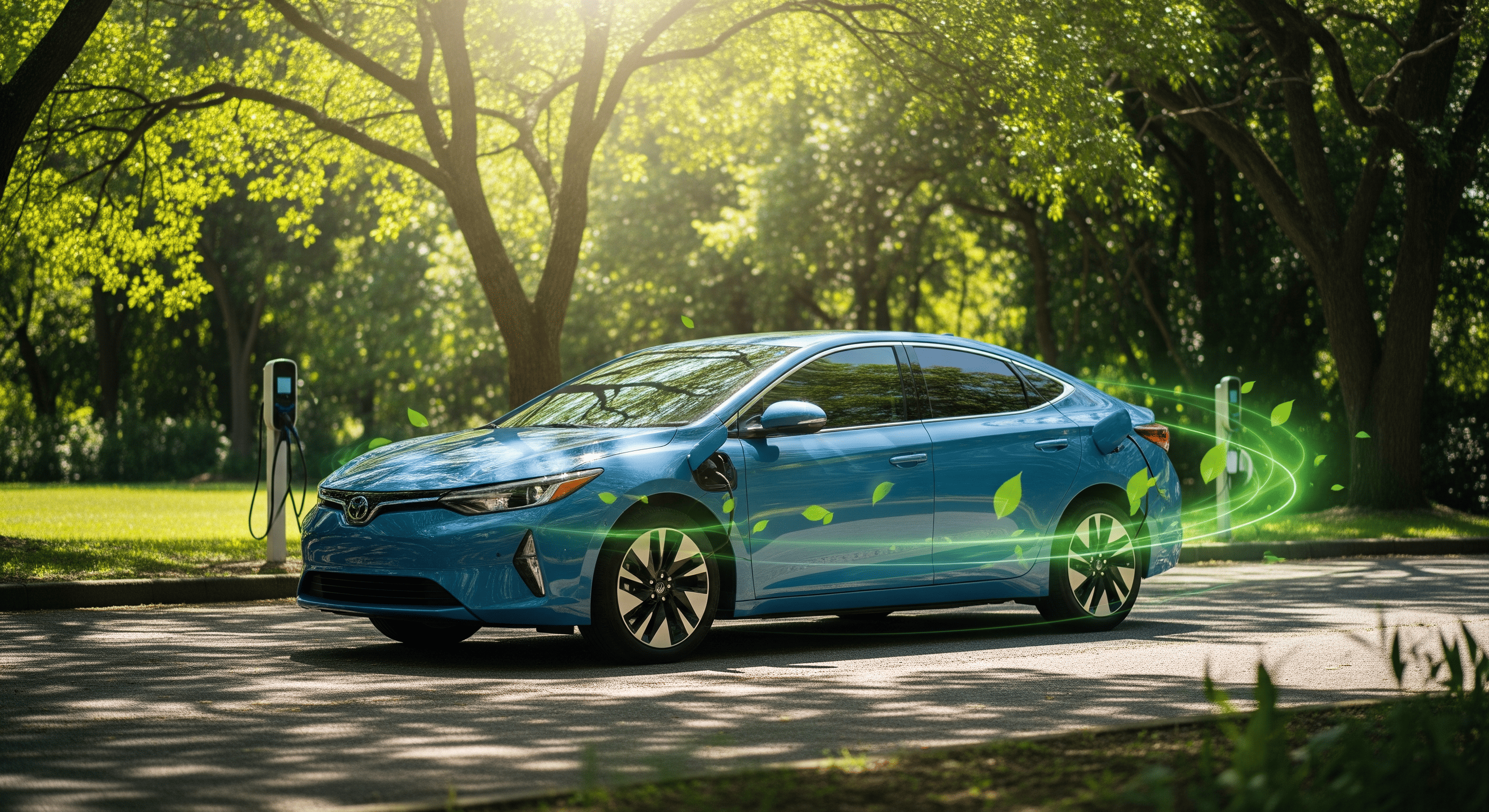
What Are the Environmental Benefits of Buying a Used Car?
Choosing to buy a used car helps reduce the demand for new car production, which is a major contributor to environmental degradation. The manufacturing process of new vehicles consumes vast amounts of resources, including raw materials and energy, leading to increased pollution. By purchasing a pre-owned vehicle, eco-conscious consumers can significantly lower their environmental impact.
Additionally, many used cars have already undergone significant depreciation, which means that the environmental cost of manufacturing a new car is avoided. This contributes to a reduction in overall carbon emissions associated with vehicle production. Hence, the environmental benefits of buying used cars extend beyond just personal savings; they also promote sustainability.
How Does Buying a Used Vehicle Save You Money?
One of the most immediate advantages of buying a used car is the financial savings. Used cars typically have lower purchase prices compared to new vehicles, allowing buyers to get more value for their money. This means that consumers can either purchase a higher-end model or save money for other essential expenses.
Furthermore, used cars have already experienced depreciation, which means that buyers avoid the steep decline in value that occurs as soon as a new car is driven off the lot. This financial advantage makes buying a used car not only a smart choice for eco-conscious consumers but also for those looking to maintain a budget.
Why Is Opting for a Used Car a Sustainable Choice?
Opting for a used car contributes to a sustainable car culture. Each used vehicle on the road represents one less new car that needs to be manufactured, thereby reducing the overall environmental impact associated with new car manufacturing. This choice encourages a cycle of reusing and recycling, which is crucial for conserving resources.
Moreover, many eco-conscious buyers are now looking towards used hybrid or electric vehicles. These options not only provide the environmental benefits of reduced emissions but also often come at a lower price point than new models. By choosing a used hybrid, consumers can enjoy the benefits of eco-friendly technology without the new car price tag.
What Are the Advantages of Buying a Used Car Over a New Car?
There are numerous advantages to purchasing a used car compared to buying a new vehicle. For starters, used cars have already proven their reliability, often backed by extensive consumer reviews and ratings. This transparency in performance allows buyers to make informed decisions.
In contrast, new cars can present uncertainties regarding reliability and performance, as they have not yet been tested by other consumers. Additionally, new car buyers often face higher insurance costs and fees compared to those purchasing used vehicles, adding to the overall expense of owning a new car.
How Does Buying a Used Car Affect Your Carbon Footprint?
The carbon footprint associated with vehicle ownership is a critical factor for eco-conscious consumers. By choosing to buy used cars, individuals can significantly decrease their carbon footprint. The manufacturing of new vehicles is resource-intensive and generates considerable greenhouse gas emissions, contributing to climate change.
When opting for a used car, consumers effectively avoid the emissions produced during the manufacturing process of a new vehicle. This choice not only benefits the individual buyer but also contributes positively to the environment by reducing the overall demand for new car production.
Are There Environmental Benefits of Buying a Used Hybrid or Electric Vehicle?
Buying a used hybrid or electric vehicle offers additional environmental benefits. These vehicles are designed to be more fuel-efficient and produce fewer emissions compared to traditional gasoline-powered cars. By purchasing a used hybrid or electric car, eco-conscious consumers can enjoy the advantages of green technology without the high cost of new models.
Moreover, the production of electric car batteries can be resource-intensive; thus, opting for a used electric vehicle helps mitigate the environmental impact associated with battery manufacturing. This choice aligns with the values of eco-conscious consumers looking for sustainable transportation solutions.
What Are the Benefits of Choosing a Used Vehicle for Your Next Car Purchase?
Choosing a used vehicle for your next car purchase comes with multiple benefits, especially for eco-conscious buyers. Beyond the financial savings and reduced environmental impact, buying a used car often means a wider selection of models and features. Buyers can access vehicles that may no longer be produced, ensuring they find the perfect fit for their needs.
Additionally, many used cars come with warranties or certified pre-owned options, providing peace of mind regarding their condition. This allows buyers to focus on the benefits of buying a used vehicle, knowing that they are making a responsible and smart choice.
How Do Used Car Dealerships Contribute to Sustainability?
Used car dealerships play a vital role in promoting sustainability within the automotive industry. By facilitating the sales of pre-owned vehicles, these dealerships help extend the life of cars on the road, which in turn reduces the demand for new car manufacturing.
Dealerships like Auto-Source of Newberry specialize in providing eco-friendly used cars that cater to the needs of eco-conscious consumers. They ensure that the vehicles are well-maintained and inspected, allowing buyers to make informed decisions while contributing to a sustainable future.
What Should You Consider When Buying a Used Car?
When buying a used car, consumers should consider several factors to ensure they make the best choice. First, researching the vehicle’s history, including previous ownership and maintenance records, is crucial. This information can provide insights into the car’s reliability and overall condition.
Additionally, buyers should assess their budget and consider the total cost of ownership, including insurance, maintenance, and fuel efficiency. Finally, visiting trusted used car dealerships like Auto-Source of Newberry can provide buyers with the confidence that they are making a smart and eco-friendly choice.
How Can Auto Loans Help You Purchase a Used Car?
Auto loans can significantly ease the financial burden associated with purchasing a used car. Many lenders offer favorable terms for used vehicle loans, making it easier for consumers to afford their next car. By securing an auto loan, buyers can spread out the cost of the vehicle over time, allowing for better financial planning.
Moreover, the lower purchase prices of used cars mean that the amount financed is typically less than that of a new car, resulting in lower monthly payments. This financial flexibility makes buying a used car even more appealing for eco-conscious consumers looking to make a sustainable choice.
Why Should Eco-Conscious Consumers Buy Used Cars?
Eco-conscious consumers should buy used cars for several compelling reasons. Firstly, the environmental benefits of buying used vehicles contribute to a sustainable future by reducing the demand for new car production and the associated emissions. Secondly, the financial advantages provide significant savings, allowing consumers to invest in other green initiatives.
Ultimately, purchasing a used car is a smart choice for those who prioritize sustainability and wish to minimize their carbon footprint. With options available at reputable used car dealerships like Auto-Source of Newberry, the process of buying a pre-owned vehicle becomes more accessible and beneficial for both the buyer and the environment.
Points to Remember while Buying a Used Car
When considering purchasing a used car, there are several important factors to keep in mind to ensure you make a smart and informed decision. First, establish your budget. Determine how much you are willing to spend, including taxes, fees, and potential repairs. This will help narrow down your options and prevent overspending.
Next, research the vehicle’s history. Obtain a vehicle history report using the car’s VIN to check for any accidents, title issues, or odometer discrepancies. This information is crucial in assessing the car’s reliability and value.
It’s vital to inspect the car thoroughly. Look for signs of wear and tear, rust, or any mechanical issues. If you’re not confident in your assessment, consider hiring a trusted mechanic to perform a pre-purchase inspection. This can help identify hidden problems that could lead to costly repairs down the line.
Test driving is a must. Pay attention to how the car drives, including its handling, braking, and comfort. This firsthand experience can reveal a lot about the vehicle’s condition and whether it meets your needs.
Lastly, don’t forget to negotiate the price. Use your research and inspection findings to make a reasonable offer. Sellers often expect some negotiation, so be prepared to discuss the price based on the car’s condition and market value.
By keeping these points in mind, you can confidently navigate the process of buying a used car and make a choice that aligns with your eco-conscious values while also being financially responsible.
Conclusion: Why Buying a Used Car is the Smart Choice for Eco-Conscious Consumers
In conclusion, buying a used car is not only a financially savvy decision but also a responsible choice for eco-conscious consumers. By opting for a pre-owned vehicle, buyers can enjoy numerous benefits while actively contributing to a more sustainable future. If you’re in the market for used cars for sale, consider visiting Auto-Source of Newberry, a trusted used car dealership in Newberry, SC, where you can find a variety of vehicles that meet your eco-friendly standards.
Frequently Asked Questions
1. What are the environmental benefits of buying a used car?
Buying a used car helps reduce the demand for new car production, which in turn lowers the carbon footprint associated with manufacturing. This makes purchasing a used vehicle a smart choice for eco-conscious consumers.
2. How does a used car reduce my environmental impact?
Opting for a used car means that you are choosing a vehicle that has already undergone the energy-intensive manufacturing process. This helps in minimizing waste and reducing the overall environmental impact compared to purchasing a new car.
3. Are there financial advantages to buying a used vehicle?
Yes, buying a used car is often a smart financial decision. Used cars typically cost less than new vehicles, and they do not depreciate as quickly, allowing eco-conscious buyers to save money while making an eco-friendly choice.
4. What should I consider when choosing a used car for sustainability?
When choosing a used vehicle, consider factors such as its fuel efficiency, emissions ratings, and whether it’s a hybrid or electric car. These aspects contribute to the environmental benefits of buying a used car and help ensure that your car purchase aligns with your eco-conscious values.
5. Why Buying a Used Car is the Smart Choice for Eco-Conscious Consumers
Purchasing a pre-owned vehicle helps to extend the lifecycle of cars that are still functional, thereby reducing the overall demand for new car manufacturing and the associated environmental costs. This makes it a sustainable choice for environmentally conscious consumers.
In today’s fast-paced financial landscape, achieving your financial goals is more crucial than ever. One of the most effective strategies to reach those objectives is by purchasing a used car. This financial move not only provides immediate savings but also long-term financial benefits. In this article, we will explore how buying a used vehicle can assist you in achieving your financial objectives and provide insights into the advantages of buying a pre-owned vehicle.

What Are the Financial Benefits of Buying a Used Car?
Buying a used car offers significant financial advantages compared to a new car. First and foremost is the purchase price; used cars typically cost much less than their new counterparts, allowing you to save money upfront. Additionally, the depreciation of a new car can be steep—losing up to 20% of its value in the first year alone. By opting for a used vehicle, you avoid this initial depreciation hit, making it a smarter financial choice.
Moreover, the financial benefits extend beyond the purchase price. For instance, used cars often come with lower insurance premiums, which can greatly assist you in managing your monthly budget. When you buy used, you can allocate those savings toward achieving your financial goals, such as building an emergency fund or saving for a future investment.
How Can a Used Car Help You Reach Your Financial Goals?
A used car can help you reach your financial goals by providing financial flexibility. With a lower purchase price and reduced insurance costs, you can maintain a healthier cash flow. This financial relief allows you to divert funds toward other priorities, like retirement savings or paying down debts. By choosing a used car, you are making a smart financial move that supports your long-term financial well-being.
Additionally, owning a used car can lead to lower total costs of ownership. Maintenance and repair costs are often predictable and can be budgeted more effectively than the unpredictable costs associated with a new vehicle. This predictability can alleviate financial stress and enable you to focus on your savings goals.
What Are the Advantages of Buying a Used Vehicle?
The advantages of buying a used vehicle extend beyond just financial savings. For one, the car market for used cars is vast, offering a wide range of options to fit different budgets and preferences. This variety means you can find a reliable vehicle that meets your needs without straining your finances.
Moreover, many used cars come with a certified pre-owned (CPO) option, which provides added peace of mind. These vehicles often undergo rigorous inspections and come with warranties, allowing you to enjoy the benefits of car ownership without the financial burden of unexpected repairs.
How Does Insurance Cost Differ for Used Cars Compared to New Cars?
Insurance costs for used cars are generally lower than those for new cars. This is primarily due to the lower market value of used vehicles. When you purchase a used vehicle, your insurance premiums decrease, contributing to your overall savings. This aspect is a crucial factor to consider when evaluating the costs associated with car ownership.
Additionally, many used cars are equipped with safety features that can lower insurance rates further. This means that by opting for a used car, you not only save on the purchase price but also on ongoing costs like insurance, which can support your financial objectives.
What Should You Consider When Financing a Used Car?
Financing a used car can be a more manageable process compared to financing a new vehicle. Lenders often offer competitive interest rates for used car loans, especially if you have a good credit score. To secure the best financing options, it’s essential to shop around and compare rates from different lenders.
When considering financing, be mindful of the loan term as well. A shorter loan term may mean higher monthly payments but less interest paid over the life of the loan. This strategy can ultimately help you achieve your financial goals faster by freeing up funds sooner for other investments.
How Can Buying a Pre-Owned Vehicle Support Your Savings Goals?
Buying a pre-owned vehicle can significantly support your savings goals. By lowering your initial investment and reducing ongoing expenses like insurance and maintenance, you can allocate more money towards savings or other financial priorities. This approach not only fosters financial stability but also encourages a disciplined saving habit.
Furthermore, the funds saved from purchasing a used car can be redirected toward building an emergency fund, investing in retirement accounts, or even saving for a down payment on a home. This flexibility is essential for achieving long-term financial health.
What Are the Long-Term Financial Advantages of Owning a Used Car?
Owning a used car can lead to long-term financial advantages that new car owners may not experience. For instance, the total cost of ownership for a used vehicle is often significantly lower over time. This includes lower depreciation rates, reduced insurance costs, and potentially lower maintenance expenses.
Additionally, as you build equity in your vehicle, you have the option to sell it for a decent amount when it’s time for an upgrade. This can provide a financial cushion for your next car purchase, further supporting your journey toward financial freedom.
How Do Used Cars Offer Financial Flexibility?
Used cars offer unparalleled financial flexibility. With lower upfront costs and ongoing expenses, you have the freedom to manage your budget more effectively. This flexibility is essential for anyone looking to reach their financial goals without compromising their lifestyle.
Moreover, owning a used car allows you to take advantage of market trends. If you decide to sell your vehicle, you can do so without facing severe financial losses due to depreciation, which is a common issue with new cars. This flexibility can be a game-changer for those pursuing financial objectives.
Why Is Choosing a Used Car a Smart Financial Move?
Choosing a used car is a smart financial move for numerous reasons. It allows you to avoid the steep depreciation that comes with new cars, providing immediate savings. Additionally, the lower purchase price and reduced insurance costs make it easier to manage your finances effectively.
Furthermore, the extensive selection of used cars enables you to find a vehicle that meets your needs without overspending. This thoughtful approach to car ownership not only supports your current financial situation but also positions you for future financial success.
Where Can You Find Quality Used Cars for Sale?
Finding quality used cars for sale is easier than ever with the rise of online platforms and local dealerships. Researching reputable used car dealerships is essential. Look for those with positive reviews and a solid reputation for customer service.
Additionally, consider visiting local dealerships like Auto-Source of Newberry. As a trusted used car dealer in Newberry, SC, they offer a wide selection of pre-owned vehicles that can assist you in achieving your financial objectives. Their knowledgeable staff can guide you through the purchasing process, ensuring you make a smart financial decision.
- Lower purchase price
- Reduced insurance premiums
- Less depreciation
- Financial flexibility
- Long-term financial advantages
In conclusion, purchasing a used car is not just a financial decision; it is a strategic move toward achieving your financial goals. With lower costs, reduced insurance premiums, and the ability to allocate funds for savings or investments, buying a used vehicle can significantly enhance your financial well-being. If you’re considering your next car purchase, visit Auto-Source of Newberry, where you can explore the many benefits of buying a used car and start on the path to financial freedom.
Newberry today to discover the benefits of buying a used car and find your dream car!
Buying a used car is an important decision for many car buyers, offering a variety of options that often surpass those available in the new car market. Understanding the advantages and benefits of purchasing a used vehicle can help you find your dream car without breaking the bank. This article explores why the used car market provides a broader selection of makes and models, enabling you to make a well-informed choice.
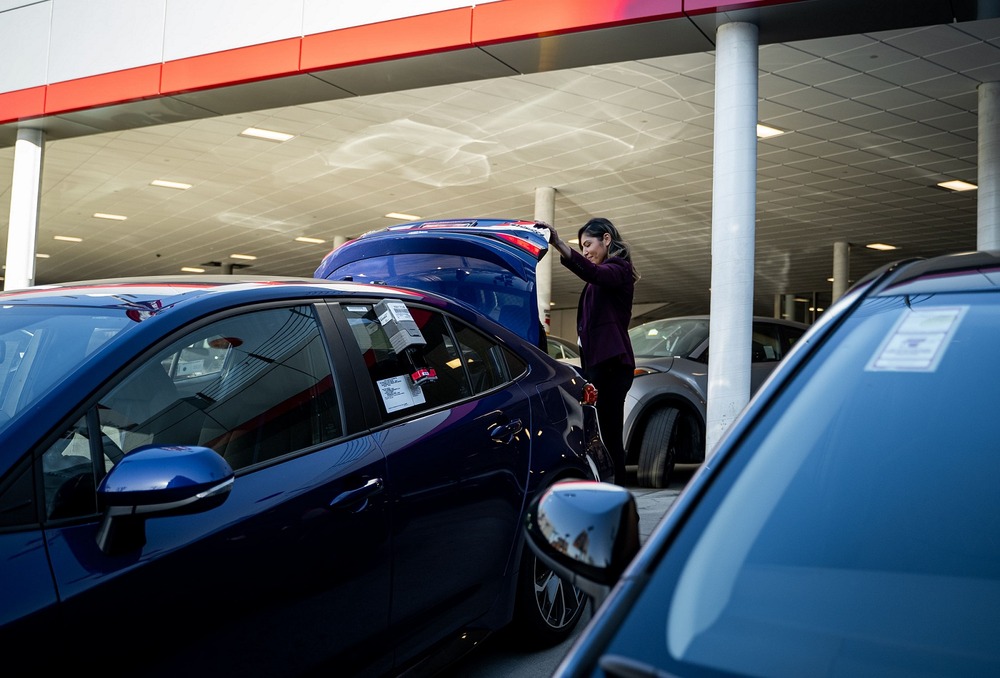
What Are the Benefits of Buying a Used Car?
The benefits of buying a used car are numerous and can significantly impact your overall car ownership experience. First, purchasing a used vehicle typically means lower initial costs compared to buying a new model. This affordability allows you to allocate your budget toward other expenses, such as insurance and maintenance. Additionally, the depreciation rate of used cars is slower than that of new cars, meaning the value of your investment remains more stable over time.
Moreover, the selection of used cars available today is vast. With a wide range of makes and models, car buyers can find options that fit their preferences for style, functionality, and performance. From luxury vehicles to economical options, the used car market offers something for everyone, making it easier to find the perfect used car that meets your needs.
How Does the Used Car Market Offer a Wider Selection?
The used car market presents a broader range of makes and models due to the sheer volume of vehicles available. Unlike the new car market, where limited stock is often determined by the latest trends and manufacturer releases, the used market encompasses a diverse array of vehicles from various years and manufacturers. This allows you to explore discontinued models that may no longer be produced, giving you access to unique vehicles that hold distinct appeal.
Additionally, used car dealerships typically have a more extensive inventory than new car dealerships, as they can source vehicles from various channels, including trade-ins and auctions. This results in a wider selection of options for car buyers, enabling you to compare different makes and models side by side.
What Are the Pros and Cons of Buying Used Cars?
When considering the pros and cons of buying a used car, it’s essential to weigh the benefits against potential downsides. One of the significant pros is the cost savings. Purchasing a used vehicle often means a lower purchase price and reduced insurance costs.
However, there are some cons of buying a used car to consider as well. The vehicle may have a higher mileage, which can lead to increased maintenance needs. It’s crucial to inspect the car thoroughly and consider obtaining a vehicle history report to understand its past and any potential issues.
What Should You Look for When Choosing a Used Car?
Choosing a used car involves careful consideration of several factors. Start by establishing your budget and researching models that fit within your financial parameters. Look for reliability ratings, reviews from previous owners, and the availability of parts for maintenance. You may also want to consider the vehicle’s fuel efficiency and resale value.
Another critical aspect is the vehicle’s history. Checking for any reported accidents, previous ownership, and service records can provide valuable insights into the car’s condition and performance. A reputable used car dealership will often provide this information, helping you to make an informed decision.
How Can You Find the Perfect Used Car?
Searching for the right used car is an important and rewarding experience. Start by narrowing down your choices based on your needs and preferences, such as size, style, and budget. Utilize online resources, local listings, and dealership inventories to explore the available options.
Don’t hesitate to visit multiple used car dealerships to compare selections and prices. Many dealerships offer certified pre-owned vehicles, which come with warranties and have undergone thorough inspections, providing extra peace of mind during your purchase.
Are There Advantages to Buying from a Used Car Dealership?
Buying from a used car dealership comes with several advantages. Dealerships often have a more extensive selection of vehicles, allowing you to explore various makes and models in one location. Additionally, many dealerships offer financing options, which can simplify the purchasing process and help you stay within your budget.
Moreover, reputable used car dealerships often provide warranties and certified pre-owned programs, ensuring that the car you purchase meets specific quality standards. This can significantly reduce the risks associated with buying a used vehicle.
What Makes the Used Car Market Attractive to Car Enthusiasts?
The used car market is especially appealing to car enthusiasts who are looking for unique models, discontinued vehicles, or classic cars. The ability to find rare makes and models that are no longer in production adds a level of excitement to the purchasing experience.
Additionally, car enthusiasts often appreciate the opportunity to customize their vehicles without the high costs associated with new cars. The used car market allows them to explore a variety of options that can be tailored to their preferences and style.
Why Should You Consider Certified Pre-Owned Vehicles?
Certified pre-owned (CPO) vehicles offer a great compromise between buying new and used. These vehicles typically undergo a rigorous inspection process and come with extended warranties, providing additional assurance of quality. Many CPO programs also include benefits such as roadside assistance and vehicle history reports, making them an attractive option for cautious buyers.
By choosing a certified pre-owned vehicle, you can enjoy the advantages of a used car while minimizing the risks associated with purchasing a vehicle with an unknown history.
How Can You Evaluate the Value of a Used Car?
Evaluating the value of a used car involves researching comparable vehicles in your area, checking online valuation tools, and considering the car’s condition, mileage, and features. Websites like Kelley Blue Book or Edmunds can provide valuable insights into what you should expect to pay for specific makes and models.
It’s also a good idea to have a trusted mechanic inspect the vehicle before finalizing your purchase. This can help you identify any potential issues and ensure that you are making a sound investment.
What Are the Key Takeaways About Buying a Used Car?
- Buying a used car provides a wider selection of makes and models compared to the new car market.
- There are significant benefits to purchasing a used vehicle, including lower costs and slower depreciation.
- Careful evaluation and research are essential when choosing a used car to ensure you make a wise investment.
- Consider certified pre-owned options for added peace of mind and assurance of quality.
- Auto-Source of Newberry, a trusted used car dealer in Newberry, SC, can help you find the perfect used car within your budget while offering a broad range of options.
In conclusion, buying a used car can open doors to a world of possibilities, allowing you to explore a diverse selection of makes and models that fit your lifestyle and budget. Whether you’re a first-time buyer or looking to upgrade your current vehicle, understanding the used car market landscape will empower you to make an informed decision. Visit Auto-Source of Newberry today to discover the benefits of buying a used car and find your dream car!
Purchasing a used car with low mileage can be a smart financial decision for many car buyers. With the rising costs of new cars, many are turning to the used car market to find quality vehicles that fit their budget. Understanding the advantages of buying a used car with low mileage not only helps in making an informed choice but also ensures you get value for your investment.

What are the Benefits of Buying a Used Car with Low Mileage?
Buying a low-mileage used car comes with numerous benefits. First and foremost, vehicles with low mileage often experience less wear and tear compared to their high-mileage counterparts. This translates to lower maintenance costs and a potentially longer lifespan for the car.
Additionally, a used car with low mileage typically holds its value better over time. Since depreciation hits new cars the hardest, purchasing a pre-owned vehicle allows you to avoid the steep initial drop in value that comes with new cars.
How Does Low Mileage Affect the Condition of the Car?
The mileage on a used car plays a crucial role in determining its overall condition. Cars with lower mileage often have fewer mechanical issues and are less likely to require extensive repairs. This is particularly important for those looking to invest in a reliable vehicle.
Moreover, a low-mileage used car generally means that the car has been driven less frequently, resulting in less wear on critical components such as the engine and transmission. This can lead to a more dependable vehicle for the buyer.
Are Low-Mileage Used Cars More Reliable?
Reliability is a key factor for many car buyers, and low-mileage used cars often score higher in this category. With fewer miles on the odometer, these vehicles are usually in better mechanical condition, which can translate into fewer breakdowns and issues over time.
Moreover, many manufacturers offer warranties on used cars, especially those that are still relatively new. This added peace of mind can make purchasing a low-mileage used car even more appealing.
What Should You Look for When Buying a Low Mileage Used Car?
When shopping for a low-mileage used car, it’s important to do thorough research. Look for quality used cars from reputable dealerships or private sellers. Check the vehicle history report to ensure the car has not been in any major accidents or suffered from flood damage.
You might also want to have the vehicle thoroughly inspected by a trusted mechanic. They can provide insights into the condition of the car and whether the mileage seems unusually low for its age.
How Can Low Mileage Impact Insurance Costs?
Insurance rates can vary significantly based on the mileage of your vehicle. Generally, a low-mileage used car may qualify for lower insurance premiums, as insurers often view these vehicles as less risky due to their better condition.
Additionally, some insurance companies offer discounts for vehicles with lower mileage, further reducing your overall cost of ownership. Be sure to shop around and compare quotes when considering a low-mileage used car.
Is It Worth Buying a Newer Used Car with Low Mileage?
Opting for a newer used car with low mileage can be a wise investment. These vehicles often come with modern features and technology while still being significantly cheaper than their new counterparts. The advantages of buying a used car include the reduced depreciation that occurs once the car is driven off the lot.
Newer used cars typically have better fuel efficiency and updated safety features, making them a great choice for those looking to balance cost and quality.
What Are the Risks of Buying a High Mileage Car?
High-mileage cars can present several risks to potential buyers. As mileage increases, so does the likelihood of mechanical issues. Cars with high mileage may require more frequent repairs, leading to higher overall maintenance costs.
Furthermore, high-mileage vehicles often have less resale value, which can be a disadvantage if you plan to sell or trade in the car in the future. It’s essential to weigh these risks against the benefits of purchasing a used car with low mileage.
How to Negotiate the Price of a Low Mileage Used Car?
Negotiating the price of a low-mileage used car can be a rewarding experience. Start by doing your homework on the market value of the specific model you are interested in. Websites like Kelley Blue Book can provide valuable insights into fair pricing.
When you visit a dealership or meet with a seller, be prepared to discuss the vehicle’s condition and any comparable sales. Highlighting the advantages of buying a used car with low mileage can strengthen your position in negotiations.
What Financing Options Are Available for Low Mileage Used Cars?
Financing a low-mileage used car can be easier than securing a loan for a new car. Many banks and credit unions offer competitive rates for used vehicle loans. Additionally, some dealerships provide financing options specifically for used cars, which can simplify the process.
Compare interest rates and loan terms to ensure you get the best deal possible. A low mileage used car often qualifies for better financing options, making your purchase more affordable.
Where Can You Find Quality Low Mileage Used Cars?
Finding quality used cars with low mileage can be done through various channels. Online platforms like AutoTrader and Cars.com provide extensive listings, allowing you to filter by mileage, price, and location.
Local dealerships, such as Auto-Source of Newberry, specialize in used cars with low mileage and can offer a range of options. Visiting these dealerships allows you to see the car in person and ask questions directly.
- Lower maintenance costs
- Less wear and tear
- Better resale value
- Increased reliability
- Potentially lower insurance premiums
5 Surprising Facts About the Advantages of Buying a Used Car with Low Mileage
- Lower Depreciation: Used cars with low mileage experience slower depreciation rates compared to new cars, allowing you to retain more value over time.
- Better Reliability: Many low-mileage used cars are still under warranty, providing peace of mind and reducing potential repair costs.
- Affordability: You can often find a high-quality used car with low mileage at a significantly reduced price compared to its new counterpart.
- More Choices: The market for low-mileage used cars offers a wider variety of makes and models, giving buyers more options to choose from.
- Insurance Savings: Insurance premiums for used cars are generally lower, which can lead to substantial savings over time.
Conclusion:
The advantages of buying a used car with low mileage are numerous. From lower costs to better reliability, it’s a decision that can lead to significant long-term benefits. For those in search of a low mileage used car, consider visiting Auto-Source of Newberry, a trusted used car dealership in Newberry, SC. They offer a variety of options that cater to your needs and budget.
In today’s economy, making informed financial decisions is crucial, especially for budget-conscious buyers. Opting for a used car can be a more viable option compared to purchasing a new vehicle. This blog post explores the various reasons why buying a used car can be a better choice, taking into account factors such as depreciation, insurance costs, and overall value.
What Are the Financial Benefits of Buying a Used Car?
One of the primary advantages of buying a used car is the significant financial savings. New cars lose value rapidly—with most dropping around 20 % by the end of the first year. In contrast, pre-owned vehicles have already undergone this initial depreciation, allowing buyers to purchase a quality used car at a lower price. This financial benefit is especially appealing to those on a tight budget.
Additionally, insurance premiums for used cars are typically lower than those for new vehicles. This means that budget-conscious buyers can save money not only on the initial purchase but also on ongoing insurance costs. Overall, these financial advantages make used cars a smart choice for anyone looking to save money while still getting a reliable vehicle.
How Does Depreciation Affect the Value of Used Cars?
Depreciation is a significant factor to consider when deciding whether to buy a used or new car. New vehicles depreciate rapidly, meaning they lose value much faster than pre-owned vehicles. For budget-conscious buyers, opting for a used car means that they can avoid the steep depreciation curve associated with new cars. Many used cars retain their value better than new cars, making them a better option for those looking to maximize their investment.
The lower rate of depreciation in used cars also means that buyers can often sell their pre-owned vehicles later for a price closer to what they paid. This aspect is crucial for anyone looking to make a smart financial decision regarding their car purchase.
What Are the Advantages of Buying Certified Pre-Owned Vehicles?
Certified pre-owned (CPO) vehicles offer an excellent middle ground for buyers who want the benefits of a new car without the hefty price tag. These vehicles are usually newer models that have undergone rigorous inspections and come with extended warranties. The peace of mind that comes with a certified pre-owned vehicle is invaluable for budget-conscious buyers.
Moreover, certified pre-owned vehicles often come with perks such as roadside assistance and vehicle history reports, further enhancing their value. This makes them an attractive option for those who want reliability and quality without breaking the bank.
How Do Insurance Costs Compare Between New and Used Cars?
Insurance costs can significantly impact a buyer’s overall expenses related to car ownership. Generally, insurance premiums for used cars are lower than those for new vehicles. This is primarily due to the lower market value of used cars, which reduces the potential payout for insurance companies in case of a claim.
For budget-conscious buyers, the difference in insurance costs can be substantial. By choosing a used car, buyers can allocate more of their budget to other essential expenses, making it a smarter financial decision overall.
What Should You Consider Regarding the Condition of a Used Car?
When buying a used car, one of the most critical factors to consider is the condition of the vehicle. It’s essential to conduct thorough research and possibly have the car inspected by a trusted mechanic. Many used cars offer great reliability, but buyers should be aware of any potential issues that could arise.
Additionally, purchasing from a reputable dealership can ensure that the used vehicle has been well-maintained. Many dealerships provide detailed service records, which can give buyers peace of mind regarding their pre-owned car’s condition.
Are There Any Hidden Costs When Buying a Used Car?
While buying a used car can save money, it’s essential to be aware of potential hidden costs. Registration fees and taxes can add to the overall price of the used vehicle. Additionally, buyers should consider future maintenance costs, which can vary depending on the make and model of the car.
However, these costs are often lower than those associated with new cars, making used cars still a better option for budget-conscious buyers. Understanding these potential expenses can help buyers make an informed decision.
What Role Does Reliability Play in Choosing a Used Vehicle?
Reliability is a significant concern for any car buyer, especially for those on a budget. Many used cars have proven track records of reliability, often outperforming new models in terms of longevity. Buyers should research the specific makes and models they are considering to ensure they are choosing a reliable pre-owned vehicle.
Online reviews and reliability ratings can provide valuable insights into which used vehicles offer the best performance over time. By focusing on reliable options, budget-conscious buyers can make a smart choice that serves them well for years to come.
How Do Used Cars Offer More Variety Than New Cars?
The used car market offers a vast array of choices, often more than what is available in the new car segment. Buyers can find various models, makes, and features that may no longer be available in new vehicles. This diversity allows budget-conscious buyers to find a car that fits their needs without sacrificing quality or features.
Furthermore, many used cars come with premium features that may be out of reach in a new model due to budget constraints. This variety and accessibility make used cars an attractive option for those looking for specific features or styles.
What Are the Long-Term Benefits of Buying a Used Car?
Buying a used car can lead to numerous long-term benefits. The initial lower price means that buyers can often pay off their loans more quickly, reducing overall interest paid. Additionally, many used cars can serve their owners well for years, leading to significant savings over time compared to purchasing a new vehicle.
Furthermore, by avoiding the rapid depreciation associated with new cars, buyers can maintain better equity in their vehicles. This long-term financial advantage makes buying used a smart approach for anyone looking to make a wise investment.
Is Buying a Used Car a Smart Choice for Your Needs?
Ultimately, whether you’re considering a compact car or a larger vehicle, buying a used car can be a smart choice. With lower costs, reduced insurance premiums, and a variety of options available, used cars are often the best solution for budget-conscious buyers.
When researching your options, consider visiting a reputable dealership like Auto-Source of Newberry. They offer quality used cars in Newberry, SC, ensuring that every budget-conscious buyer can find the perfect vehicle to meet their needs.
- Lower initial costs compared to new vehicles
- Reduced insurance premiums
- Less depreciation over time
- Access to certified pre-owned options for peace of mind
- A wide variety of choices available
- Long-term financial benefits
In conclusion, purchasing a used car is often a better option for budget-conscious buyers. With the benefits of buying a used vehicle clearly outlined, it’s easy to see why so many car buyers are opting for pre-owned vehicles. Whether you’re looking for reliability, financial savings, or a variety of choices, the used car market offers something for everyone. Explore your options at Auto-Source of Newberry, your trusted used car dealer in Newberry, SC.
When it comes to purchasing a vehicle, potential car buyers often find themselves torn between buying from a used car dealer or a private owner. Each option presents unique benefits and challenges, making it crucial to understand their differences. This article aims to provide you with comprehensive insights into buying a used car, whether it’s from a dealership or a private seller, helping you make an informed decision that aligns with your needs and preferences.
What Should You Know When Buying a Used Car from a Private Seller?
How to Ensure a Safe Private Sale?
Purchasing a car from a private seller can be rewarding, but it’s important to ensure the transaction is safe. Start by researching the market to understand used car prices for the specific model you are interested in. This information will give you the confidence to negotiate the purchase price effectively. Arrange to meet the seller in a public place during daylight hours to ensure your safety. Always ask the seller about the vehicle’s history and maintenance records, and don’t hesitate to request additional information about the car. Finally, conducting a thorough inspection of the car can help identify any potential issues before committing to the purchase.
What Documents Do You Need for a Car from a Private Seller?
When you decide to buy a car from a private seller, it’s crucial to gather the necessary documents to ensure a smooth transaction. The essential documents include the vehicle history report, which provides vital information about the car’s past, including any accidents or title issues. Additionally, you will need the car’s title, which proves ownership and must be signed over to you upon purchase. A bill of sale is also important, serving as a legal record of the transaction. Make sure that both you and the seller keep copies of these documents for your records.
Can You Trust a Private Owner When Buying a Car Privately?
Trusting a private owner when buying a car privately can be a daunting task, as there are no formal assurances like those provided by a dealership. To build trust, consider asking the seller questions about the vehicle’s history, maintenance, and reason for selling. Meeting the seller in person and observing their demeanor can also provide insights into their honesty. Performing a background check on the car’s VIN can further enhance your peace of mind. Ultimately, trusting your instincts and conducting thorough research are vital steps in ensuring a positive purchasing experience.
What Benefits Come with Buying a Used Car from a Dealer?
What Services Do Dealerships Offer for Used Cars?
Buying from a dealer offers numerous advantages that can simplify the car-buying process. Car dealerships often provide a range of services, including financing options, warranties, and certified pre-owned vehicles that undergo rigorous inspections. Many dealers also offer trade-in options, allowing you to assess the value of your current vehicle as part of the purchase process. Additionally, dealerships typically have a larger inventory, giving you a wider selection to choose from when looking to buy a used car.
What is the Importance of Vehicle History Reports from Dealers?
One significant benefit of purchasing a used car from a dealer is the availability of vehicle history reports. These reports provide crucial information about the car’s past, including previous accidents, service records, and title history. A reputable dealer will present you with this information upfront, allowing you to make an informed decision regarding the vehicle’s condition. This transparency is essential, as it reduces the risk of unexpected issues after your purchase from a dealership.
How to Negotiate the Purchase Price at a Dealership?
Negotiating the purchase price at a dealership can be a straightforward process if you come prepared. Research comparable vehicles to understand the fair market price and establish a budget for your used vehicle purchase. When you approach the dealer, express interest in the specific car while remaining open to discussing other options. Be polite but assertive during negotiations, and don’t be afraid to walk away if the deal doesn’t meet your expectations. Remember, many dealers may be willing to lower the price or provide additional perks to finalize the sale.
How Does Buying from a Dealer Compare to Buying a Car Privately?
What Are the Key Differences Between Dealer and Private Sales?
The key differences between dealer and private sales largely revolve around convenience, trust, and services offered. When buying a car from a dealer, you benefit from a structured environment, access to warranties, and comprehensive customer service. In contrast, purchasing a car privately often involves more direct negotiations and potential risks, as private sellers may not provide the same level of accountability. Ultimately, the choice between a dealer or a private seller often depends on your personal preferences and comfort level with the buying process.
Which Option Offers Better Car Insurance Rates?
When it comes to car insurance rates, buying from a dealer can often lead to more favorable terms. Many insurance companies may offer discounts for vehicles purchased from a dealership due to their certified status and thorough inspections. However, policies can vary, and it’s advisable to shop around for quotes, whether you are considering a private-party car or a dealer vehicle. Understanding insurance implications can help you budget more effectively for your new car purchase.
How to Decide Between a Dealer vs a Private Seller?
Deciding between a dealer and a private seller involves weighing several factors. Consider your budget, the desired level of convenience, and how much time you can invest in the buying process. If you prefer a hassle-free experience with added benefits like warranties, then buying from a dealer may be the best option. Conversely, if you are comfortable navigating negotiations and conducting thorough inspections, purchasing from a private owner may yield better deals. Ultimately, your decision should align with your comfort level and financial goals.
What Should You Inspect When Buying a Used Car from a Dealer?
How to Conduct a Thorough Vehicle Inspection?
When purchasing a used car from a dealer, it’s essential to perform a detailed inspection to confirm the vehicle’s condition is top-notch. Begin by examining the exterior for rust, dents, or uneven paint that could suggest previous damage. Inspect the tires for wear, and ensure they match in brand and tread depth. Under the hood, examine fluid levels and the condition of belts and hoses. If possible, bring along a trusted mechanic to assess the vehicle’s overall health, as their expertise can help identify hidden issues.
What to Look for During a Test Drive?
Going for a test drive is an essential part of buying a car. During this time, pay attention to how the vehicle handles and responds to acceleration and braking. Listen for any unusual noises that may indicate underlying problems. Test the car’s features, including the air conditioning, lights, and infotainment system, ensuring everything operates smoothly. A thorough test drive will provide you with invaluable information about the car’s performance and help you feel confident in your purchasing decision.
How Important is the Vehicle Identification Number (VIN)?
The Vehicle Identification Number (VIN) plays a crucial role when purchasing a used car. This unique code provides detailed information about the vehicle’s history and specifications. Always verify the VIN before finalizing your purchase; discrepancies between the VIN on the car and the documentation can indicate potential fraud. Use the VIN to obtain a vehicle history report, which can reveal valuable insights into past ownership, accidents, and any outstanding recalls. Knowing the importance of the VIN can protect you from problems down the road.
What Are Common Pitfalls to Avoid When Buying a Used Vehicle?
What Are the Risks of Buying a Used Car from a Private Owner?
While buying a used car from a private owner can offer financial benefits, it also comes with inherent risks. One major concern is the lack of warranty, meaning any repairs after the sale fall solely on you. Additionally, private sellers might not disclose hidden issues or past accidents, leading to future expenses. To mitigate these risks, always conduct a vehicle history report and have the car inspected by a professional before finalizing your purchase.
How to Identify Red Flags When Purchasing from a Dealer?
Even when buying from a dealer, it’s crucial to remain vigilant for red flags that could indicate potential problems. Watch for high-pressure sales tactics or reluctance to provide documentation, such as the vehicle history report. If an offer appears too good to be true, it likely is—be wary of prices that seem unusually low. Trust your instincts; if something feels off during the transaction, don’t hesitate to walk away and continue your search elsewhere.
What Should You Know About Car Loans for Used Cars?
When considering a car loan for used cars, it’s essential to understand your financing options. Many dealerships offer financing plans, but it’s wise to shop around for competitive interest rates from banks or credit unions. Make sure you clearly understand all loan terms before signing, including the total repayment and any associated fees. By being informed about car loans, you can make a more responsible financial decision when purchasing your used vehicle.
Conclusion:
In conclusion, whether you’re buying from a dealership or a private seller, it’s essential to inspect the car thoroughly before making a decision. Test driving the car not only allows you to drive the car but also helps you understand how it fits into your lifestyle.
When exploring the used car market, consider the pros and cons of buying privately versus from a dealer. While private sellers may offer lower prices, dealerships provide vehicle history and financing options that can make the process smoother.
At Auto-Source of Newberry, we pride ourselves on being a top-notch used car dealer in Newberry, SC, with a large inventory of new and used vehicles. Our competitive car sales and easy auto financing make it simple to buy a vehicle you love. Contact us today to find a car that fits your needs!
Remember, when you buy a vehicle, you’re not just making a transaction; you’re investing in your future. Don’t hesitate to reach out and let us help you buy and sell cars seamlessly!